In 1980, John Boswell published “Christianity, Social Tolerance and Homosexuality”. It was considered a groundbreaking work in the history of homosexuality. It argued that male/male eroticism was not condemned, but was even celebrated, until the later Middle Ages (around the 13th century). Boswell’s view had many critics who argued that homosexuality as an awareness of sexual love did not exist until the 19th century. Sex between men prior to the medieval period was primary about acculturation and dominance, much as in the time of the ancient Greeks.
Vernarde pointed out the differences in the view of homosexuality in other cultures; a view which differs strongly from our typical Western viewpoint. For example, in Africa, homosexuals were considered better off in the safety of their villages rather than in the big cities. In their villages, they were protected and known. Here, the view is opposite as homosexuals flee small towns where they may be “found out” and seek the safety of anonymity of the big cities. In Africa, homosexuality was also considered a gift, contrary to the view here that it is not “the norm” and something that needs to “be fixed”.
Vernarde examined 3 cases from 11th century France, Robert of Arbrissel (1045 – 1116), Marbode of Rennes (1035 – 1123), and Baudri of Bourgeil (1046 – 1130). Sexual desire and expression were important for medieval people. He explored the ideas of categorization, self-location, and “groupness”/commonality in the cases of these 3 individuals.
Robert of Arbrissel was the product of a clerical marriage. He was born in Brittany in 1045 and became a parish priest. In the late 1080’s, he returned home from Paris to become an arch-priest. Around this time, Robert began to practice bodily self denial and in 1095, he went into seclusion and became a hermit. Robert had many followers, (both men and women) and he formed a canon house in 1096 known as the monastery of La Roe. In 1096, Robert was asked to preach for the First Crusade, but there are no records that he preached. In 1101, Robert founded the monastery of Fontevrault where male and female devotees lived under the supervision of two women. Robert was made famous for his pastoral care of both men and women and was considered an eccentric in penitential practice.
Marbode of Rennes, was born in 1035 and was a staunch critic of Robertof Arbrissel. In 1098, he wrote a letter to Robert; it was a harsh indictment accusing Robert of courting sexual scandal whereever he went. Marbode thought it was dangerous to settle men and women together and considered Robert’s actions highly irresponsible. Robert was a champion of female spirituality and Marbode was a misogynist who felt women should be separated from men and that a canon should remain a canon unless otherwise summoned.
Vernarde suggested Marbode had another reason for his criticism that stemmed from a personal agenda. Marbode wrote a lot of erotic poetry and love lyrics that focused male sexuality, morality and homosexual desires. Boswell surmised that Marbode was the ‘first gay poet’.
Baudri wrote sexual poetry as well as a biography of his friend, Robert of Arbrissel. Baudri did not really hint at Robert’s scandals or past sexual history the way Marbode did. Baudri visibly tries to erase gender and sexuality by creating a point by point refutation of Marbode’s letter. Robert wanted to explore his youthful sexual activity by coming close to it and then forcibly stopping himself from going further; a form of bodily self-denial.
In 1050, the reformer monk, Peter Damian (1007 – 1072), invented the term “sodomy”. This transformed theact of sodomy into the identity of a person performing the act and paved the way for homosexuality to describe an identity. Until this point, “sodomy” was a term simply denoting the act. Everyone knew the story and sin of Sodom but there was no official term for it as blasphemy, i.e., “Sodomites”, until Damian created this category for the behaviour in this story.
Vernarde suggested that Medievalists focus on examining debates and contexts and stop trying to label and categorize everything. These 3 men were not labelled as gay, or straight during their lifetime. The emergence of an urban male gay culture did not formally arise until the 11th and 12th centuries according to Boswell.
Dante mentions homosexual poets in the Inferno but Vernarde argued that Dante wasn’t categorizing the poets as “homosexual” per se, but mentioning them as people engaged in the act of sodomy. It didn’t categorize their identity as homosexual which is why they still end up going to heaven in the book.
The idea of the act as separate from identity was prevalent in the Middle Agess. In fact, there was the idea that if you performed the act enough, you stop becoming “it” by erasing gender and sexuality as a category. “You don’t need a word for a thing for a thing to exist”, Vernade stated. He cited the example of the “nuclear family”. The concept of this existed in the Middle Ages with no formal word for it and the term “familia” actually means “household” and encompassed everyone in that house including the servants. Just because the term didn’t exist did not mean that the thing was not occurring or not implicitly understood.

Vagantes Conference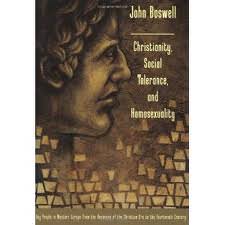
Bruce Vernarde (Pitt U)
“Salvation, Sex, and Subjectivity”
In 1980, John Boswell published “Christianity, Social Tolerance and Homosexuality”. It was considered a groundbreaking work in the history of homosexuality. It argued that male/male eroticism was not condemned, but was even celebrated, until the later Middle Ages (around the 13th century). Boswell’s view had many critics who argued that homosexuality as an awareness of sexual love did not exist until the 19th century. Sex between men prior to the medieval period was primary about acculturation and dominance, much as in the time of the ancient Greeks.
Vernarde pointed out the differences in the view of homosexuality in other cultures; a view which differs strongly from our typical Western viewpoint. For example, in Africa, homosexuals were considered better off in the safety of their villages rather than in the big cities. In their villages, they were protected and known. Here, the view is opposite as homosexuals flee small towns where they may be “found out” and seek the safety of anonymity of the big cities. In Africa, homosexuality was also considered a gift, contrary to the view here that it is not “the norm” and something that needs to “be fixed”.
Vernarde examined 3 cases from 11th century France, Robert of Arbrissel (1045 – 1116), Marbode of Rennes (1035 – 1123), and Baudri of Bourgeil (1046 – 1130). Sexual desire and expression were important for medieval people. He explored the ideas of categorization, self-location, and “groupness”/commonality in the cases of these 3 individuals.
Robert of Arbrissel was the product of a clerical marriage. He was born in Brittany in 1045 and became a parish priest. In the late 1080’s, he returned home from Paris to become an arch-priest. Around this time, Robert began to practice bodily self denial and in 1095, he went into seclusion and became a hermit. Robert had many followers, (both men and women) and he formed a canon house in 1096 known as the monastery of La Roe. In 1096, Robert was asked to preach for the First Crusade, but there are no records that he preached. In 1101, Robert founded the monastery of Fontevrault where male and female devotees lived under the supervision of two women. Robert was made famous for his pastoral care of both men and women and was considered an eccentric in penitential practice.
Marbode of Rennes, was born in 1035 and was a staunch critic of Robertof Arbrissel. In 1098, he wrote a letter to Robert; it was a harsh indictment accusing Robert of courting sexual scandal whereever he went. Marbode thought it was dangerous to settle men and women together and considered Robert’s actions highly irresponsible. Robert was a champion of female spirituality and Marbode was a misogynist who felt women should be separated from men and that a canon should remain a canon unless otherwise summoned.
Vernarde suggested Marbode had another reason for his criticism that stemmed from a personal agenda. Marbode wrote a lot of erotic poetry and love lyrics that focused male sexuality, morality and homosexual desires. Boswell surmised that Marbode was the ‘first gay poet’.
Baudri wrote sexual poetry as well as a biography of his friend, Robert of Arbrissel. Baudri did not really hint at Robert’s scandals or past sexual history the way Marbode did. Baudri visibly tries to erase gender and sexuality by creating a point by point refutation of Marbode’s letter. Robert wanted to explore his youthful sexual activity by coming close to it and then forcibly stopping himself from going further; a form of bodily self-denial.
In 1050, the reformer monk, Peter Damian (1007 – 1072), invented the term “sodomy”. This transformed the act of sodomy into the identity of a person performing the act and paved the way for homosexuality to describe an identity. Until this point, “sodomy” was a term simply denoting the act. Everyone knew the story and sin of Sodom but there was no official term for it as blasphemy, i.e., “Sodomites”, until Damian created this category for the behaviour in this story.
Vernarde suggested that Medievalists focus on examining debates and contexts and stop trying to label and categorize everything. These 3 men were not labelled as gay, or straight during their lifetime. The emergence of an urban male gay culture did not formally arise until the 11th and 12th centuries according to Boswell.
Dante mentions homosexual poets in the Inferno but Vernarde argued that Dante wasn’t categorizing the poets as “homosexual” per se, but mentioning them as people engaged in the act of sodomy. It didn’t categorize their identity as homosexual which is why they still end up going to heaven in the book.
The idea of the act as separate from identity was prevalent in the Middle Agess. In fact, there was the idea that if you performed the act enough, you stop becoming “it” by erasing gender and sexuality as a category. “You don’t need a word for a thing for a thing to exist”, Vernade stated. He cited the example of the “nuclear family”. The concept of this existed in the Middle Ages with no formal word for it and the term “familia” actually means “household” and encompassed everyone in that house including the servants. Just because the term didn’t exist did not mean that the thing was not occurring or not implicitly understood.
Subscribe to Medievalverse
Related Posts