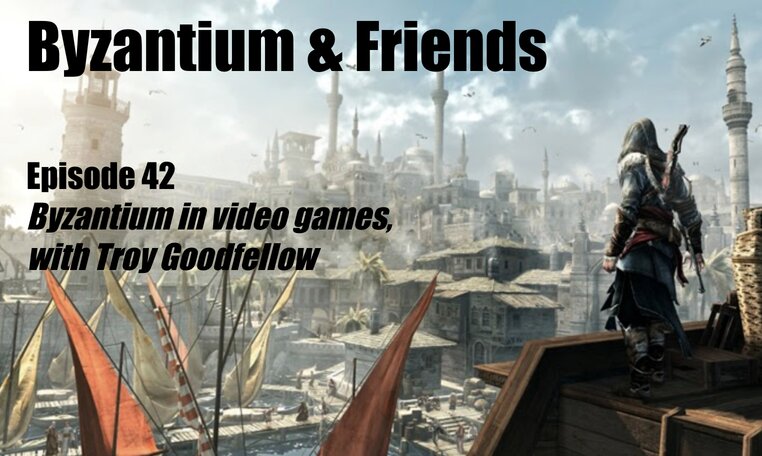
Byzantium in video games, with Troy Goodfellow
A conversation with Troy Goodfellow on how Byzantium and other premodern civilizations are represented in video games, and how the mechanics of the games structure those representations, player’s goals, and the dynamics of historical change.
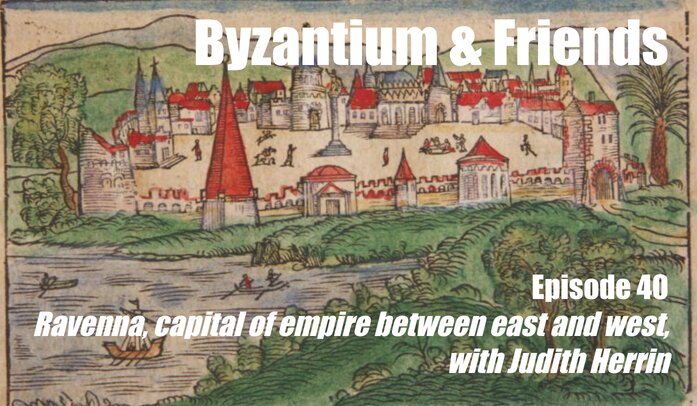
Ravenna, capital of empire between east and west, with Judith Herrin
A conversation with Judith Herrin about the fascinating history of Ravenna between 400 and 800 AD.

Byzantine tales of horror and the macabre
An anthology of Byzantine tales of horror. Learn about foul murders, demonic visitations, the undead, and the criminally insane; also, the Byzantine science of demonology and the spirit world.

The monastic experience, with Alice-Mary Talbot
A conversation with Alice-Mary Talbot on the experience of communal monastic life in Byzantium, ranging from its organization and rules to its religious goals, engagement with society, and differences between monasteries for men and women.
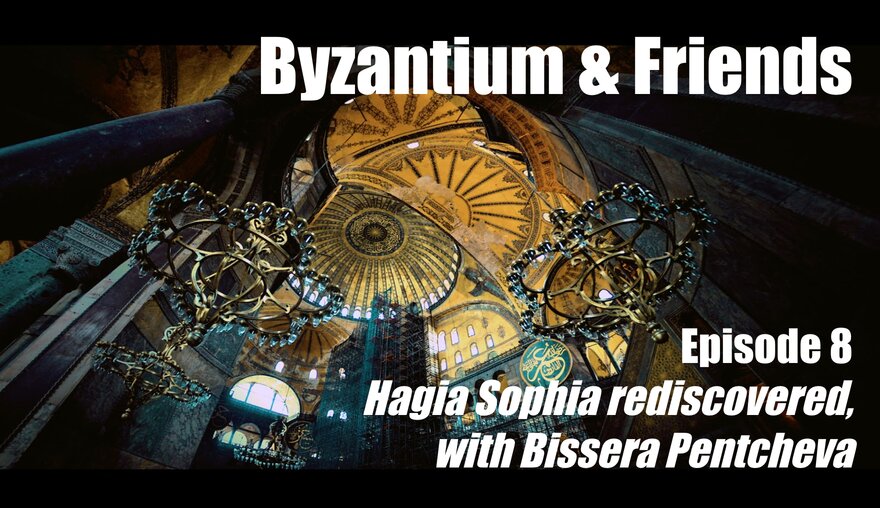
Hagia Sophia rediscovered, with Bissera Pentcheva
A conversation with Bissera Pentcheva about the sensory and spiritual experience of Hagia Sophia, where architecture, sound, and light met theology and prayer, based on her book Hagia Sophia: Sound, Space, and Spirit in Byzantium.
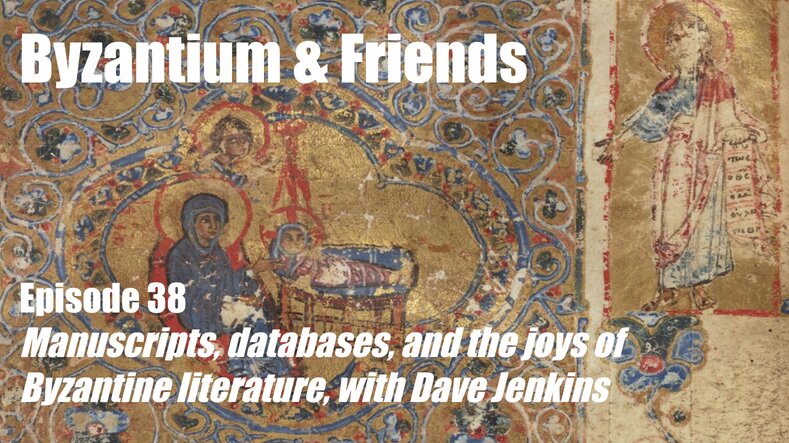
Manuscripts, databases, and the joys of Byzantine literature, with Dave Jenkins
A conversation with Dave Jenkins about how we read (and how to enjoy) Byzantine literature, from digitized manuscripts and online databases to the pleasures of Byzantine prose.
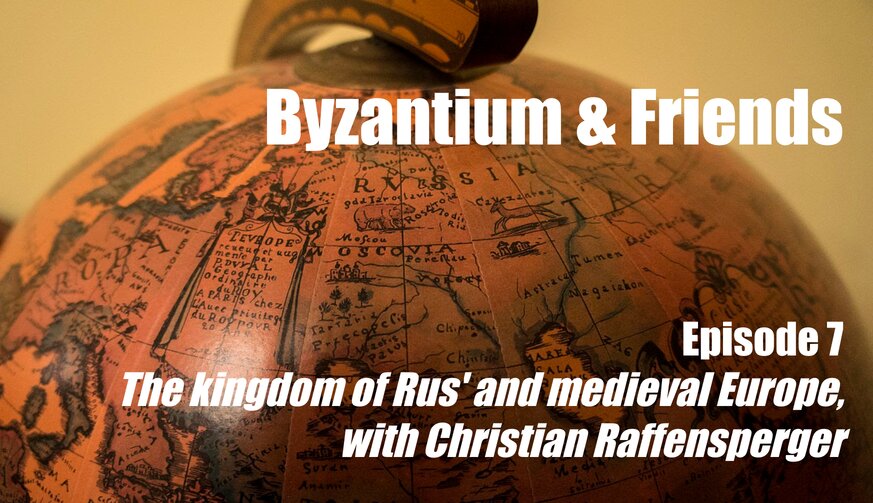
The kingdom of Rus’ and medieval Europe, with Christian Raffensperger
A conversation with Christian Raffensperger about the kingdom of Rus’ and our concept of “medieval Europe,” its potential and current limitations, based on his book The Kingdom of Rus’.

The study of Byzantine skeletons, with Chryssa Bourbou
A conversation with Chryssa Bourbou on what we learn from health and society in Byzantium from the study of skeletal remains.
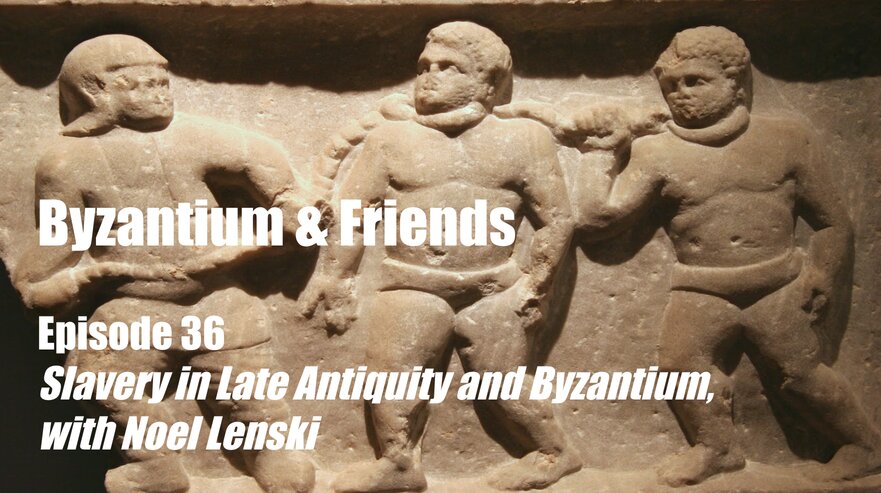
Slavery in Late Antiquity and Byzantium, with Noel Lenski
A conversation with Noel Lenski on “slave societies” and how the institution of slavery changed in Late Antiquity and Byzantium. Were tasks performed by slaves in antiquity carried out by free people in Late Antiquity? What were the experiences of Byzantines who were themselves captured in raids and taken outside the empire?

Armenian Art, with Christina Maranci
A conversation about Armenian art – ancient and Christian – with Christina Maranci, based on her book The Art of Armenia: An Introduction.

Theophano: A Byzantine Tale, with Spyros Theocharis and Chrysa Sakel
A conversation with Spyros Theocharis and Chrysa Sakel, artists and creators of a graphic novel about a tenth-century Byzantine empress, Theophano: A Byzantine Tale.
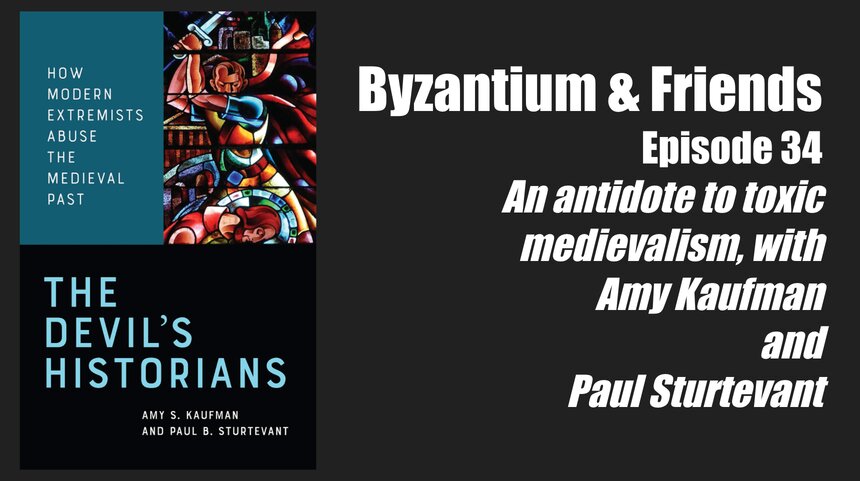
An antidote to toxic medievalism, with Amy Kaufman and Paul Sturtevant
A conversation with Amy Kaufman and Paul Sturtevant about their book The Devil’s Historians: How Modern Extremists Abuse the Medieval Past.

Western Fantasies about Byzantium, with Elena Boeck
A conversation about western fantasies, orientalism, and the making of Byzantium, with Elena Boeck
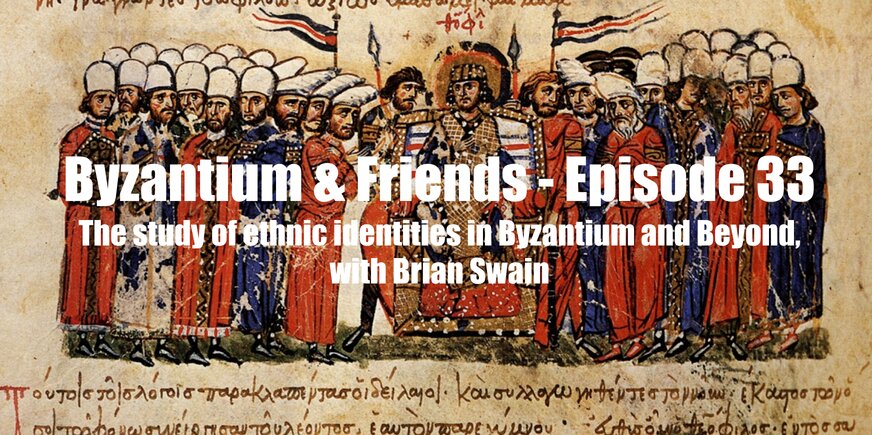
The study of ethnic identities in Byzantium and beyond, with Brian Swain
This episode tackles listeners’ questions about Byzantine ethnic identities. How do groups within the Byzantine Empire change their identities? How are new identities born and old ones lost? How did the ancient Greeks become Romans and when did that become an ethnic identity? Where does genealogy and biology fit into all this? What happened to the Romans of the west? What did the Byzantines call their state and language? What does modern Romania have to do with Byzantine Romanía?

Environmental History and the Fall of Rome, with Kristina Sessa
Kristina Sessa discusses non-human causes of change – like climate and disease – that are being emphasized more than ever in the history of Late Antiquity and Early Byzantium.

Anastasius the Librarian, the greatest enemy of Byzantium you probably haven’t heard of, with Réka Forrai
Meet Anastasius the Librarian, one of the most fascinating controversialists of the ninth century. A native of Rome, scholar of Greek, and (probably) anti-pope for all of three days, he was no friend of Byzantium. He disliked and mistrusted “the Greeks” and argued that they were not Romans as they thought. His arguments have held sway in the west ever since.

The Colonial Fourth Crusade, with George Demacopoulos
Was the Fourth Crusade an act of colonialism? This episode of Byzantium & Friends features an interview with George Demacopoulos, author of Colonizing Christianity: Greek and Latin Religious Identity in the Era of the Fourth Crusade.

Ethnicity and empire in China and Byzantium, with Shao-yun Yang and Ying Zhang
How do imperial societies talk about barbarian or ethnic groups?

Imagining the Moment of Death, with Ellen Muehlberger
A conversation about death and the imagination with Ellen Muehlberger, based on her book Moment of Reckoning: Imagined Death and its Consequences in Late Antique Christianity.

Byzantium in Modern Greek Life, with Dimitris Krallis
Where and how does one experience Byzantium in modern Greece today?
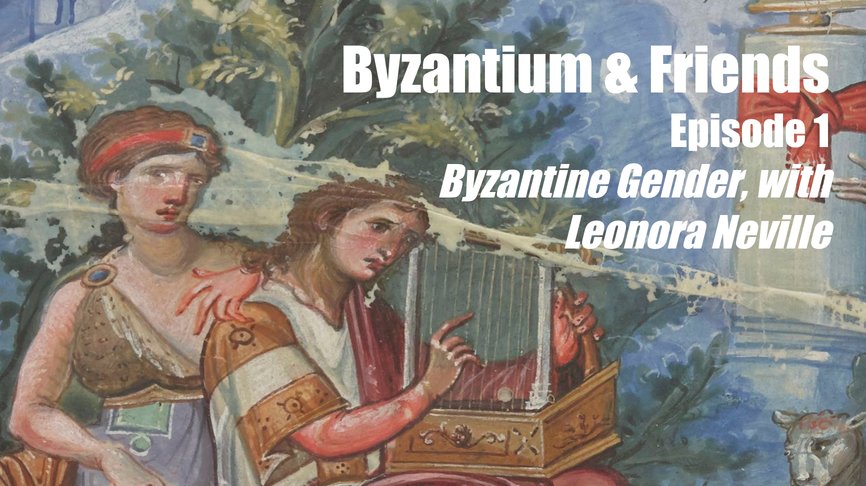
Byzantine Gender, with Leonora Neville
In the first episode of Byzantium & Friends, Leonora Neville talks about her new book Byzantine Gender – how people in the Byzantine Empire conceived of men and women, masculinity and femininity, and the proper behaviour for men and women.
