
Medieval Black Magic
Sins of evil black magic, as listed by the medieval theologian Burchard of Worms in the 11th century.
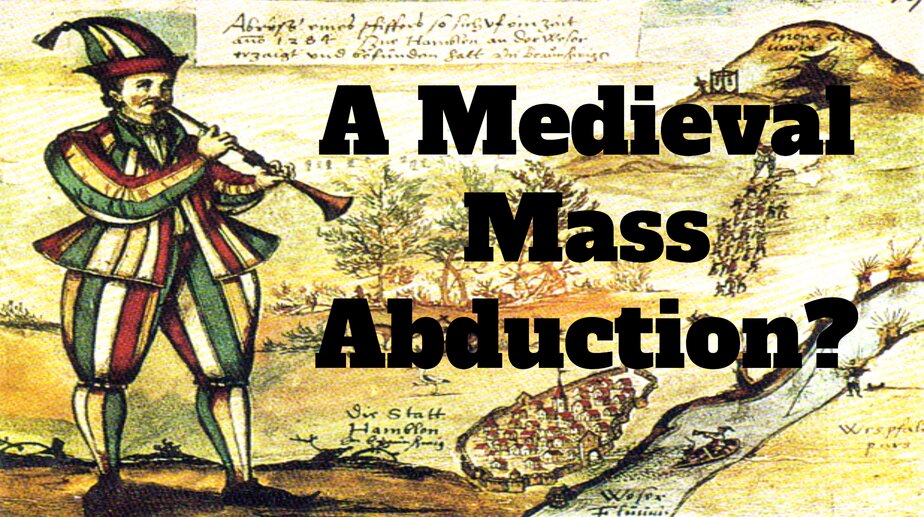
The Pied Piper of Hamelin: A Medieval Mass Abduction?
What really happened on June 26, 1284, in the German town of Hamelin?
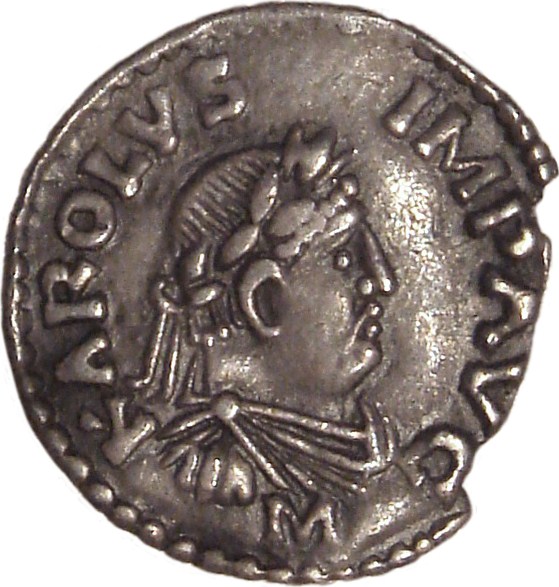
Charlemagne’s Denarius, Constantine’s Edicule, and the Vera Crux
In 806 a much-discussed silver denarius bearing the likeness of Charlemagne was issued. This is called the “temple-type” coin due to the (as yet unidentified) architectural structure illustrated on the reverse side, and which is explicitly labeled as representing the epitome of “Christian Religion.”
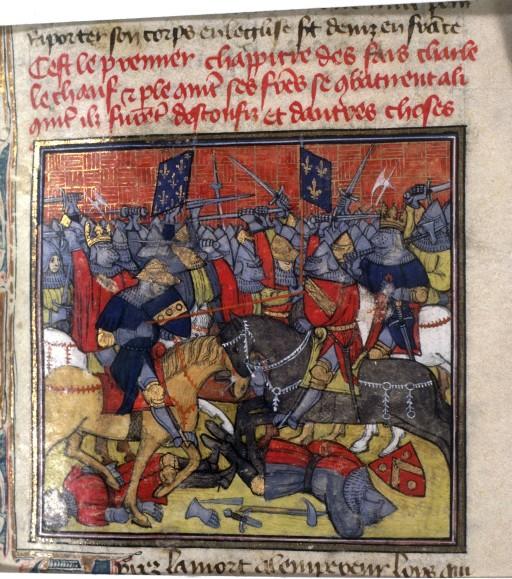
CONFERENCES: The Stellinga, the Saxon Elite, and Carolingian Politics
This is my summary of a paper presented at the Institute of Historical Research on the causes of the Stellinga uprising in the Carolingian period.

Skirts and Politics: The Cistercian Monastery of Harvestehude and the Hamburg City Council
In 1482, Catharina Arndes lifted up her skirts in front of the archbishop’s chaplain. She was a respectable townswoman from Hamburg, and her action was carried out in defense of the Cistercian monastery of Harvestehude which was close to the city and where several of Catharina’s nieces lived as nuns.

King’s sister, queen of dissent: Marguerite of Navarre (1492-1549) and her evangelical network
This study reconstructs the previously unknown history of the most important dissident group within France before the French Reformed Church formed during the 1550s.
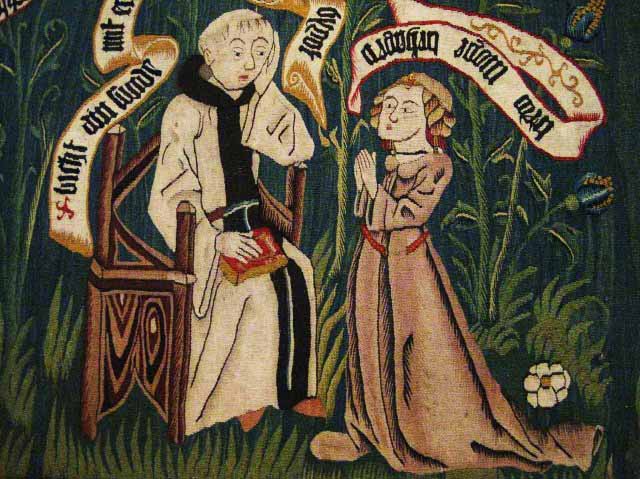
Conflicting expectations: Parish priests in late medieval Germany
The study investigates the expectations various groups in late medieval German society held of their parish priests and how these expectations were mediated through specific relationships.
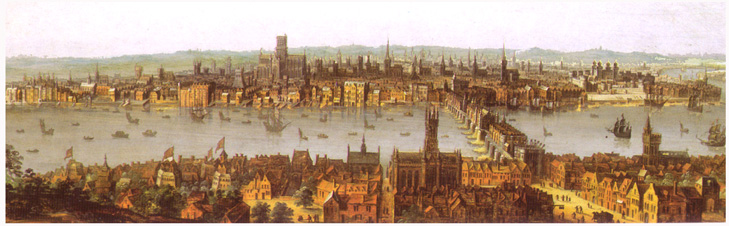
CONFERENCES: Arnold Fitz Thedmar: an Early London chronicler
Another fascinating paper given at the Institute for Historical Research in central London. For those of you interested in chronicles, urban history and London, this paper was definitely for you. Ian Stone discussed his dissertation about thirteenth century London through the eyes of wealthy Alderman, Arnold Fitz Thedmar.
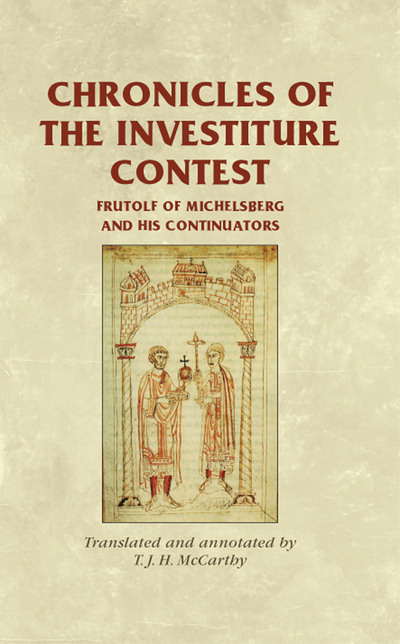
Different roles of Empire(s) in the Universal Chronicle of Frutolf of Michelsberg
Frutolf, a monk of the Benedictine monastery of Michelsberg in Bamberg, wrote five years before his death in 1103 a universal or world chronicle of about 300 folios.
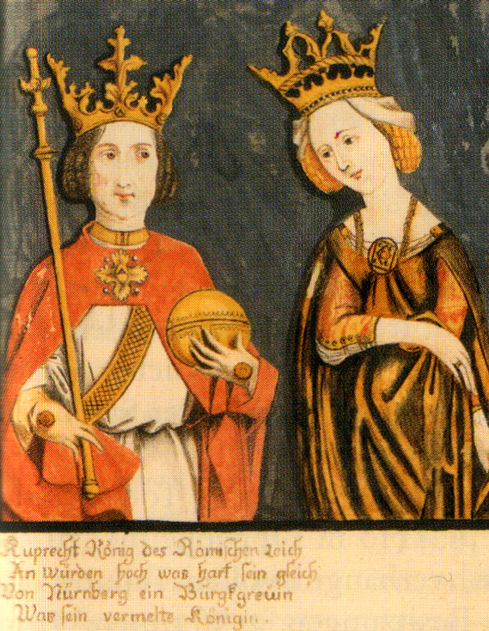
Rose without Thorn, Eagle without Feathers: Nation and Power in Late Medieval England and Germany
It is hard at times to take the Agincourt Carol entirely seriously. Patriotism of such brash exuberance seems more properly to belong in a brightly lit Laurence Olivier world of mid twentieth-century medievalism than amid the grim and tangled realities of fifteenth- century politics and war.
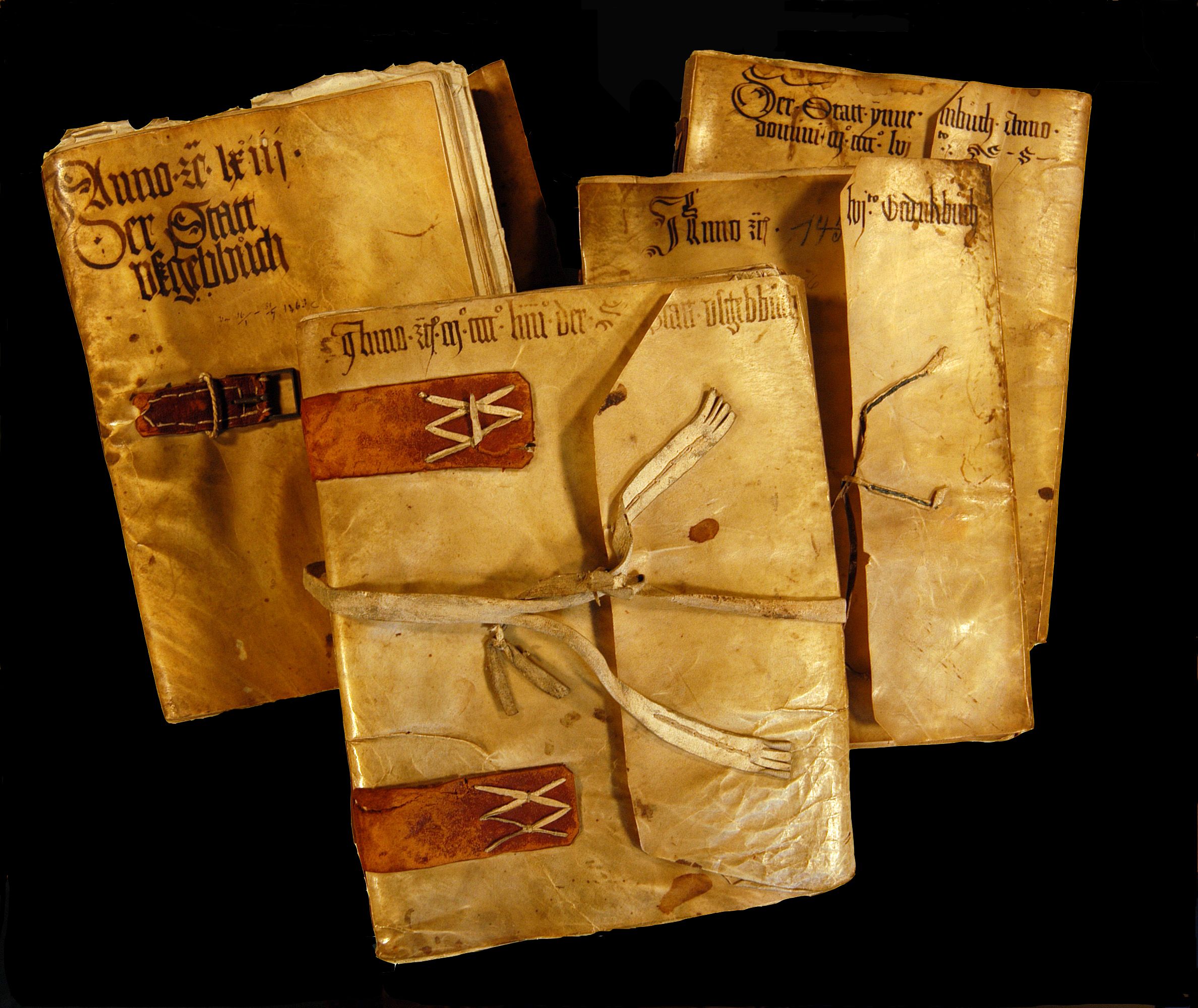
Historian to develop online edition of the Augsburg Master Builders’ ledgers
The German Research Foundation has awarded Professor Jörg Rogge of Johannes Gutenberg University Mainz a grant of EUR 400,000 to create a digital edition of the Augsburg Master Builders’ ledgers.
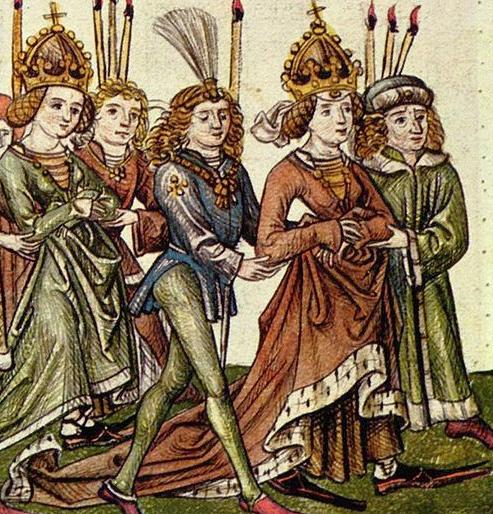
The Perquisite of a Medieval Wedding: Barbara of Cilli’s Acquisition of Wealth, Power, and Lands
The aim of my research will be on the one hand to highlight the beginnings of Barbara’s relationship with Sigismund; particularly their engagement and wedding…

Constructing the Wicked Witch: Discourses of Power in the Witch-Hunts of Early Modern Germany
For the people of early modern Germany, the witch was not the cackling menace of fairytales or myth, but a real-life scourge on society that needed to be purged from their lives.
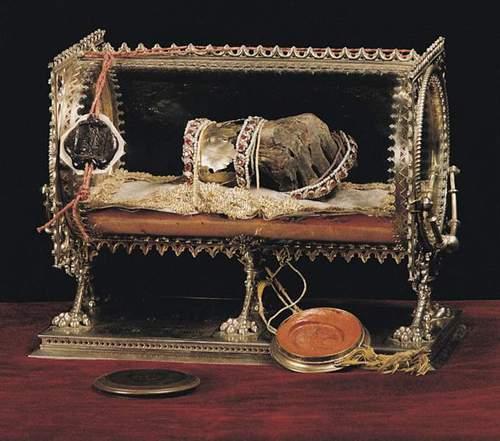
Hungary’s Conversion to Christianity: The Establishment of Hungarian Statehood and its Consequences to the Thirteenth Century
The Carpathian Basin occupies a peculiar place in history. It was the ground where Roman-Germanic world met that of the Slavs and mounted nomad peoples, where no group had achieved sustained unity before the state of Hungary was founded.
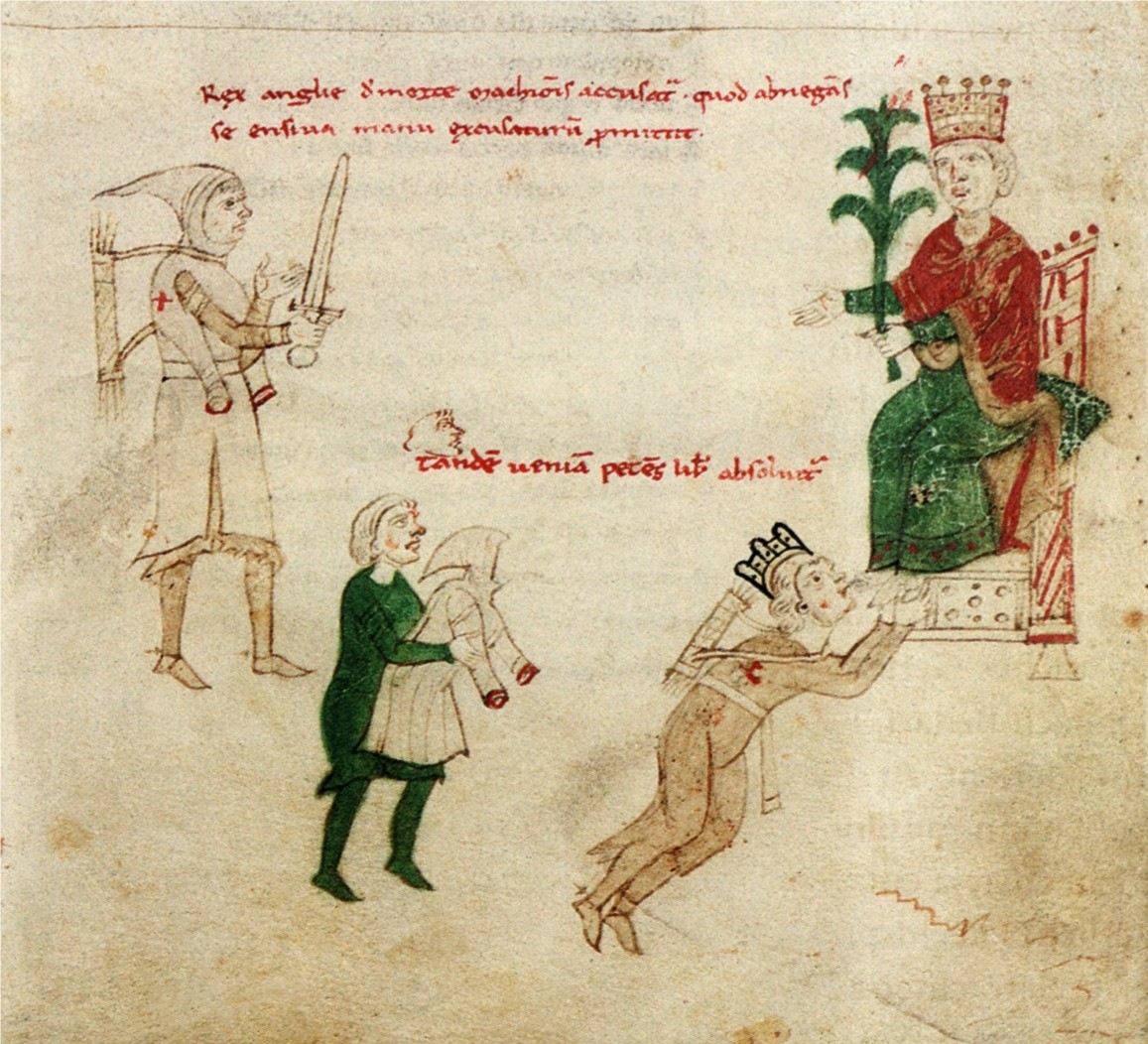
The Kidnapped King: Richard I in Germany, 1192–1194
In 1193 the rulers of Germany and England met for the first time in history.

The Depiction of Jews in the Carnival Plays and Comedies of Hans Folz and Hans Sachs in Early Modern Nuremberg
This study will thus demonstrate that the Bakhtinian model and its critics both contribute to our understanding of the Fastnachtspiel and the development of early modern German attitudes toward Jews.
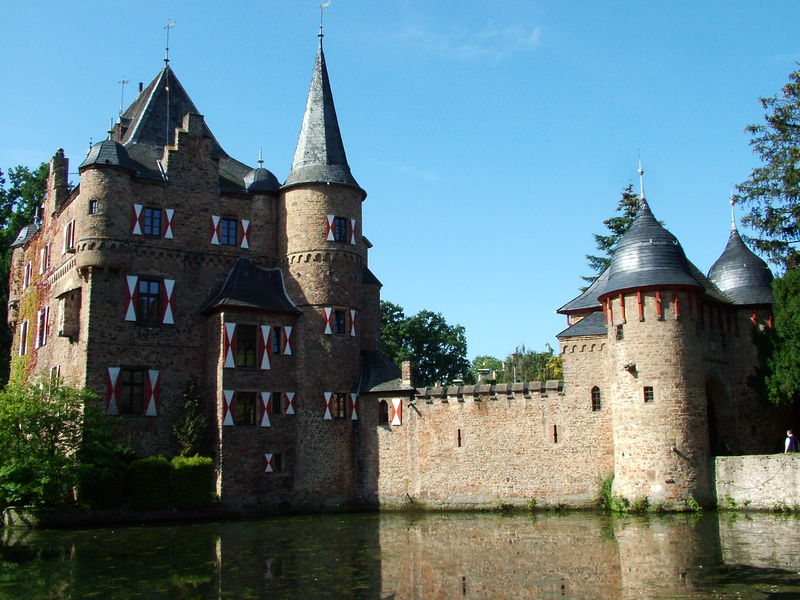
Top 10 Medieval Castles in Germany
Which castles should you see in Germany? Here is our list of ten castles you can explore that have largely remained the same since the Middle Ages.

Amending the Ascetic: Community and Character in the Old English Life of St. Mary of Egypt
Among the most eligible saints for such treatment, Mary of Egypt deserves particular consideration: her popularity is evidenced by over a hundred extant Greek manuscripts of her Life and her uniquely prominent position in the Lenten liturgical cycle in the Eastern Church.
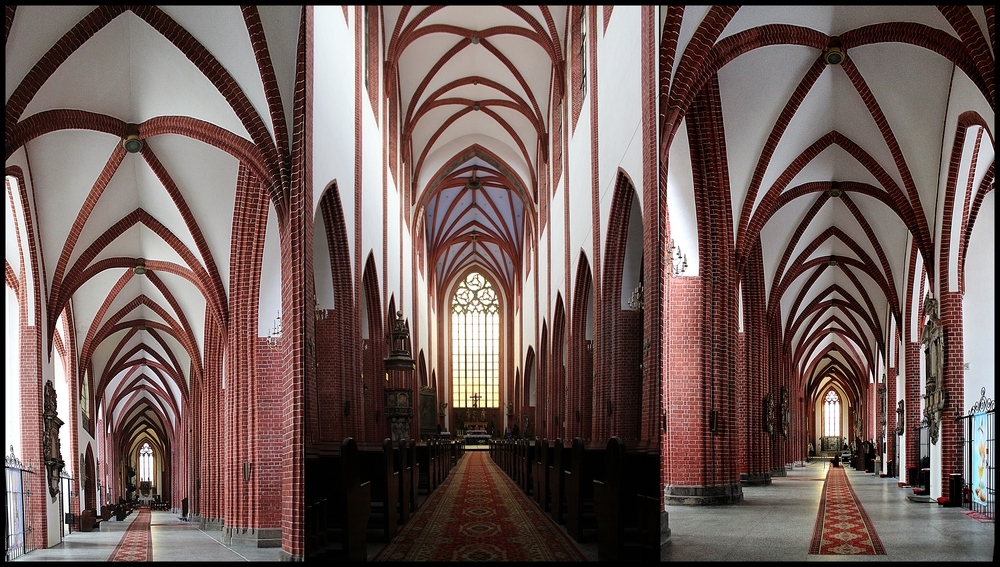
The cultural identity of medieval Silesia: the case of art and architecture
The cultural identity of architecture and visual arts of the Middle Ages in Silesia can be analyzed in the following frameworks: 1.) the distinct formal features of local artwork; 2.) the specific content expressed through it. Macro factors (the type of materials and their availability) are important in architecture, as are architectural patterns and styles.
Coeur de Lion in Captivity
In December 1192 Richard I was seized near Vienna by Duke Leopold V of Austria.

The Physicality of Service in German Ideas of Knighthood, c.1200-1500
Jörg’s memoir is a particularly informative example of how one knight understood his own calling to knighthood and his practice of it. The medieval knight had a voice, and although precious few memoirs like Jörg’s exist, knightly perspectives inform a considerable breadth of primary materials.
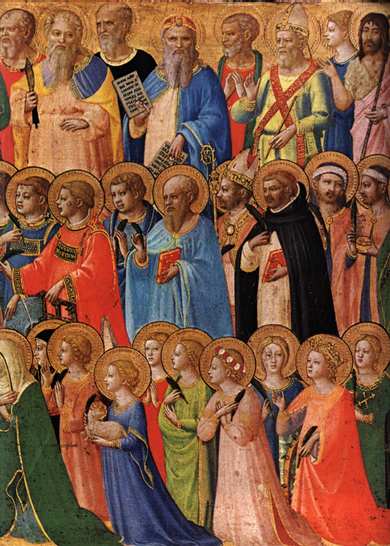
Saints’ Cults in Medieval Livonia
Saints’ cults played a crucial role in medieval society. Although we know very little about the beliefs and rituals of the indigenous peoples of Livonia, either before or after the thirteenth-century conquest, we may assume that the process of Christianization must have caused major changes in their religious practices.
England’s First Attempt to Break the Commercial Monopoly of the Hanseatic League, 1377-1380
During the second half of the fourteenth century English traders first seriously threatened the Hanseatic League’s commercial monopoly in the Baltic. The League, attempting to defendits monopoly, treated the English unjustly,where upon in 1377 the English Parliament rescinded the charter that granted the League important concessions and privileges in its English trade.
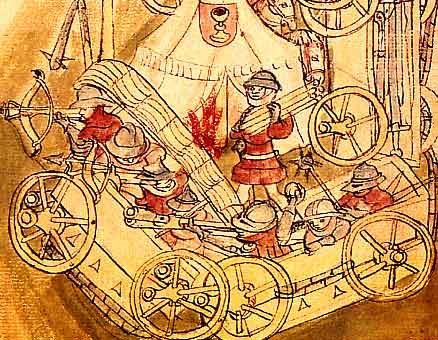
Boundaries in the making – Historiography and the isolation of late medieval Bohemia
This paper deals with an episode of early 15th century Bohemian history. During the so-called Hussite wars, a coalition of Catholic powers tried to establish a far-reaching blockade on trade and commerce against the kingdom of Bohemia, which then was considered to be a hotbed of heresy, and to be rebellious against its legitimate ruler and the papal church.
