‘Selling stories and many other things in and through the city’: Peddling Print in Renaissance Florence and Venice
‘Selling stories and many other things in and through the city’: Peddling Print in Renaissance Florence and Venice Rosa M. Salzberg (University of…

Donatello and Ghiberti: The Choice Betewen Compositional Unity and Narrative Force
In the spiritual epicenter of Quattrocento1 Florence April 2, 1452 marked the completion of the Baptistery of San Giovanni’s third set of bronze doors.
The Italian Giant Bibles, Lay Patronage, and Professional Workmanship
Eleventh-century Umbro-Roman Giant Bibles were commissioned by varied church and lay patrons (and not only by Roman reform- party adherents) and crafted by ad hoc assemblies of paid craftsmen using methods of carefully calibrated, synchronous copying to reduce production time for the single commission.

You’ve Really Got a Hold on Me: The Power and Emotion in Women’s Correspondence in Fifteenth-Century Italy
This thesis examines the lives of Alessandra Strozzi and Lucrezia de’Medici of Florence
INTERVIEW: Author Tinney Sue Heath
In late July, I posted a book review on, “A Thing Done”, by Tinney Sue Heath. The book explores the fantastic world of Italian medieval vendetta during the thirteenth century. Here is my interview with this talented and accomplished author.

A Cell of their Own: The Incarceration of Women in Late Medieval Italy
I will then move to sketch the social profile of female inmates, mainly drawing on the records of Le Stinche, the Florentine municipal prison, during its first century of activity, circa 1300–1400.
Past/Present: Leonardo Bruni’s History of Florence
Past/Present: Leonardo Bruni’s History of Florence Giuseppe Bisaccia Renaissance and Reformation, Vol. 21, No 1 (1985) Abstract The importance of historical consciousness in the…
Scientists move closer to connecting Mona Lisa with Lisa Gherardini
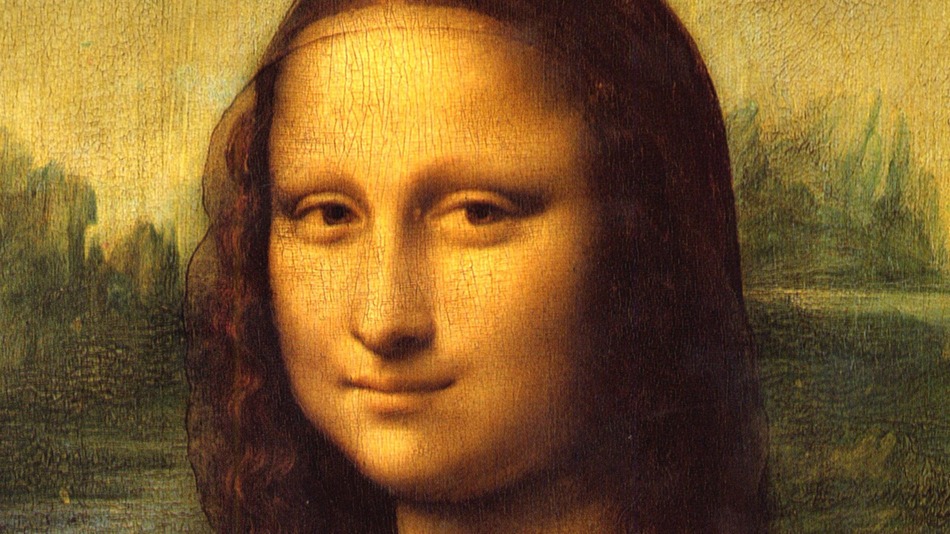
Italian scientists are getting closer to solving the mystery of who was the model for Leonardo da Vinci’s masterpiece, Mona Lisa.
Make-Up as Understructure: Renaissance Cosmetics as Renaissance Self-Fashioning
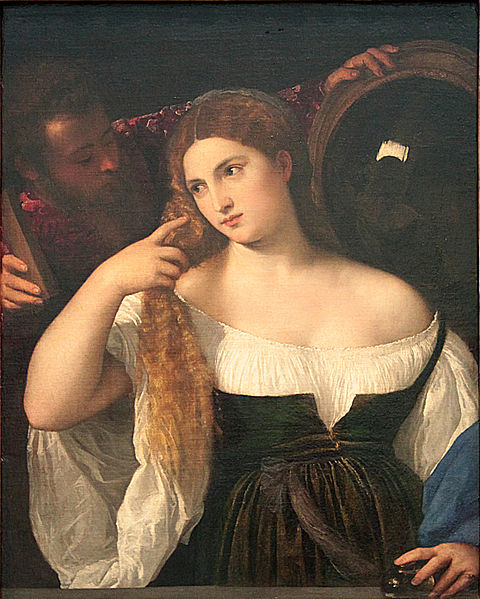
Cosmetics – like fashion in general – clearly seem to have experienced a notable expansion in their use toward the end of the medieval period.

Book Review: A Thing Done, by Tinney Sue Heath
I’ve read a lot of historical novels over the last few years but I have to say that hands down, this one is at the top of my list.
Glass Bridges: Cross-Cultural Exchange between Florence and the Ottoman Empire
During the medieval period, the main aim of the crusades was recovery of the Holy Land. However, this changed in the fifteenth century for various reasons.
Chivalry and Public Disorder in Thirteenth-Century Florence
The was the second of two fabulous papers given at the my first session on Medieval violence. Whereas the first paper in this series looked at violence in the university setting, this one tackled violence in an elite sphere – Florentine knights and their retinues.
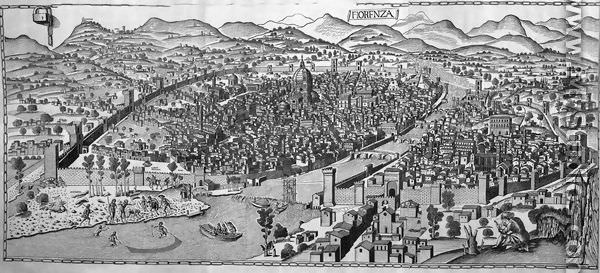
Economic Credit in Renaissance Florence
What were the social and institutional factors that led to, and reinforced, the precocious emergence of Florentine commercial capitalism, especially in the domain of international merchant banking?
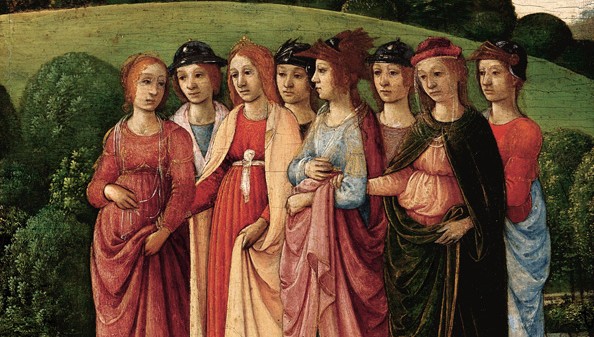
Femininity in the Marketplace: The Ideal Woman in Fourteenth-Century Florence
Throughout this period, in advice manuals and in humanistic dialogues, writers emphasize the importance of learning to read and write, and of gaining the social skills necessary for creating a network of friends; these were considered
necessary abilities for becoming a successful merchant and citizen.
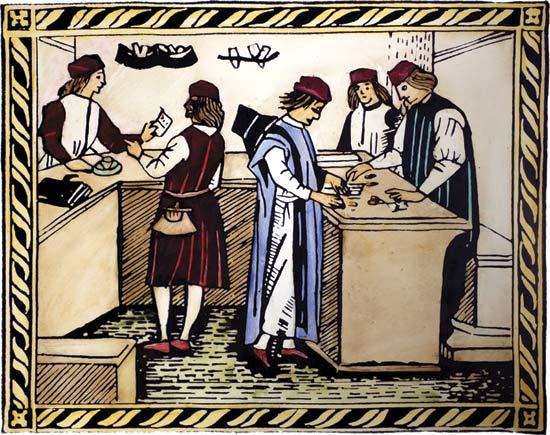
Lodovico Capponi: A Florentine Banker and a Lending Transaction in 16th Century Florence
This paper examines how loans transpired in early 16th century Italy, taking a look at a specific transaction involving Lodovico Capponi of Florence and the Vatican in Rome.
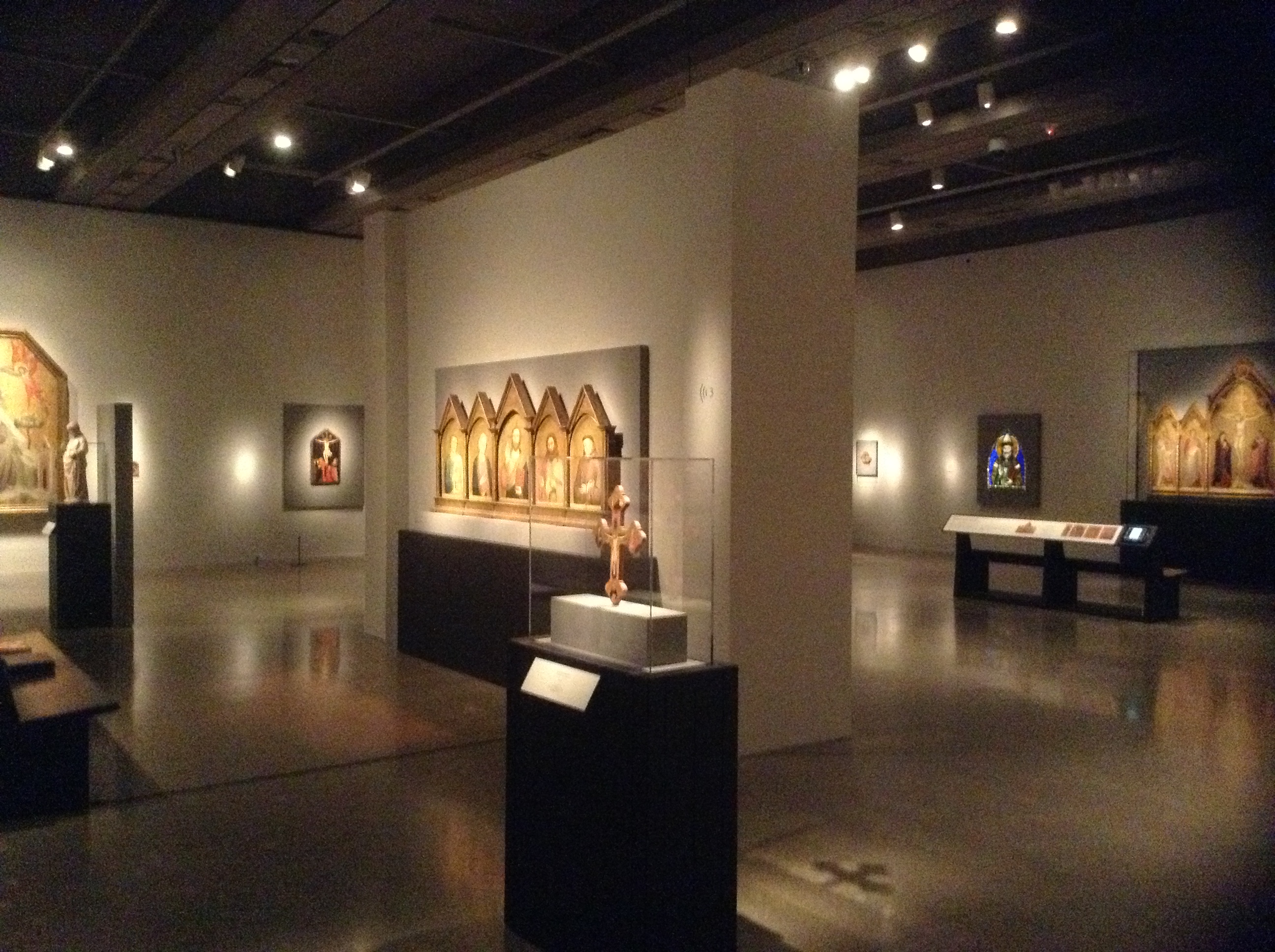
Revealing the Early Renaissance: Stories and Secrets in Florentine Art
A symposium held at the Art Gallery of Ontario offered new insights into the artistic community of 14th-century Florence.
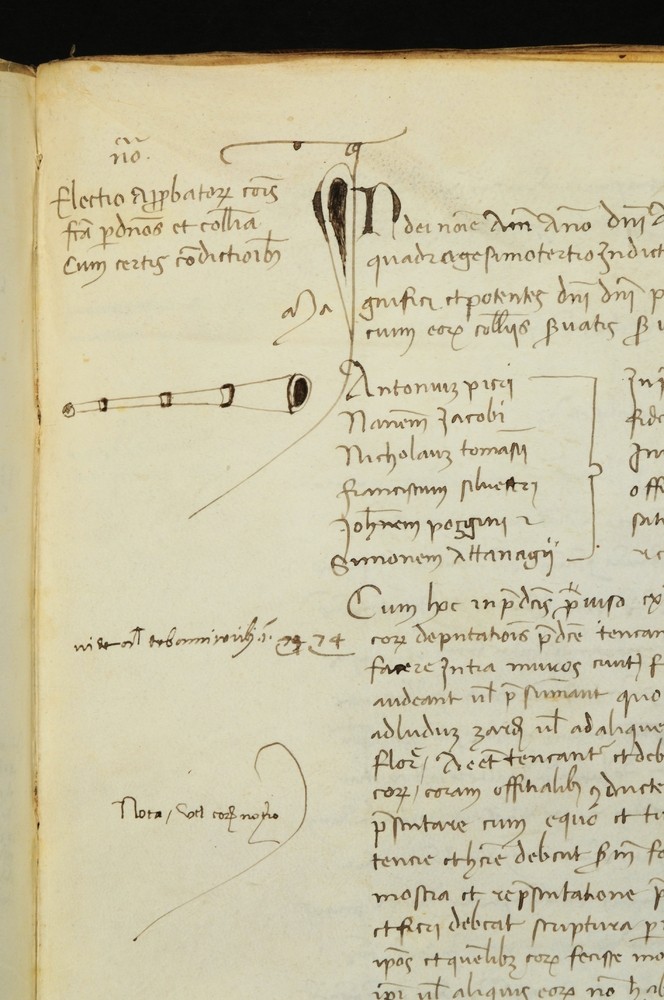
500-year-old arrest warrant for Machiavelli discovered
The original copy of a proclamation – exactly 500-years old – calling for the arrest of Niccolò Machiavelli has been discovered by a British historian.
Transvestites, Saints, Wives, and Martyrs: The Lives of female saints as read by fifteenth-century Florentine women
An examination of the lives of female saints taken from the highly popular vernacular Vite dei santi padri written by Domenico Cavalca (c.1270-1342) and the ways women in quattrocento Florence may have been reading them.
The Duomo: The Touchstone of Florence
The Duomo, ‘cathedral’ in Italian, is the touchstone of Florence’s architectural achievements and was built to serve forever as a symbol of Florence’s power and prosperity to the surrounding Tuscan communities.
A Private Chapel as Burial Space : Filippo Strozzi with Filippino Lippi and Benedetto da Maiano in Santa Maria Novella, Florence
Chapel decoration as burial space in Renaissance Florence had two distinct tendencies, apparently opposing but not necessarily mutually exclusive.