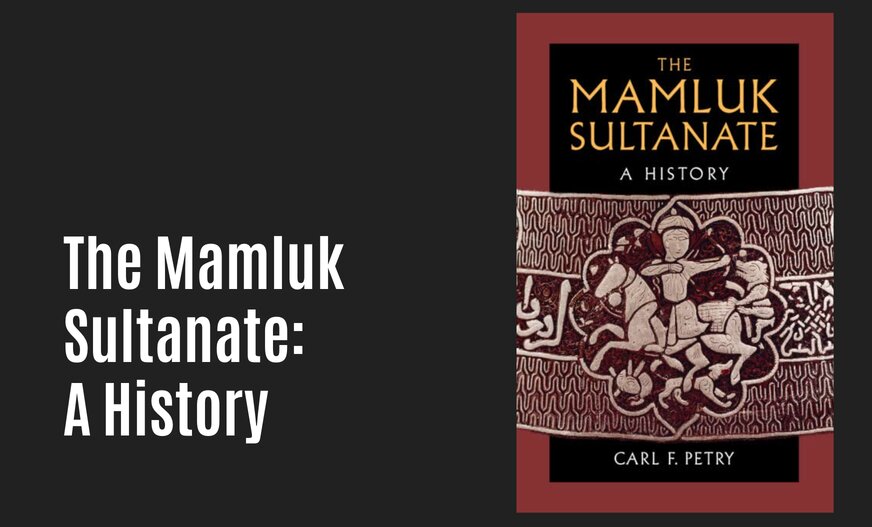
New Medieval Books: The Mamluk Sultanate: A History
A look at the Mamluks, the slave-soldiers who ruled Egypt, Syria and parts of Arabia from the mid-13th century to 1517. It focuses on the politics and governing of this medieval state.

What it was like to be a medieval physician
A look at the day-to-day problems of a medieval physician.
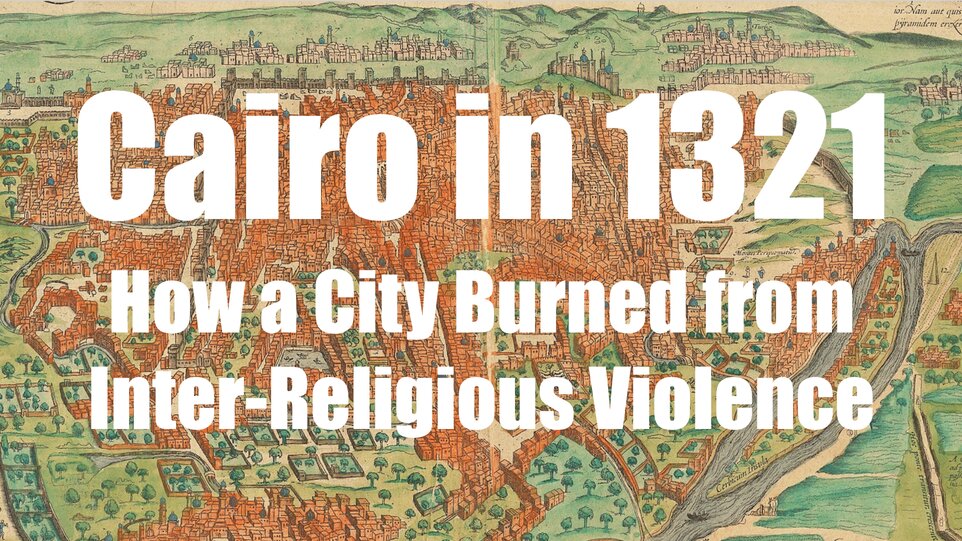
How a City Burned from Inter-Religious Violence: Cairo in 1321
The story of what took place in Cairo in the year 1321 is a sad example of what could happen when religious tensions spiralled out of control.

Egypt’s emerald mines fell under the control of the Blemmyes in the Early Middle Ages, archaeologists find
Control over emerald mines in Egypt shifted from the Roman Empire to the Blemmyes during the Early Middle Ages, archaeologists have found.
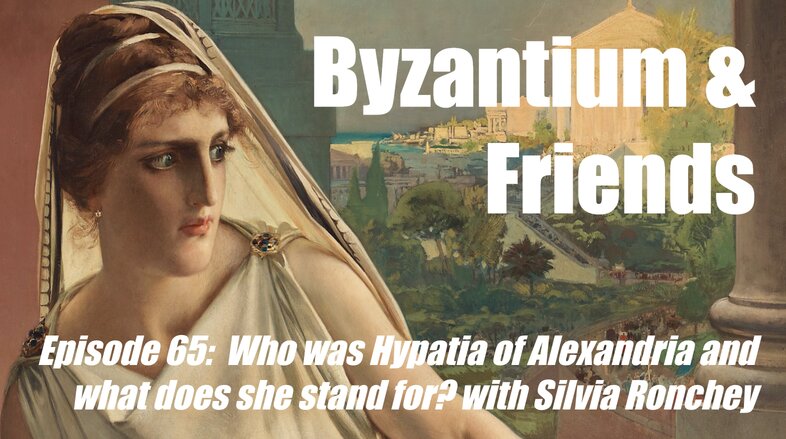
Who was Hypatia of Alexandria and what does she stand for? with Silvia Ronchey
A conversation with Silvia Ronchey about the famous philosopher Hypatia of Alexandria, who was murdered in the early fifth century by goons working for Cyril, the bishop of the city. Who was she? What traditions gave her a position of social prominence? To what degree may she be considered a feminist icon?
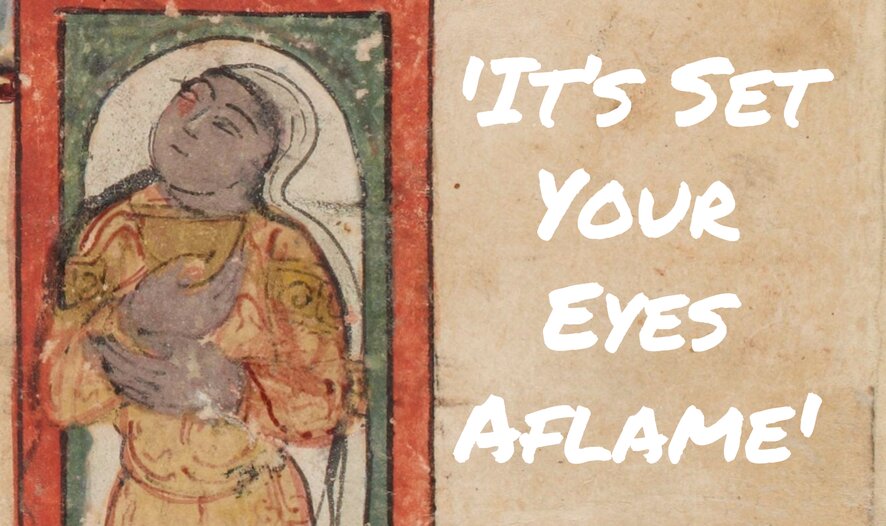
‘It’s Set Your Eyes Aflame’: Two Poems from the 14th century
Two beautiful poems from the 14th century, one called ‘Love’s Cure’ and the other ‘My Religion—My Wine’

The Cairo Geniza: What it tells us about Jewish Medieval Life in the Middle East
Benjamin Outhwaite discusses what the Cairo Genizah is, what can be found in it, and what it can tell us about the medieval past.

Medieval Treasures of Sinai now digitized on new website
Users can now browse over 11,700 images of icons and manuscripts, and will soon be able to see liturgical objects, architecture, mosaics, and more.

Nile Floods and Mamluk Farmers
Have you ever wondered what life was like for Mamluk farmers? In this episode, Lucie Laumonier talks with Omar Abdel-Ghaffar, a PhD candidate at Harvard University about Nile floods, landscapes and village communities in late medieval Egypt.

A Very Peculiar Institution: Military Slavery in the Mamluk Sultanate
I will suggest that the prism of slavery as a legal, social and economic institution is an effective way to study the ruling elite and army of the Cairo-based Sultanate that ruled from 1250 to 1517.
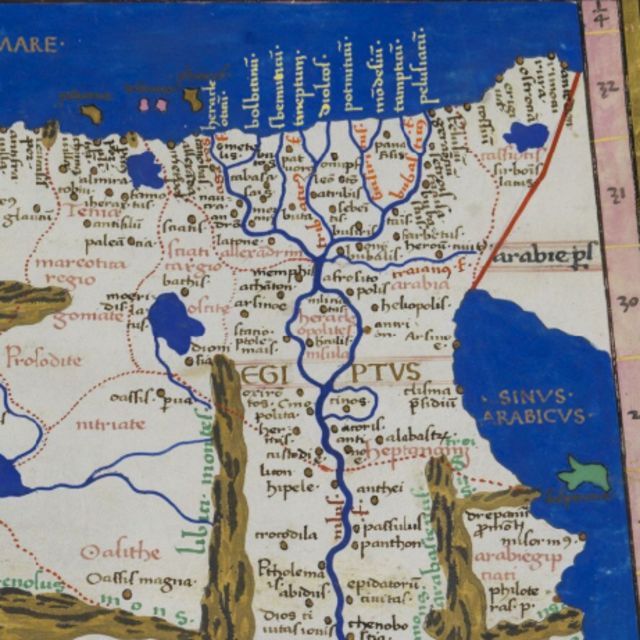
Christian-Muslim Diplomacy – Gestures and Words: European Ambassadors and the Mamluk Sultanate
I would like to deal with the instructions given by Christian powers to their ambassadors sent to the Mamluk sultanate.

Biography of Medieval Egyptian Queen shows her influence on Cairo’s architecture
A woman born into slavery in 13th-century Egypt broke the glass ceiling of the time to become a sultan and changed the look of Cairo with her innovative architectural projects.
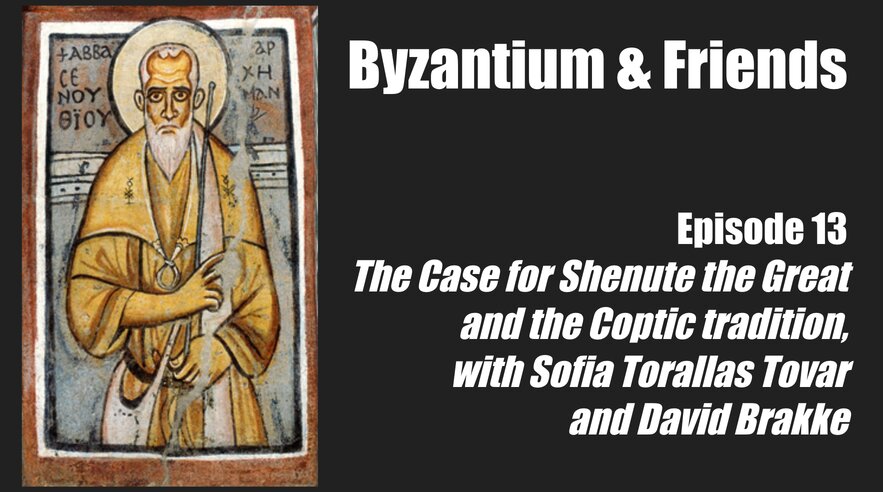
The case for Shenute the Great and the Coptic tradition, with Sofia Torallas Tovar and David Brakke
A conversation with Sofia Torallas Tovar and David Brakke about Coptic Egypt, the life and works of Shenute the Great, and how Coptic and Byzantine Studies can talk more with each other, just as the people they study talked to each other in the fourth-seventh centuries.

The Struggle for Power within the Mamluk Sultanate
The Mamluks had a long tradition of deposing and/or killing their own rulers. Only a few sultans could meet the challenges posed by revolts, civil wars, and internal struggles.
Mamluks of Jewish Origin in the Mamluk Sultanate
This article surveys mamluks of Jewish origin that can be identified in Mamluk sources.
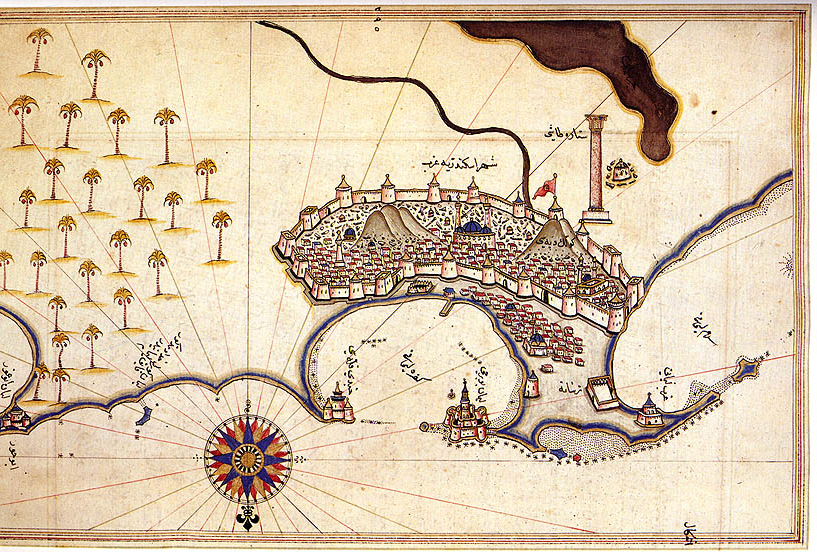
Medieval Alexandria: Life in a Port City
The article presents an overview description of medieval Alexandria, based on the integration of archaeological finds, Muslim historiography, and medieval travelogues, with Geniza documents.
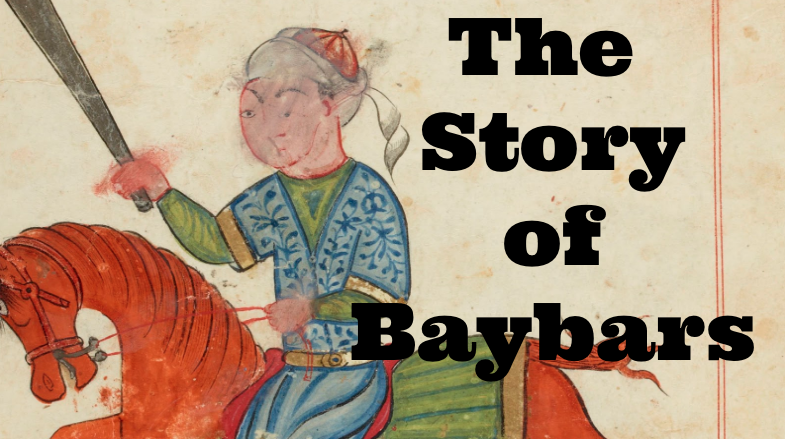
Slave, Soldier, Lord, and Sovereign: The Story of Baybars
Baybars’ story is exemplary of the careers of many slave soldiers of the medieval and early modern Muslim world. He rose from being a refugee and slave to become a soldier, officer, and then a ruler.

Crusaders in the Red Sea: Renaud de Châtillon’s raids of AD 1182–83
This fresh look at Renaud’s exploit is intended to clarify some of the motives, facts and geographical details of the campaign, though much still remains obscure.
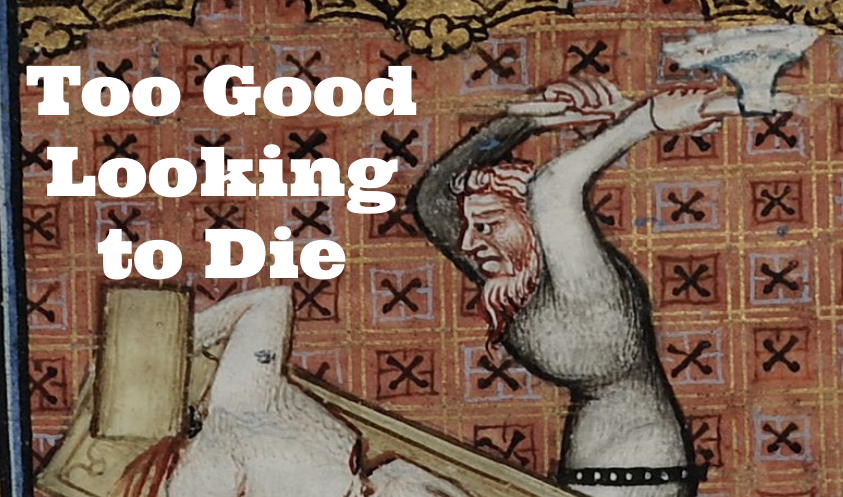
Too Good Looking to Die: How to get saved from an execution in the Middle Ages
In the Mamluk state there were several ways to avoid being executed, including physical beauty.

The Mongol Mamluk Sultan Al Adel Kitbugha (694-702 Hij, 1294-1302 AD)
In history, some personalities stand out due to the differences in the way they were viewed after achieving glory for themselves, a glory that took them up to the highest ranks.

The Lion Of Mali: The Hajj of Mansa Musa
A recounting of the fabled Hajj of Mali emperor Mansa Musa in 1324.

Human Trafficking 1000 years ago
Human trafficking was taking place in the Mediterranean a thousand years ago. A recent article takes a look at how and why this business was taking place.

Between Venice and Alexandria: Trade and the Movement of Precious Metals in the Early Mamluk Period
The Venetians were conspicuous among the merchants resuming trade in Mamluk lands shortly after the fall of Acre in 1291.
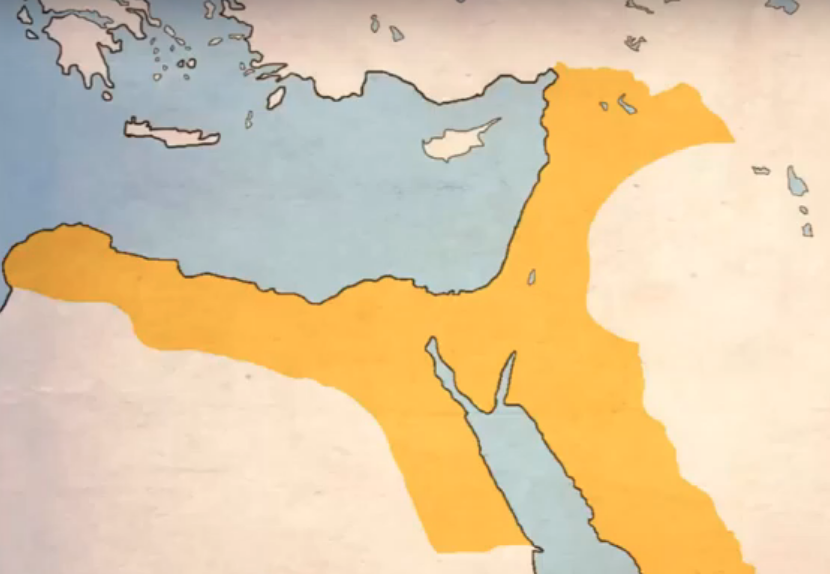
How the borders of the Mamluk Sultanate changed in the Middle Ages
From the years 1250 to 1517 Egypt and parts of the Middle East were ruled by the Mamluks.
