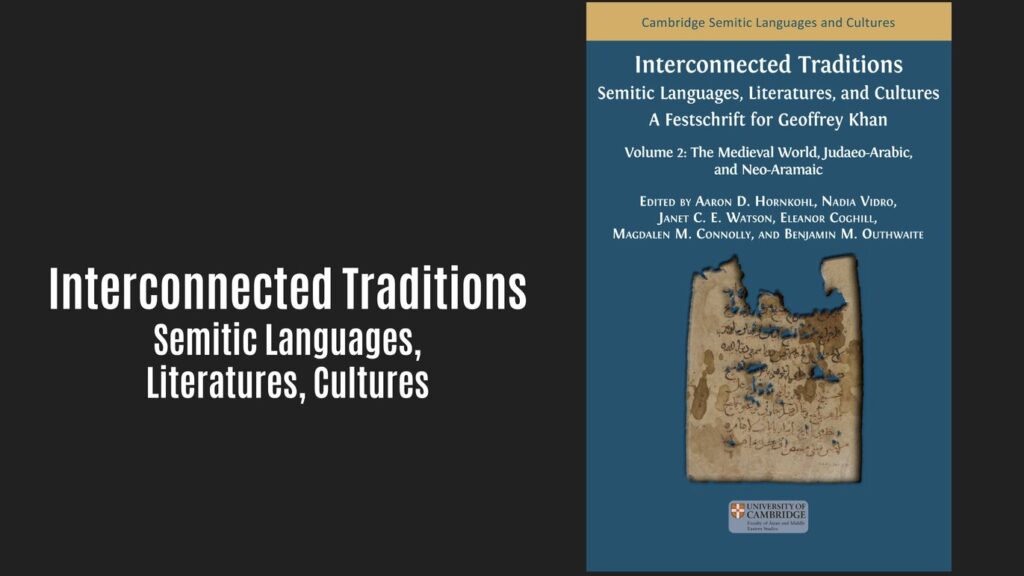
New Medieval Books: Interconnected Traditions
This open-access book brings together more than thirty essays on languages and the ways they develop, interact, and influence one another. Its main focus is the Middle East, where Hebrew, Arabic, and Aramaic long existed side by side and often overlapped in everyday use, scholarship, and culture.
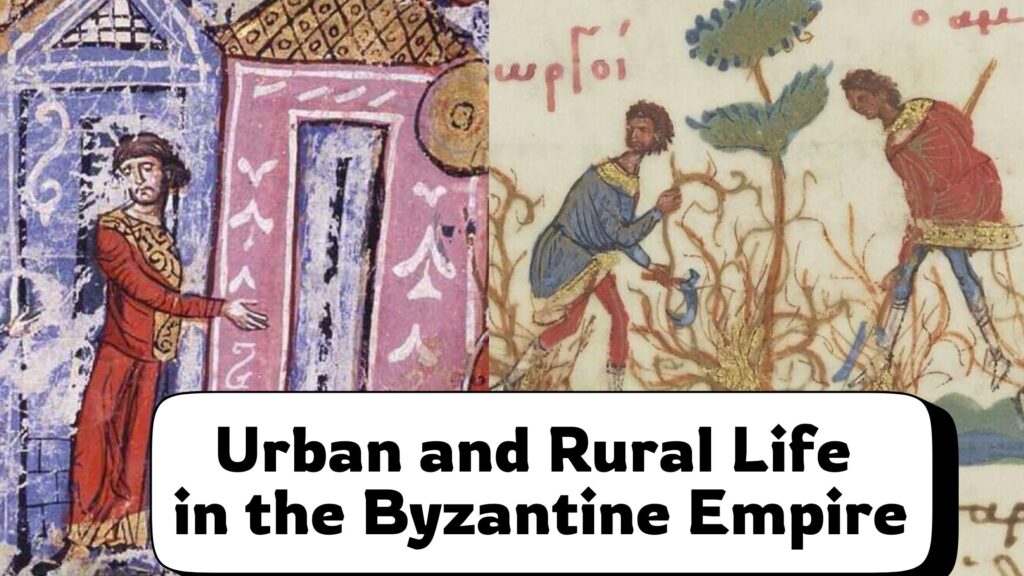
Urban and Rural Life in the Byzantine Empire
Explore how life in the Byzantine Empire differed between cities like Constantinople and the countryside, from social hierarchies and work to festivals, religion, and economic interdependence.
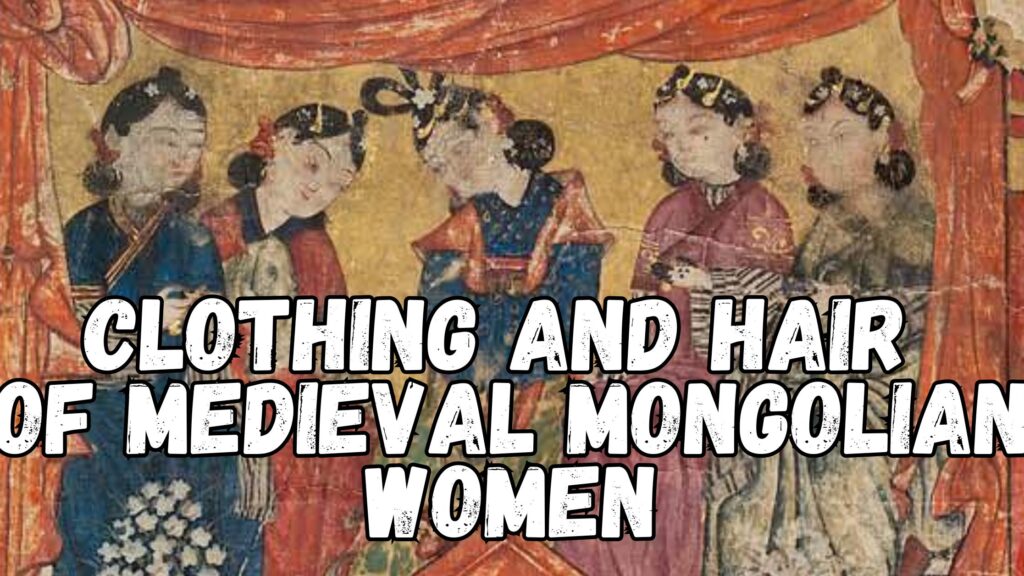
Clothing and Hair of Medieval Mongolian Women
How did medieval Mongolian women wear their hair and dress at court? This feature explores braids, shaving customs, and the iconic boqta headdress across Yuan and Ilkhanid art, travellers’ accounts, and archaeological finds.
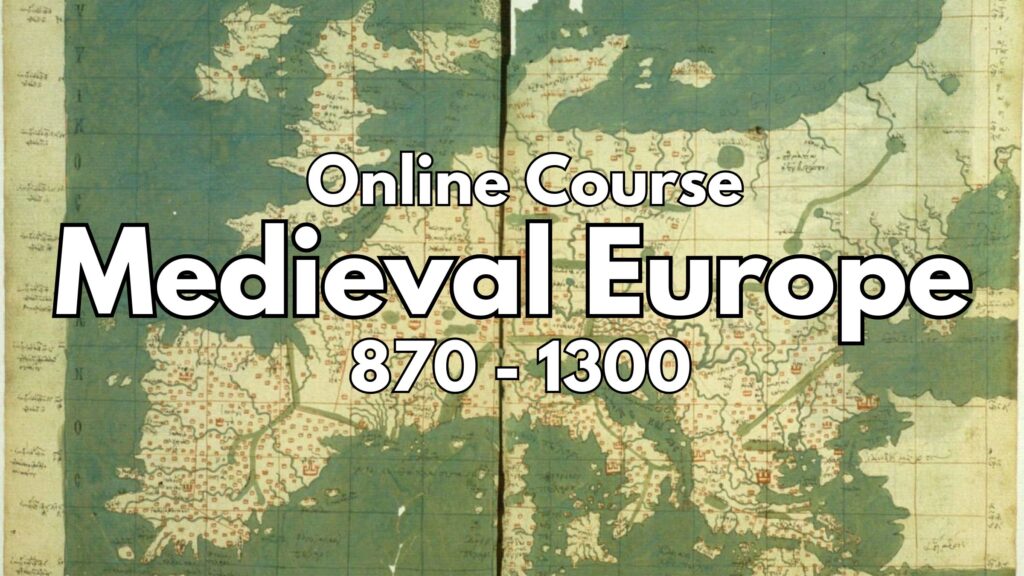
New Online Course: Medieval Europe 870 – 1300
This 10-week course begins on January 15th, with live sessions each Thursday from each 3:30 to 5:30 pm EST.
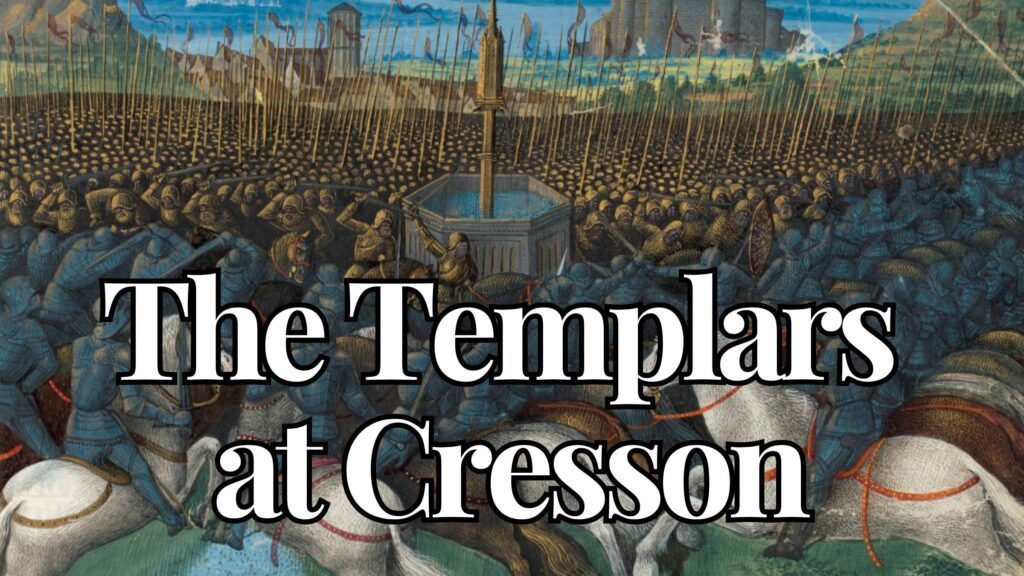
Victory in Death: The Templars at Cresson
In May 1187, the Templars were annihilated at the Springs of Cresson in the Kingdom of Jerusalem. Explore how the order turned catastrophe into a story of martyrdom and “victory in death,” on the eve of Hattin.
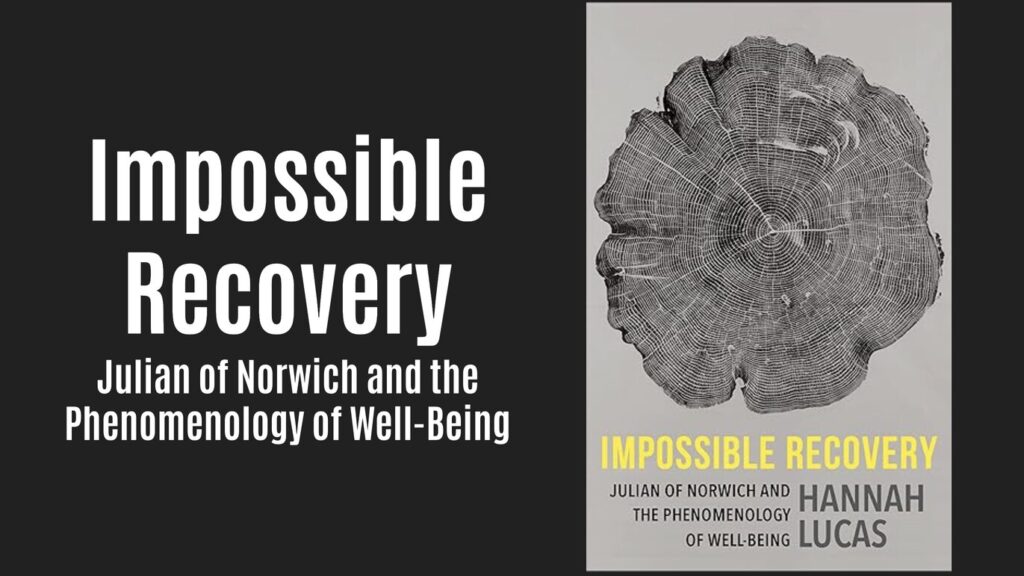
New Medieval Books: Impossible Recovery
The writings of Julian of Norwich, the fourteenth-century English mystic, have long fascinated medievalists. This book zeroes in on Julian’s illness during her visions, asking what that experience was like in human terms — as the author puts it, “What did she really experience, what did she feel, there in her sickbed in 1373?”
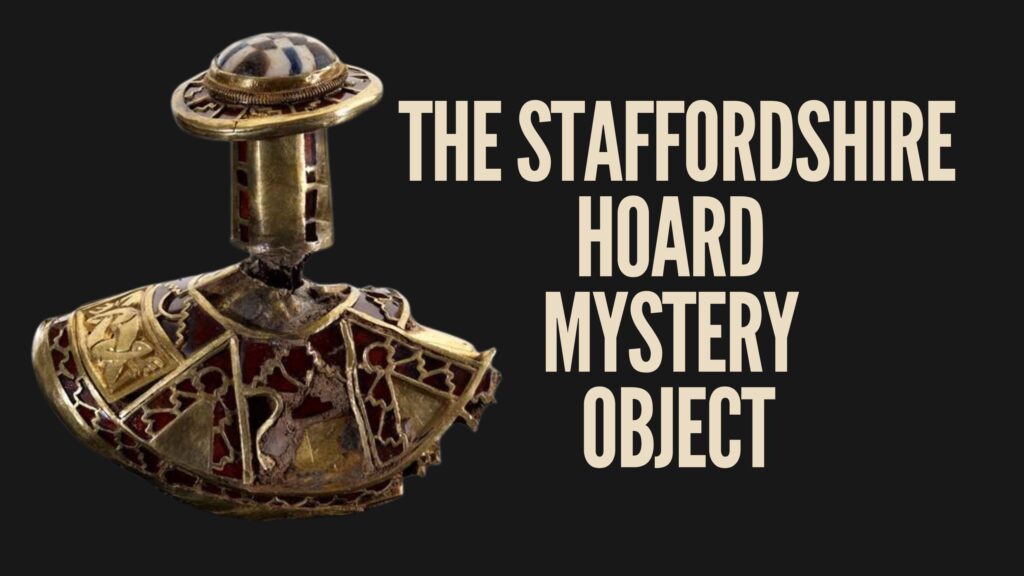
Is the Staffordshire Hoard ‘Mystery Object’ a Holy Warrior’s Headpiece?
New research suggests the Staffordshire Hoard’s mysterious object may be a ceremonial headpiece worn by a priest or holy warrior in early medieval England.

Fimbulvetr: When the Medieval World Saw the Sun Go Dark
How a mysterious climate disaster in AD 536 may lie behind the Norse myth of Fimbulvetr, when medieval people believed the sun itself had gone dark.
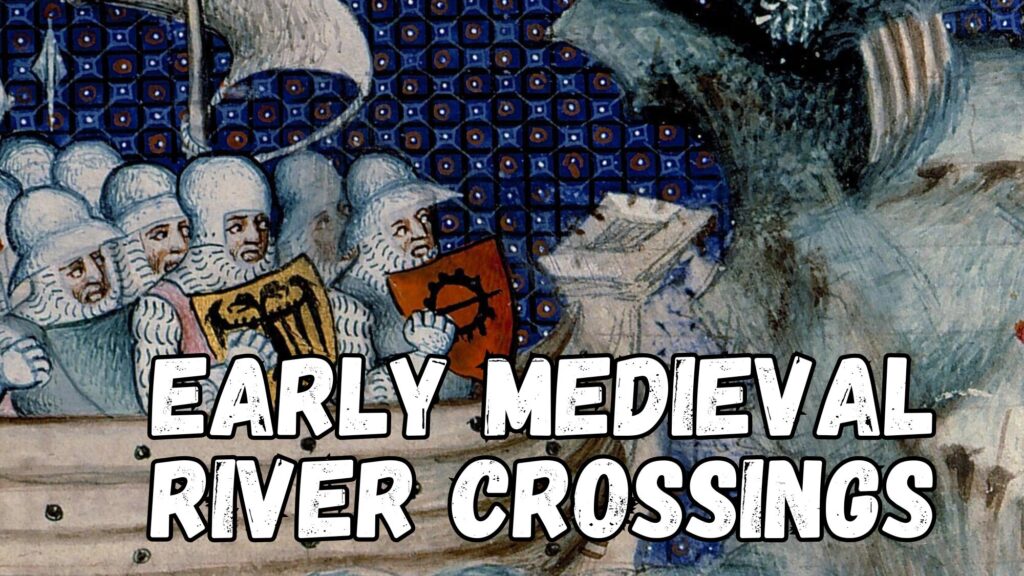
Crossing Under Fire: River Operations in Early Medieval Warfare
Early medieval commanders knew that rivers could stop an army as effectively as walls. Using Frontinus alongside case studies from Otto I and Henry II, this article explores feints, bridge-building, and the tactics behind forced crossings.
10 Medieval Studies’ Articles Published Last Month
What’s new in medieval studies? Here are ten open-access articles published in December, which include papers on new runic finds to how inquisitive was medieval inquisition.
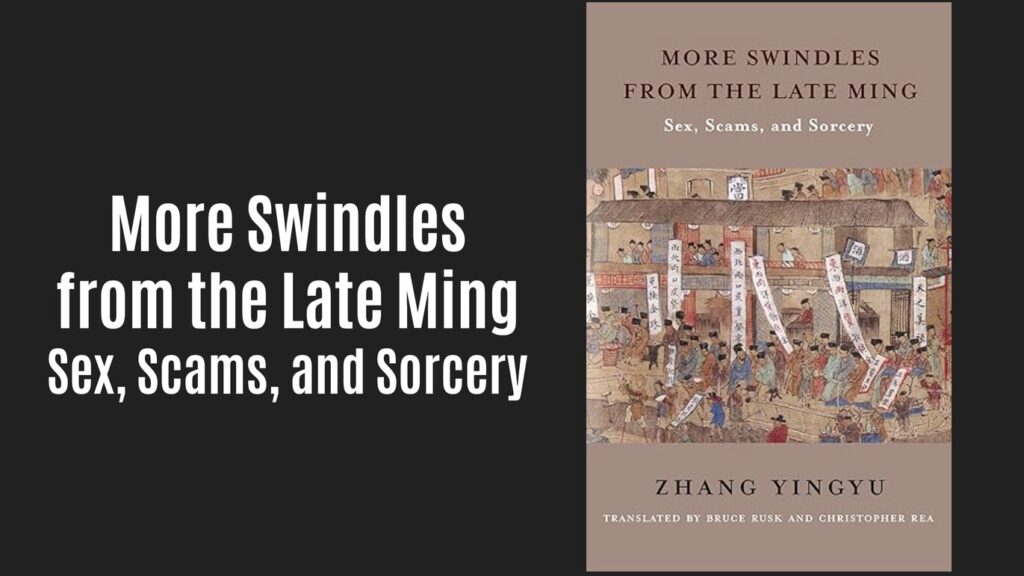
New Medieval Books: More Swindles from the Late Ming
The second instalment of a translation of an early seventeenth-century Chinese source on scams and cons offers a fascinating window into pre-modern crime.
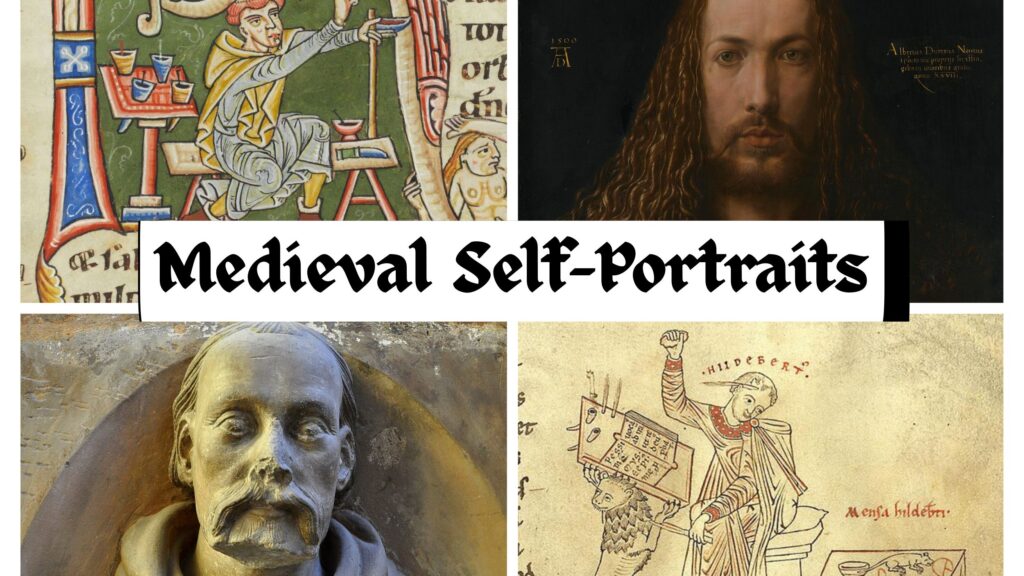
Medieval Self-Portraits: Ten Artists Who Put Themselves in the Picture
Discover how medieval artists began putting themselves into their work — ten vivid self-portraits from St Dunstan to Albrecht Dürer.
New Online Course: Urban Europe: Towns and Cities in the Middle Ages
Beginning January 9th, this four-week course will have 90-minute live sessions each Friday from 1:00 – 2:30 pm EST.
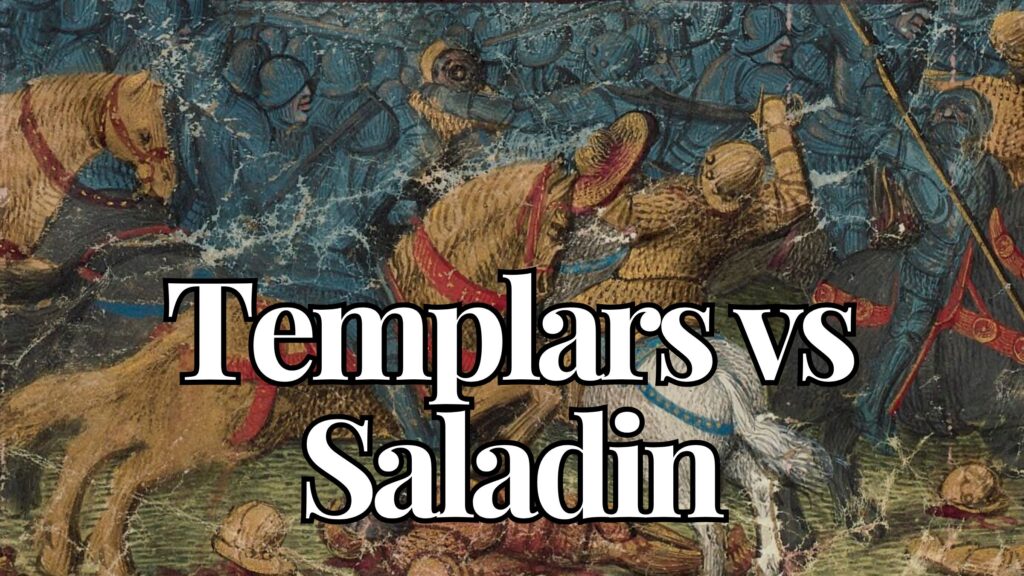
The Failed Hit at Mont Gisard: The Templars against Saladin
At the Battle of Mont Gisard in 1177, the Templars came within yards of killing Saladin. This feature looks at the near-assassination, the shock of the Frankish charge, and how Saladin sought revenge in the years that followed.
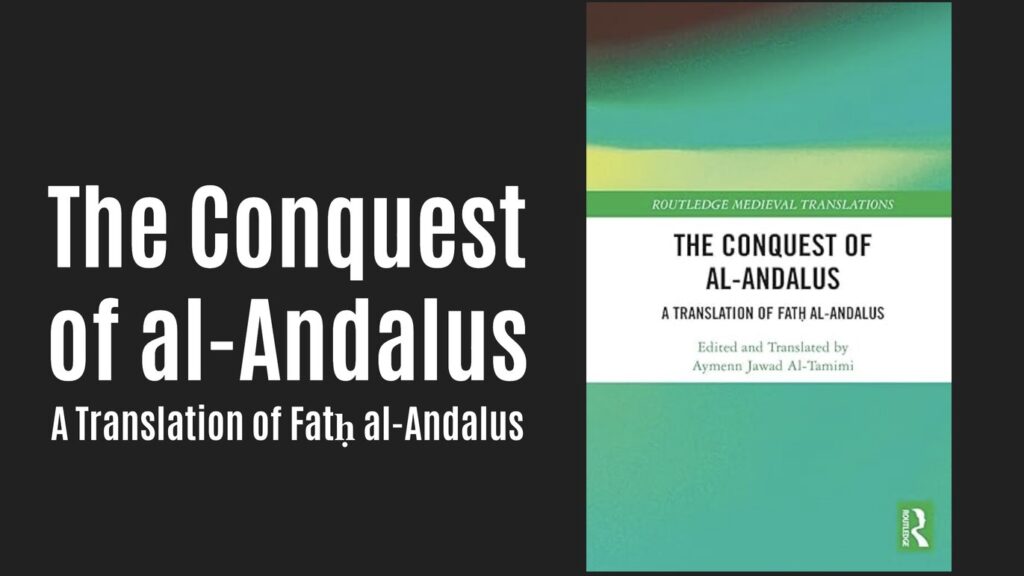
New Medieval Books: The Conquest of al-Andalus
We have relatively few sources for the Islamic conquest of Iberia in the early eighth century. This translation of a later account offers fresh insight into those events.
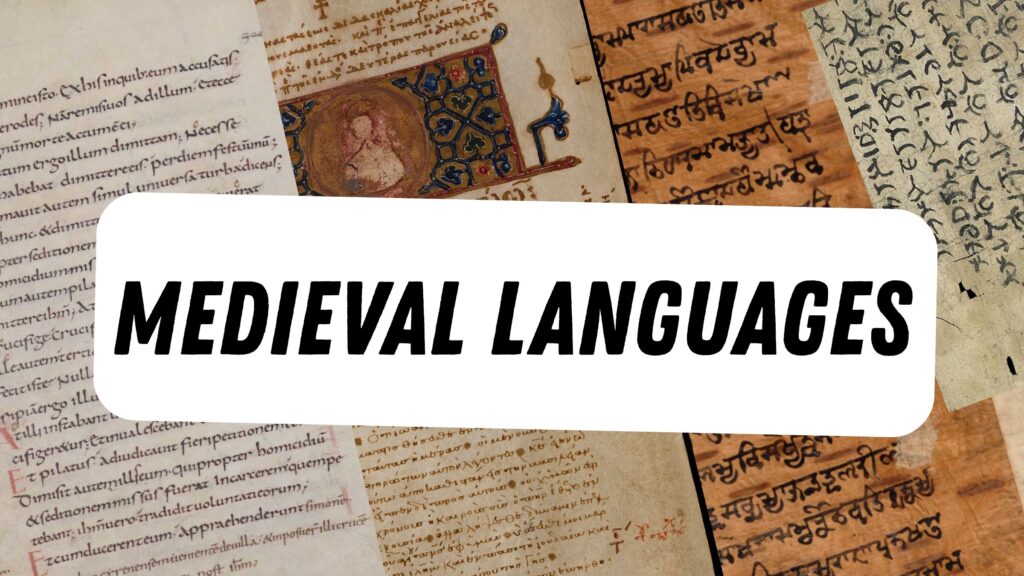
What Languages Were Used in the Middle Ages?
Travel across the medieval world through its major languages—from Latin and Greek to Arabic, Persian, Sanskrit, and Classical Chinese—and see how English, French, Slavic, and other tongues evolved from the Early Middle Ages to the late medieval period.
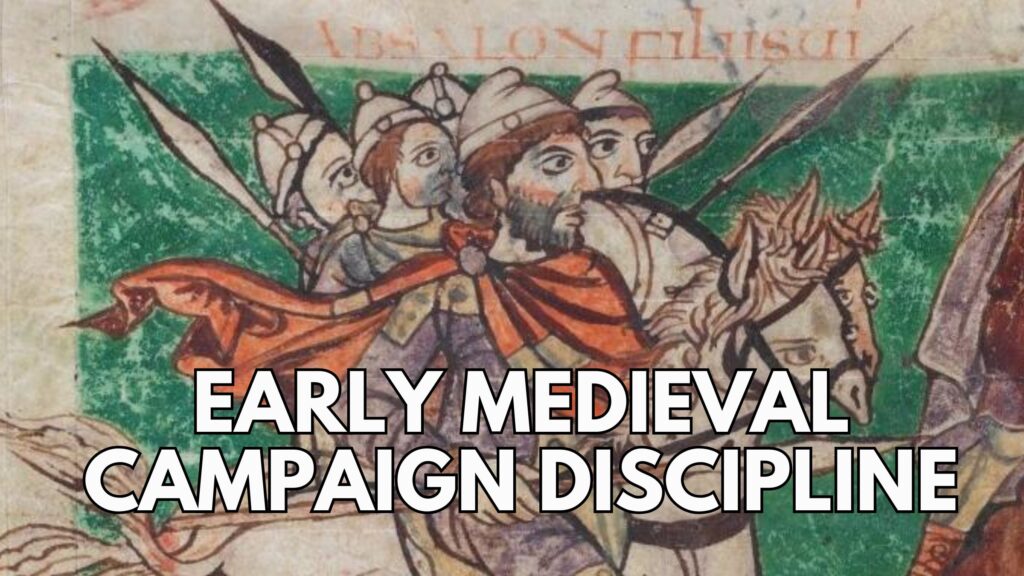
Order on the March: Discipline in Early Medieval Europe
Early medieval armies didn’t just fight battles—they had to keep order on the road, policing theft, violence, and disobedience as they marched. Explore…
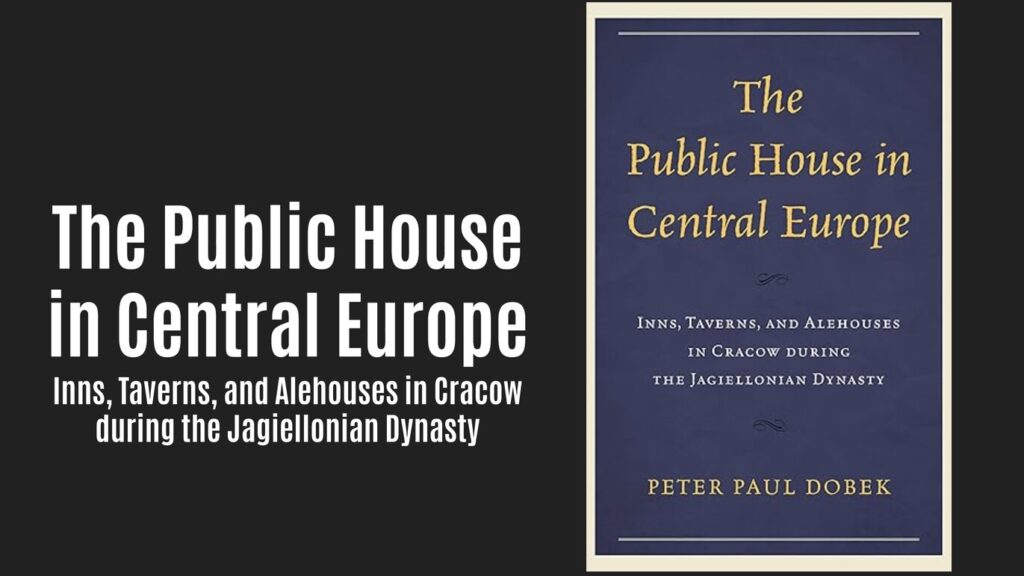
New Medieval Books: The Public House in Central Europe
Public houses—places that sold alcoholic drinks—were a central part of life in Cracow in the fifteenth and sixteenth centuries. This book explores how these establishments worked: who owned them, who gathered inside, and how city authorities dealt with disorder when drinking turned into violence.
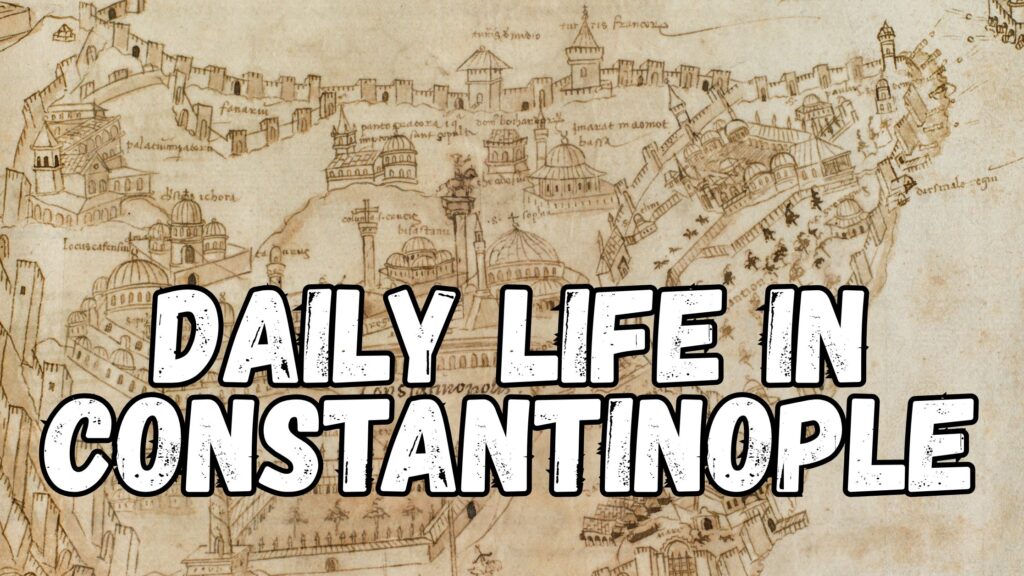
Daily Life in Constantinople: Inside the Heart of the Byzantine World
Explore daily life in medieval Constantinople, from neighbourhoods and housing to markets, guilds, religion, chariot races, and the dangers of fire, plague, and shortages in the Byzantine capital.
Q&A #13: How Do You Write About Joan of Arc?
In the latest Q&A episode of Bow & Blade, Michael and Kelly tackle listener questions on Joan of Arc, standout new books on medieval warfare, and whether Richard III really killed the Princes in the Tower.
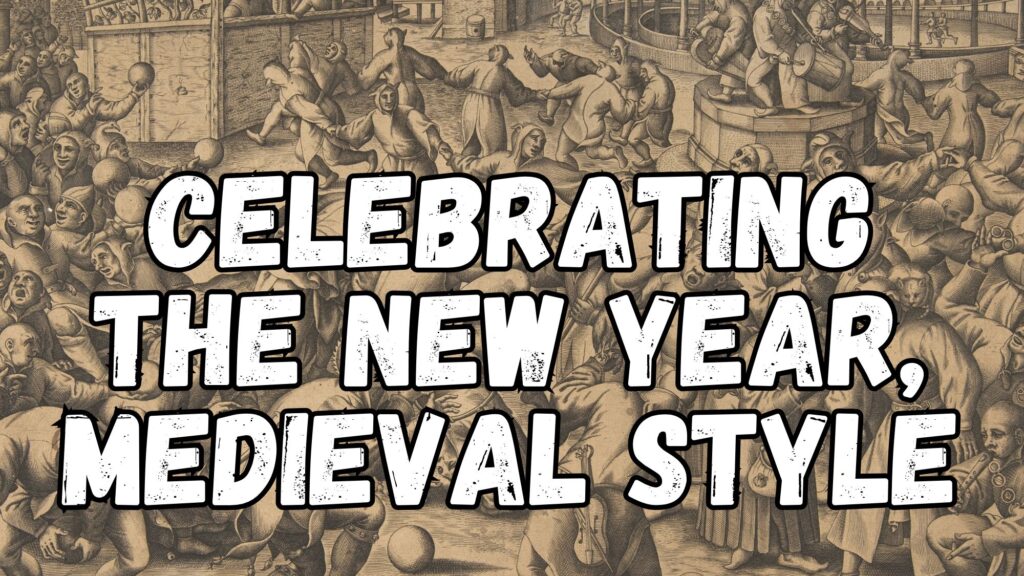
Celebrating the New Year, Medieval Style
How did medieval people mark the passing of the New Year? Well, interestingly enough, it wasn’t always celebrated on January 1st.

10 Medieval Latin Wine Proverbs
Enjoy ten medieval Latin wine proverbs—presented in the original Latin with English translations—ranging from feast-day cheer to sharp warnings about overindulgence.
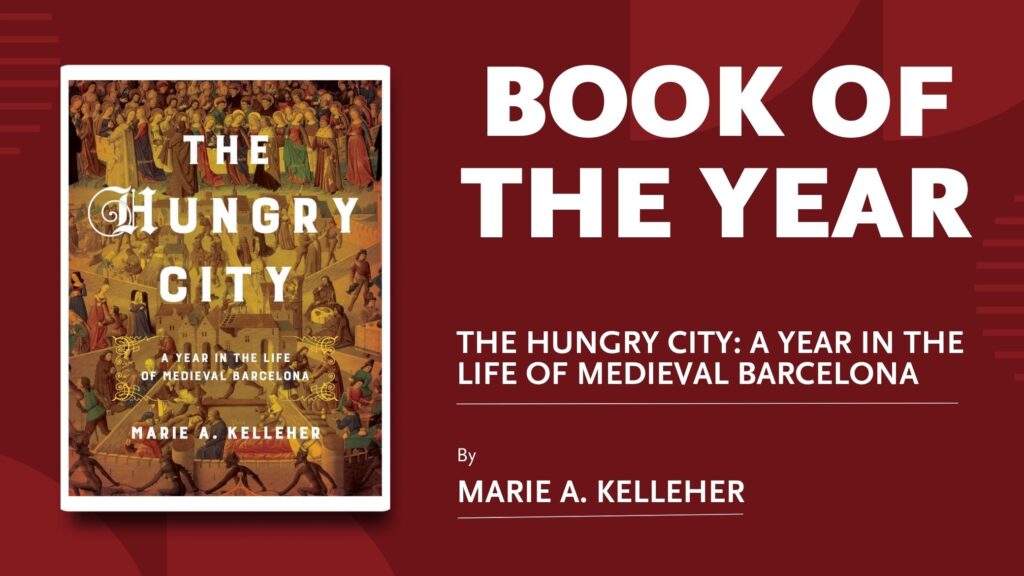
Medieval Book of the Year: The Hungry City
Medievalists.net’s choice for the Book of the Year! This book offers a compelling account of the famine that struck Barcelona in 1333–34, reconstructed through the records of the city’s government. Vividly written yet firmly grounded in the sources, it stands as a fitting culmination of Kelleher’s work as a medievalist.
‘Be on the Lookout for Us’: The Assassins Against Saladin
Assassins struck at Saladin twice in 1175–1176, using disguise, surprise, and terror as weapons of statecraft. Chroniclers recount near-misses, propaganda spin, and a tense settlement that brought peace without trust.