Benchmarking medieval economic development: England, Wales, Scotland, and Ireland, circa 1290
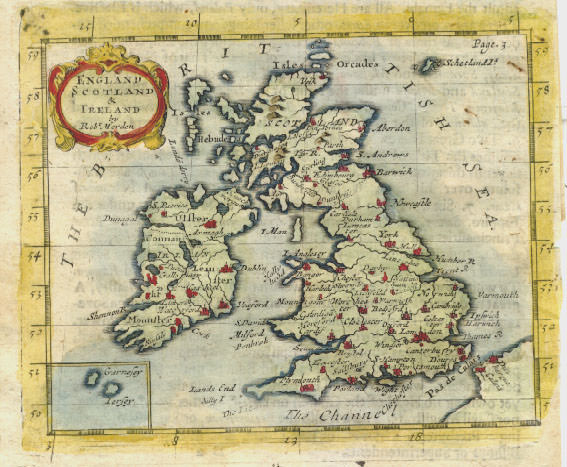
Estimates are assembled for England, Wales, Scotland, and Ireland, and for Britain and Ireland as a whole, of the numbers of religious houses, regular clergy, parishes, towns of more than 2,000 inhabitants, and townspeople, and the value of dutiable exports and volume of currency at the watershed date of circa 1290

The ‘Buying and Selling of Money for Time’: Foreign Exchange and Interest Rates in Medieval Europe
The best evidence for medieval interest rates comes from government borrowing, and especially the long-term annuities sold by the Italian city-states.

Social Roles and Status of Women in a Norfolk small market Town Heacham 1276-1324
The objective of this paper is to measure the involvement of women in the Heacham local food and drink market and to assess the social differentiation among these working women mentioned in the 43 leet courts (1276-1324 ca.)
The Struggle is Real: Where are the Medieval Economists?!
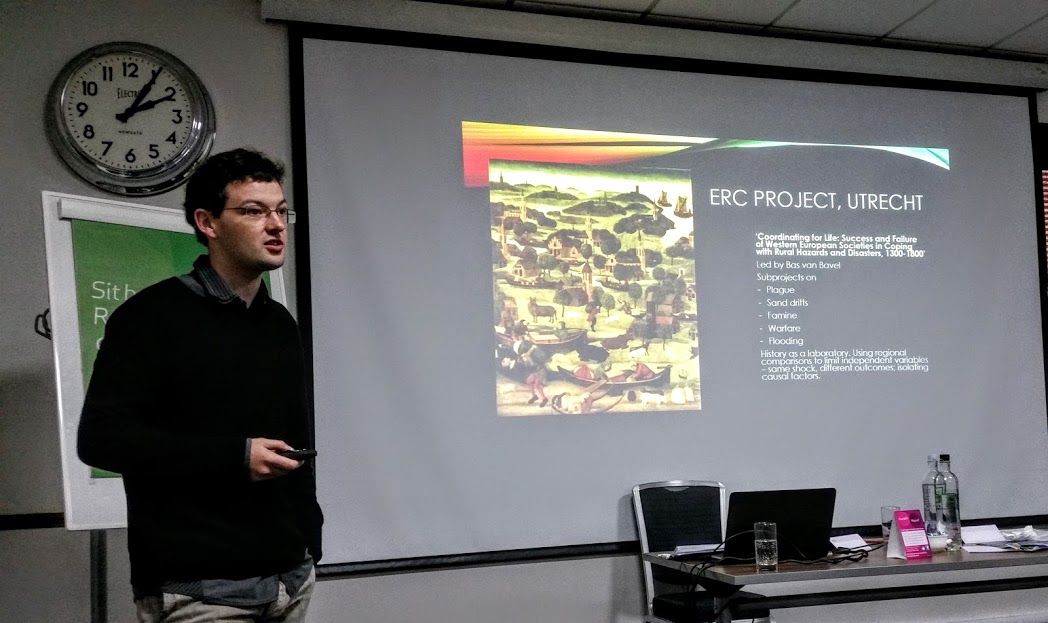
Another fascinating paper from “Making the Medieval Relevant” was given by Daniel Curtis, a specialist in Social and Economic History, and a professor at the University of Utrecht.
Recycling in Britain after the Fall of Rome’s Metal Economy
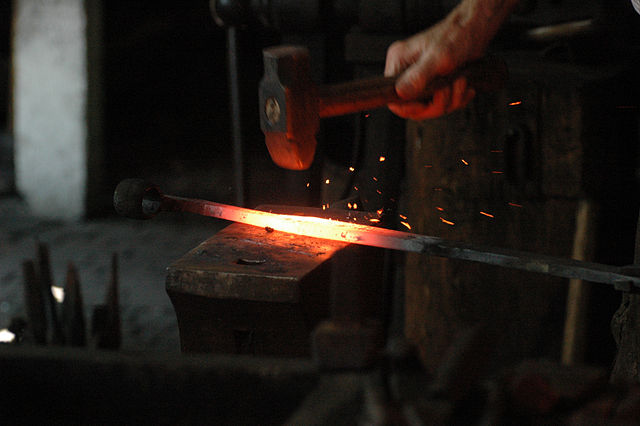
In actual fact, the bulk of contemporary evidence — which happens to be material rather than textual — clearly argues that the people of fifth- and early sixth-century eastern Britain were much more involved in subsistence agriculture than warfare, and that most people during much of this period lived in highly circumscribed worlds in a ranked, rather than a steeply hierarchical, society

Rapid Invention, Slow Industrialization, and the Absent Entrepreneur in Medieval China
For some sixteen centuries, about eight times the length of the period since the onset of England’s Industrial Revolution, China was the source of an astonishing outpouring of inventions that included a vast variety of prospectively valuable novelties as diverse as printing, the blast furnace, the spinning wheel, the wheelbarrow, and playing cards, in addition to the more widely recognized gunpowder and compass.

Why did they stop building tower house castles in Ireland?
One of the most visible reminders of Ireland’s medieval history are the tower house castles that are scattered throughout the country. For centuries they were the homes and fortresses for the native Irish elites as well as the English and Scottish settlers. However, by the early seventeenth-century it seems that they were now being abandoned and left the fall into ruin. What happened?
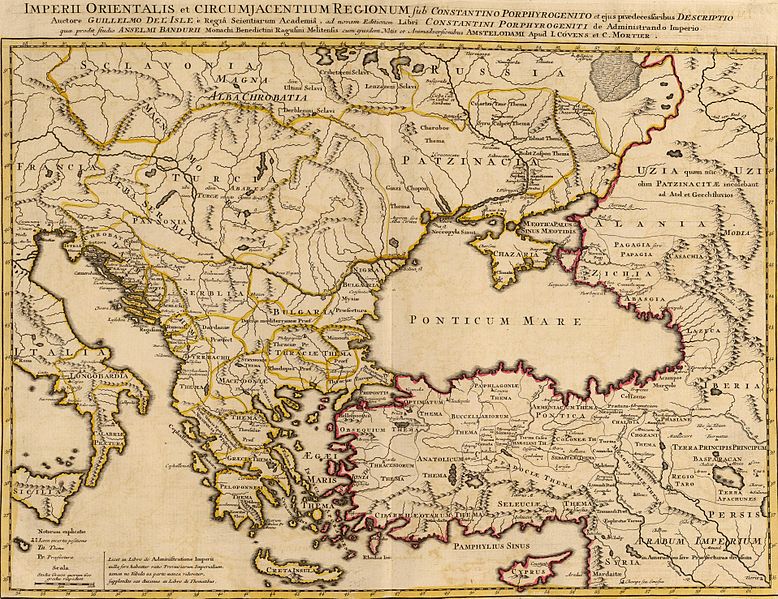
Some Remarks on the Economic Development of the Komnenian Byzantium
The purpose of this article is to identify some of the factors which contributed to this economic revival and rectify the image of Byzantium in the 12th century
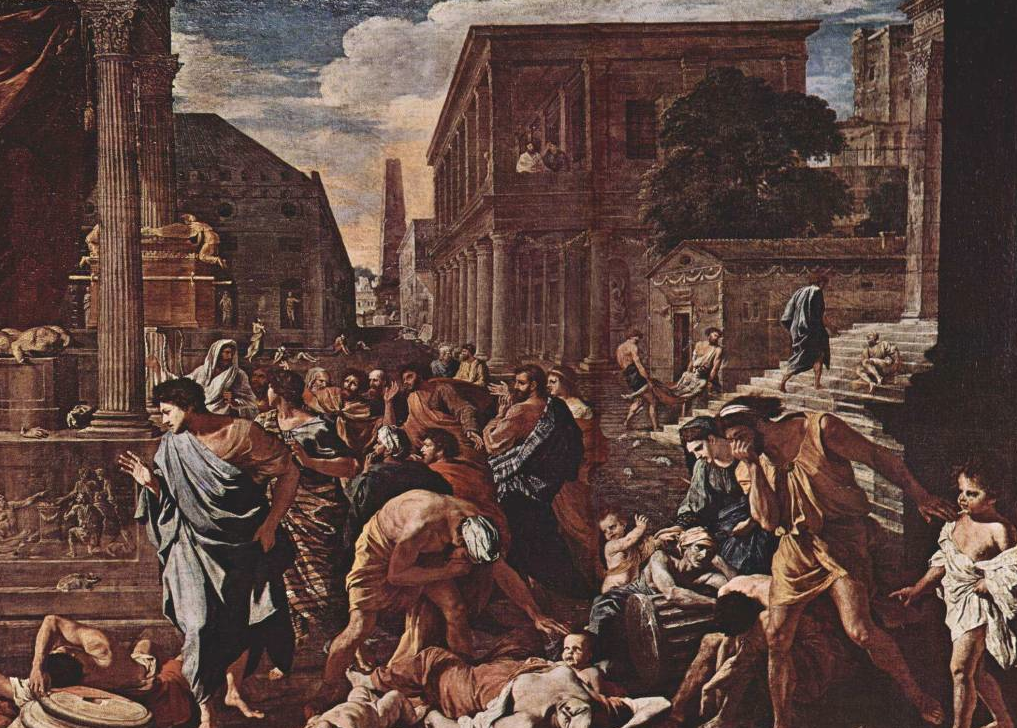
Plague, Settlement and Structural Change at the Dawn of the Middle Ages
The plague of Justinian definitely hit the coastal areas of the lands surrounding the Mediterranean as well as the inland areas connected with the sea
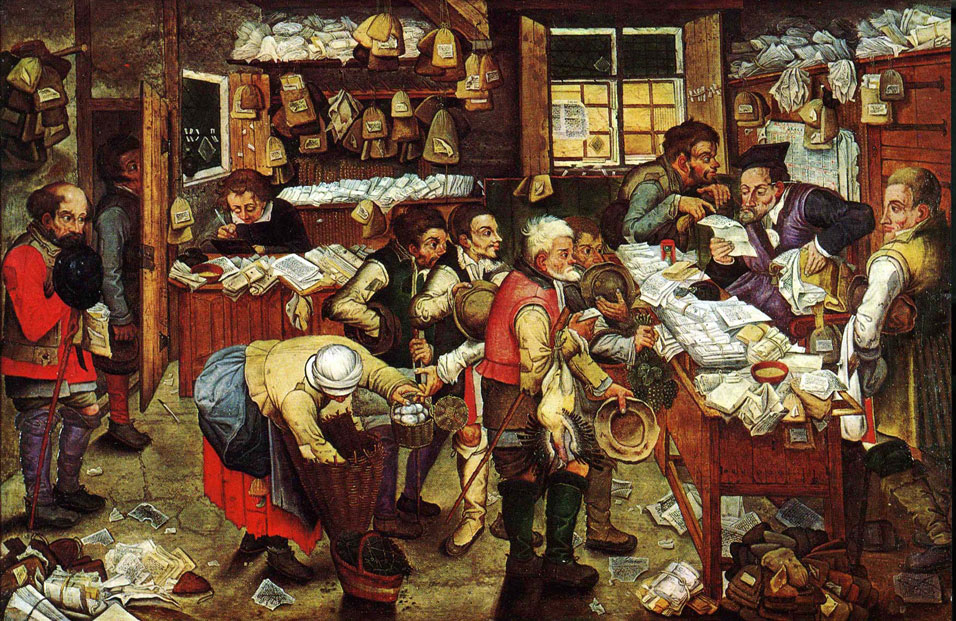
The Rise of a Tax State: Portugal, 1367-1401
This paper uses the case of fourteenth-century Portugal to question a common assumption of “fiscal history” literature, namely the linear relationship between war-related fiscal demands increase the level of taxation.

A monastic landscape: The Cistercians in medieval Leinster
This study endeavours to discuss the Cistercian monasteries of Leinster with regard to their physical location in the landscape, the agricultural contribution of the monks to the broader social and economic world and the interaction between the cloistered monks and the secular world.
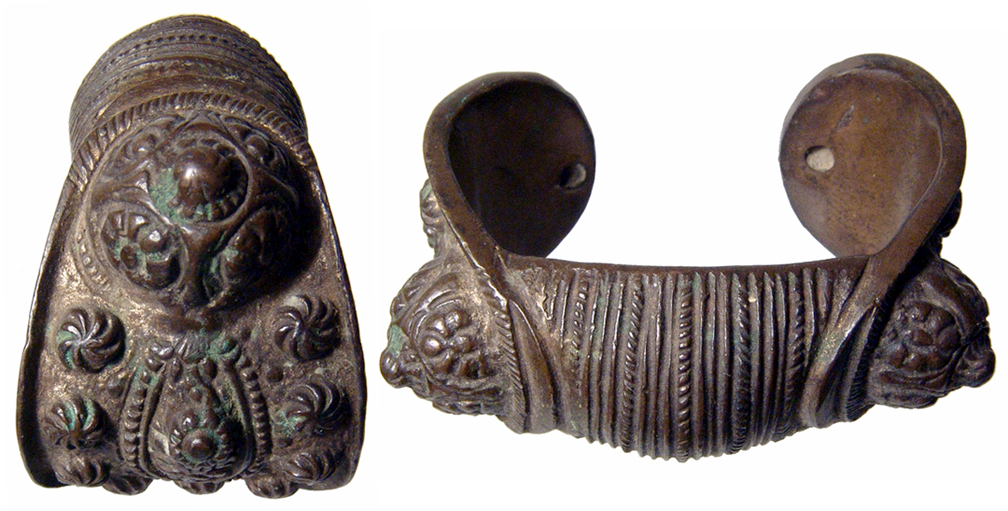
Banditry and the Clash of Powers in 14th-Century Thrace: Momcilo and his Fragmented Memory
In the 14th century, a time of civil wars, religious and dynastic strifes, epidemics, natural disasters and miserable living conditions for the wider strata in the cities and the countryside that increased migratory movements, banditry, an indigenous phenomenon in the Balkan mountainous regions, intermingled with the intensified political struggles.

Castle Building and Its Social Significance in Medieval Hungary
The history of Hungarian fortification and castle-building has been a subject of Hungarian historiography ever since the 1870s, when Bela Czobor wrote his pioneering study, “Hungary’s Medieval Castles.”

Miracula, Saints’ Cults and Socio-Political Landscapes: Bobbio, Conques and post-Carolingian society
Despite the centrality of monastic sources to debates about social and political transformation in post-Carolingian Europe, few studies have approached the political and economic status of monasteries and their saints’ cults in this context, to which this thesis offers a comparative approach.
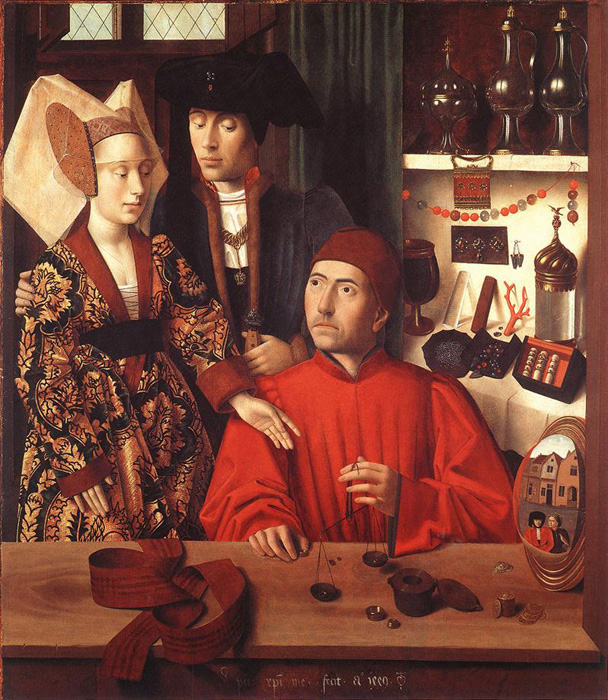
Did Purchasing Power Parity Hold in Medieval Europe?
This paper employs a unique, hand-collected dataset of exchange rates for five major currencies (the lira of Barcelona, the pound sterling of England, the pond groot of Flanders, the florin of Florence and the livre tournois of France) to consider whether the law of one price and purchasing power parity held in Europe during the late fourteenth and early fifteenth centuries.
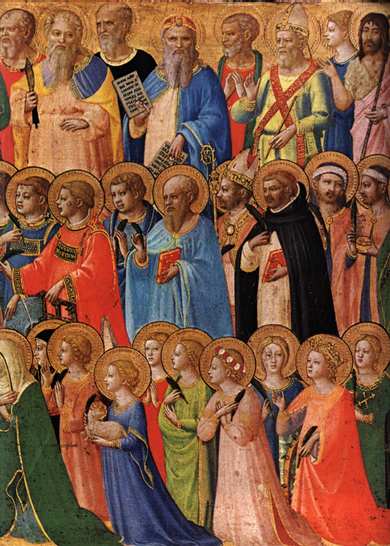
Saints’ Cults in Medieval Livonia
Saints’ cults played a crucial role in medieval society. Although we know very little about the beliefs and rituals of the indigenous peoples of Livonia, either before or after the thirteenth-century conquest, we may assume that the process of Christianization must have caused major changes in their religious practices.
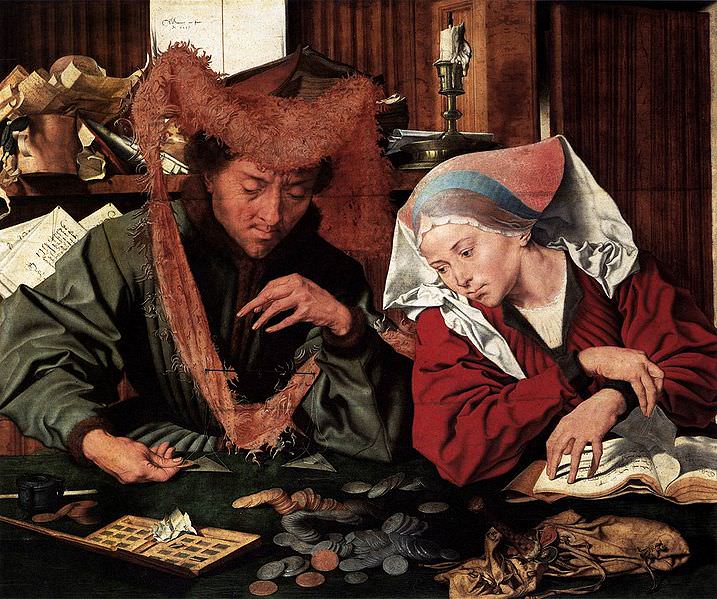
Measuring the Value of Things in the Middle Ages
The difficulty of understanding the value of things in the Middle Ages is one of the obstacles to our understanding of economic life in that era. The issue is first of all associated with the ways medievalists quantify and use numbers. Value was first investigated when studying prices in the 19th century, as a prerequisite to any knowledge of the economy.
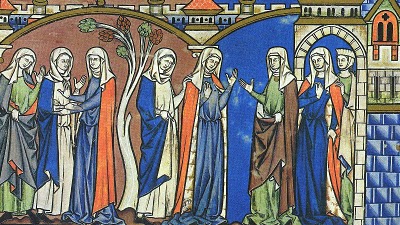
Living la vita apostolica: Life expectancy and mortality of nuns in late-medieval Holland
Living la vita apostolica: Life expectancy and mortality of nuns in late-medieval Holland Jaco Zuijderduijn (Utrecht University ) Centre for Global Economic History:…
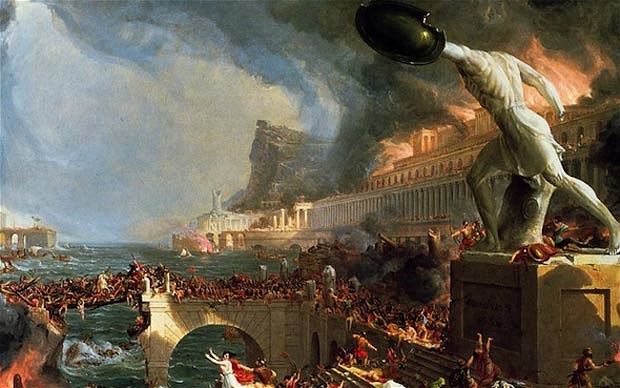
The transition between late antiquity and the early medieval period in north Etruria (400-900 AD)
Traditionally, the idea that the Roman empire ‘declined and fell’ was considered a historical fact, not a matter for debate. The beginning of the ‘decline’ was usually dated to the 3rd or 4th century AD.
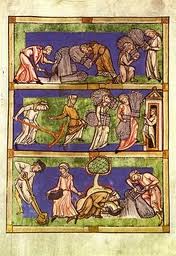
The Economy of Early Medieval Ireland
The Old Irish law tracts have been the subject of many serious studies. In the early twentieth century the forensic philology of the great European Celticists, such as Rudolf Thurneysen or Kuno Meyer, prepared the ground for later philologists, such as Daniel Binchy and Liam Breatnach.
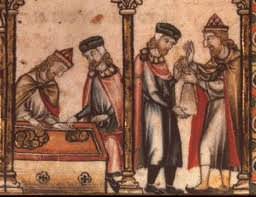
Religion and Economy in Pre-Modern Europe: The Medieval Commercial Revolution and the Jews
Jews have often been described as the moneylenders for medieval Europe and considered central in Europe’s shift from a barter economy to a profit economy. This dissertation challenges that narrative historiographically and empirically.

Christian Iberia: A Society Religiously Organized for War
Reconquista society in medieval Christian Spain is all too often considered through only economic and martial eyes. In this study of the prevelant cult of Santiago de Compostela (or St. James the Greater) I will demonstrate how medieval society meshed both war and religion.
Charlemagne minus Mohammed?
On 28th January it will be 1200 years since Charlemagne died in 814. His legacy was immense.
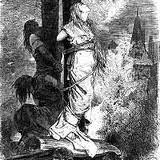
Plague and Persecution: The Black Death and Early Modern Witch Hunts
The century or so from approximately 1550 to 1650 is a period during which witch-hunts reached unprecedented frequency and intensity. The circumstances that fomented the witch- hunts—persistent warfare, religious conflict, and harvest failures—had occurred before, but witch-hunts had never been so ubiquitous or severe.