BOOKS: The Feuding Families of Medieval and Renaissance Italy
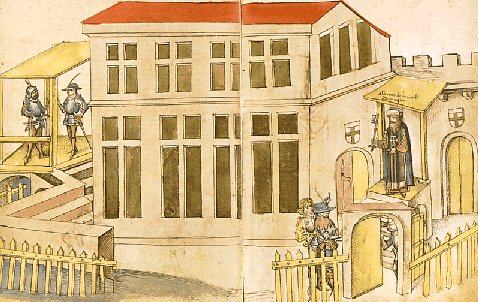
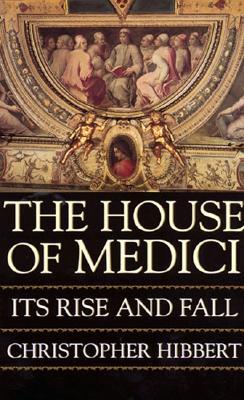
Put down the Godfather, turn off the Sorpanos, and check out the real Italian families of Medieval and Renaissance Italy!

Avignon vs. Rome: Dante, Petrarch, Catherine of Siena
In the fourteenth century the image of ancient Rome as Babylon was transformed into the positive idea of Rome as both a Christian and a classical ideal.
The Woman who Ruled the Papacy
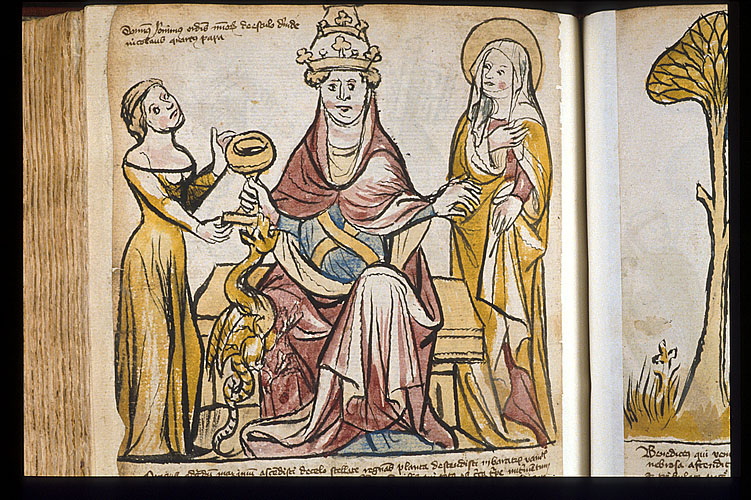
She was the lover of one Pope, mother to another, and grandmother to a third.
Sodomy and the Knights Templar
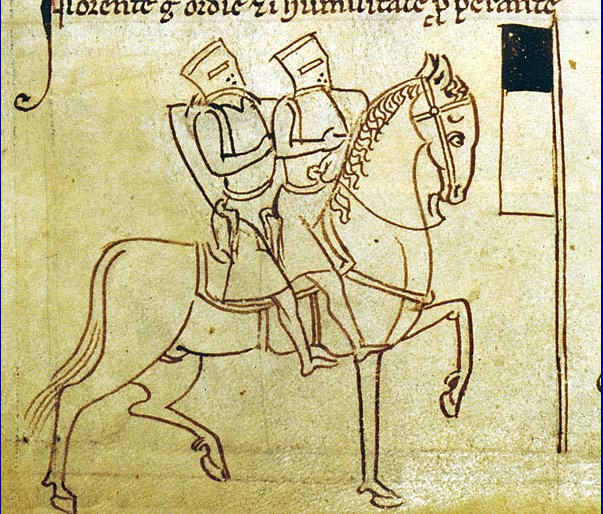
In this article, I will analyze testimony relevant to the charges of the Inquisition that members of the order of Knights Templar throughout Christendom practiced homosexual acts of various sorts from illicit kisses to sodomy.

Manuel II Palaeologus in Paris (1400-1402): Theology, Diplomacy, and Politics
The end of the fourteenth century found the Byzantine Empire in a critical state.

The First Jubilee
How did this tradition of Papal Jubilees start in the Middle Ages?

Boniface VIII and Philip IV: Conflict Between Church and State
During the middle ages there were conflicts between church and state. From 1294-1303 Boniface VIII and Philip the IV, king of France had such an issue.
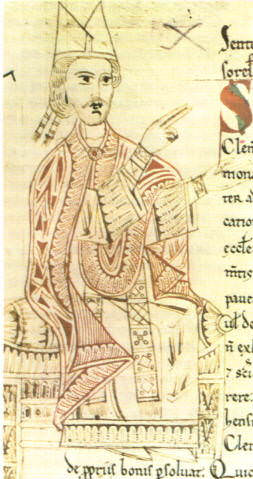
Pope Gregory VII: A Church Reformer
By the time that Hildebrand was appointed Pope Gregory VII, the Church was in dire need of change and direction.

The Montfortian bishops and the justification of conciliar government in 1264
In 1266, five English bishops were suspended from office for supporting Simon de Montfort, earl of Leicester, in rebellion against King Henry III.
Regnum et sacerdotium in Alsatian Romanesque Sculpture: Hohenstaufen Politics in the Aftermath of the Investiture Controversy (1130-1235)
Although no longer preserved today, a series of paintings in the St. Nicholas chapel of the Lateran palace in Rome incurred Frederick Barbarossa’s wrath because they presented his predecessor, King Lothar of Supplinburg (1025-1137), in a submissive position as the pope’s vassal
Simoniaca Heresis
With Gregory the Great (pope, 590–604) the expression simoniaca heresis becomes a frequently used phrase.
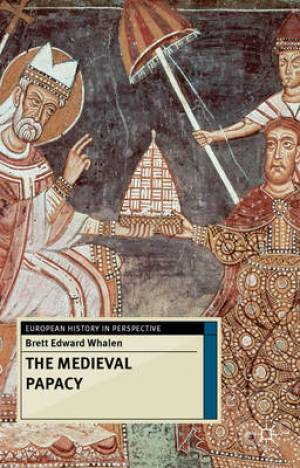
The Medieval Papacy, by Brett Whalen
The Medieval Papacy explores the unique role that the Roman Church and its papal leadership played in the historical development of medieval Europe.
The Italian Giant Bibles, Lay Patronage, and Professional Workmanship
Eleventh-century Umbro-Roman Giant Bibles were commissioned by varied church and lay patrons (and not only by Roman reform- party adherents) and crafted by ad hoc assemblies of paid craftsmen using methods of carefully calibrated, synchronous copying to reduce production time for the single commission.

The Sermon of Urban II in Clermont and the Tradition of Papal Oratory
The speech that Pope Urban II delivered at Clermont in 1095 to launch the First Crusade is probably one of the most discussed sermons from the Middle Ages.
Church Reunification: Pope Urban II’s Papal Policy Towards the Christian East and Its Demise
What separates this brief work from that of previous historians is that it focuses on the formation and changes of papal policy in regards to the Eastern Orthodox Church during the First Crusade, exclusively.

The Legend of the Female Pope in the Reformation
Though no one believed she reigned with divine approval, for the reformers of the fifteenth and sixteenth centuries, the female pope was indeed a godsend.
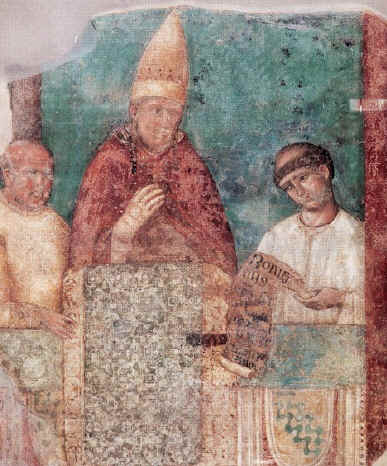
The attempted trial of Boniface VIII for heresy
How do you accuse a sitting Pope of being a heretic?
‘Cast out into the hellish night’: Pagan Virtue and Pagan Poetics in Lorenzo Valla’s De voluptate
Valla wrote about Epicureanism before the Renaissance rediscovery of classical Epicurean texts. Poggio Bracciolini had not yet circulated his newly-discovered manuscript of first century Epicurean philosopher Lucretius’ De rerum natura, and Valla wrote without access to Diogenes Laertius’ Lives of the Philosophers, which discussed Epicurus’ teachings in greater detail.
Louis the Pious and the Conversion of the Danes
This paper was part of a very interesting session on the Early Middle Ages. The papers covered Eastern European Infant Burial, the archaeology of medieval feasting and conversion. This paper contrasted the conversion policies of Charlemagne versus those of Louis the Pious.

Kongo Ambassadors, Papal Politics, and Italian Images of Black Africans in the Early 1600s
While the political and economic power of Italian states was declining in the Seventeenth Century, Italy’s cultural authority remained influential, especially in the visual arts and, of course, religion, even though Europe had been split into faith-based fragments by the Protestant Reformation after 1517.
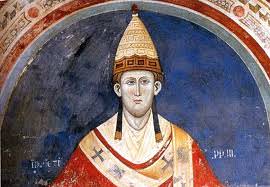
How the Bishop of Rome Assumed the Title of “Vicar of Christ”
Actually, we’re going to answer that question right here by stating that if we look to any century for such a development, we would probably point to the 12th century.
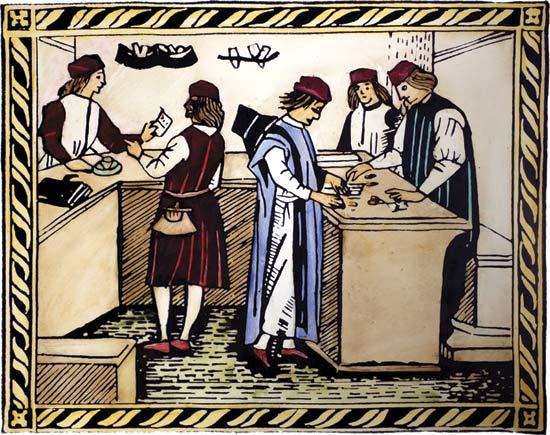
Lodovico Capponi: A Florentine Banker and a Lending Transaction in 16th Century Florence
This paper examines how loans transpired in early 16th century Italy, taking a look at a specific transaction involving Lodovico Capponi of Florence and the Vatican in Rome.
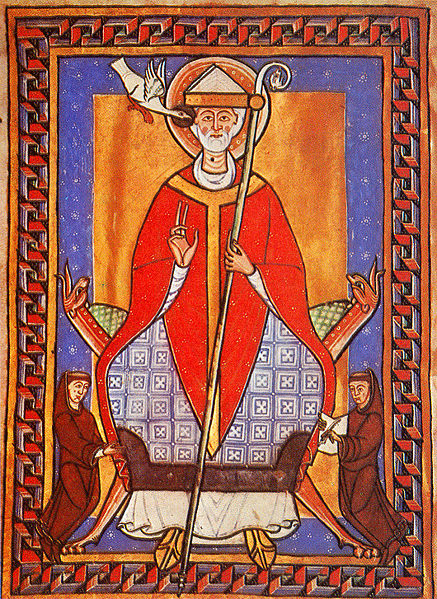
Electing Popes: Approval Balloting and Qualified-Majority Rule
This article demonstrates that successive reforms in the rules for electing popes during the Middle Ages can be explained as a series of rational responses to political problems faced by the Church and by successive electors