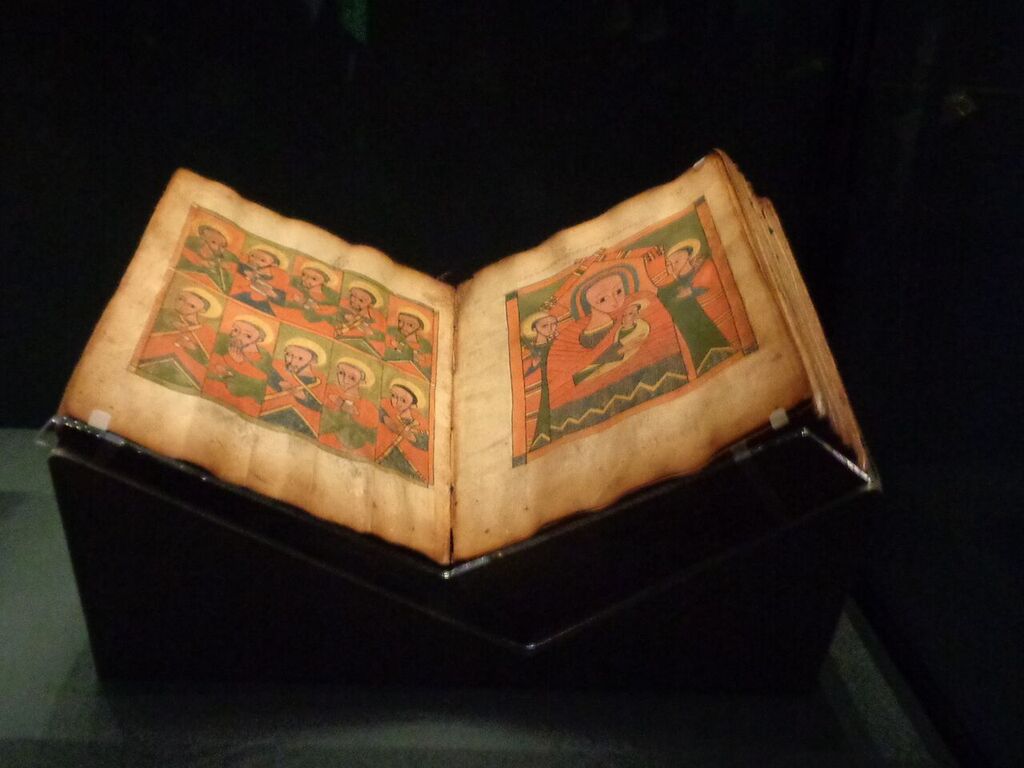
Medieval History, Explosive Volcanism, and the Geoengineering Debate
By studying historical explosive volcanism, medieval history provides a laboratory for understanding the climatic and societal impacts of geoengineering in the form of reports of extreme weather and societal stresses such as subsistence crises and even conflict arising from scarcity induced resource competition

A life well lived in the tenth-century
‘There is nothing that befalls travelers of which I did not have my share, barring begging and grievous sin.’

Fitting Medieval Europe into the World: Patterns of Integration, Migration, and Uniqueness
This essay explains different patterns demonstrating how medieval Europe was situated in global visions of the world.

A Transient Pulse of Genetic Admixture from the Crusaders in the Near East Identified from Ancient Genome Sequences
Human migrations, which often accompanied historical battles and invasions, have profoundly reshaped the genetic diversity of local populations in many regions.

Mapping European Population Movement through Genomic Research
This article reviews scientific publications that have attempted to use genetic and genomic data in order to investigate European migrations between the fourth and ninth centuries.
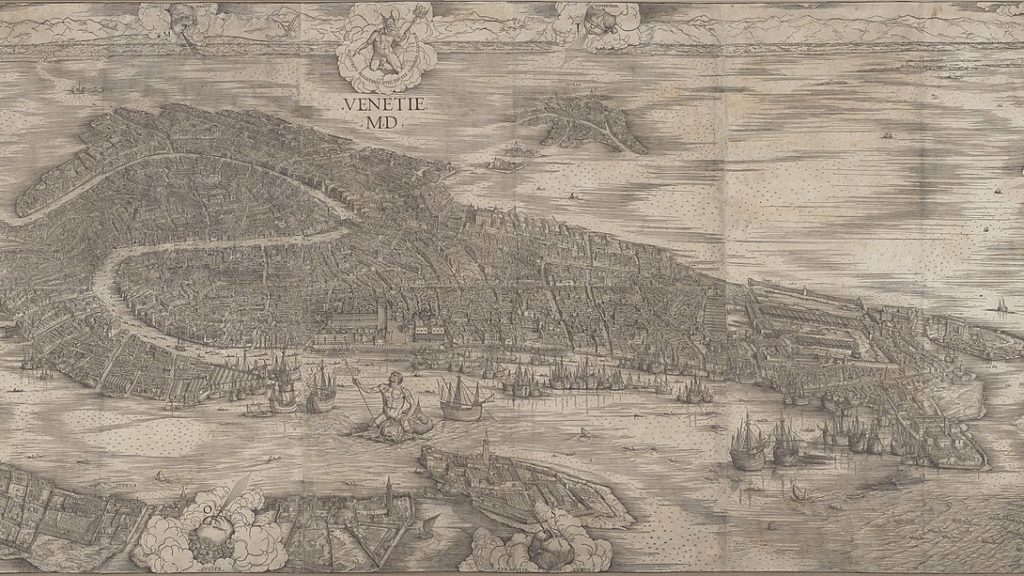
Jacopo de’ Barbari’s ‘View of Venice’ (1500): Image Vehicles Past and Present
This essay focuses on an iconic and ground-breaking woodcut – Jacopo de’ Barbari (c. 1460/70–1516) and Anton Kolb’s View of Venice (1500) – and an interactive museum installation that I first developed for Duke University’s Nasher Museum of Art.

500 Years after the First Voyage around the World: Secrets of the Atlas Miller
This is the secret of the Atlas Miller: it tries to counter the idea that the world could be circumnavigated.

Portolan Charts from the Late Thirteenth Century to 1500
From the earliest extant copies, probably a little before 1300, the outline they gave for the Mediterranean was amazingly accurate.

Linking Seas and Lands in Medieval Geographic Thinking during the Crusades and the Discovery of the Atlantic World
If medieval writers understood the interplay between land and sea similar to modern research, what role did the complementary character of land and sea routes actually play in medieval geographic thinking?

Journey Around the World with the Universal Atlas of Fernão Vaz Dourado
Explore the beautiful maps made by Fernão Vaz Dourado for his 1571 atlas – taking us from the coasts of the Americas to Indonesia islands visited by Magellan.
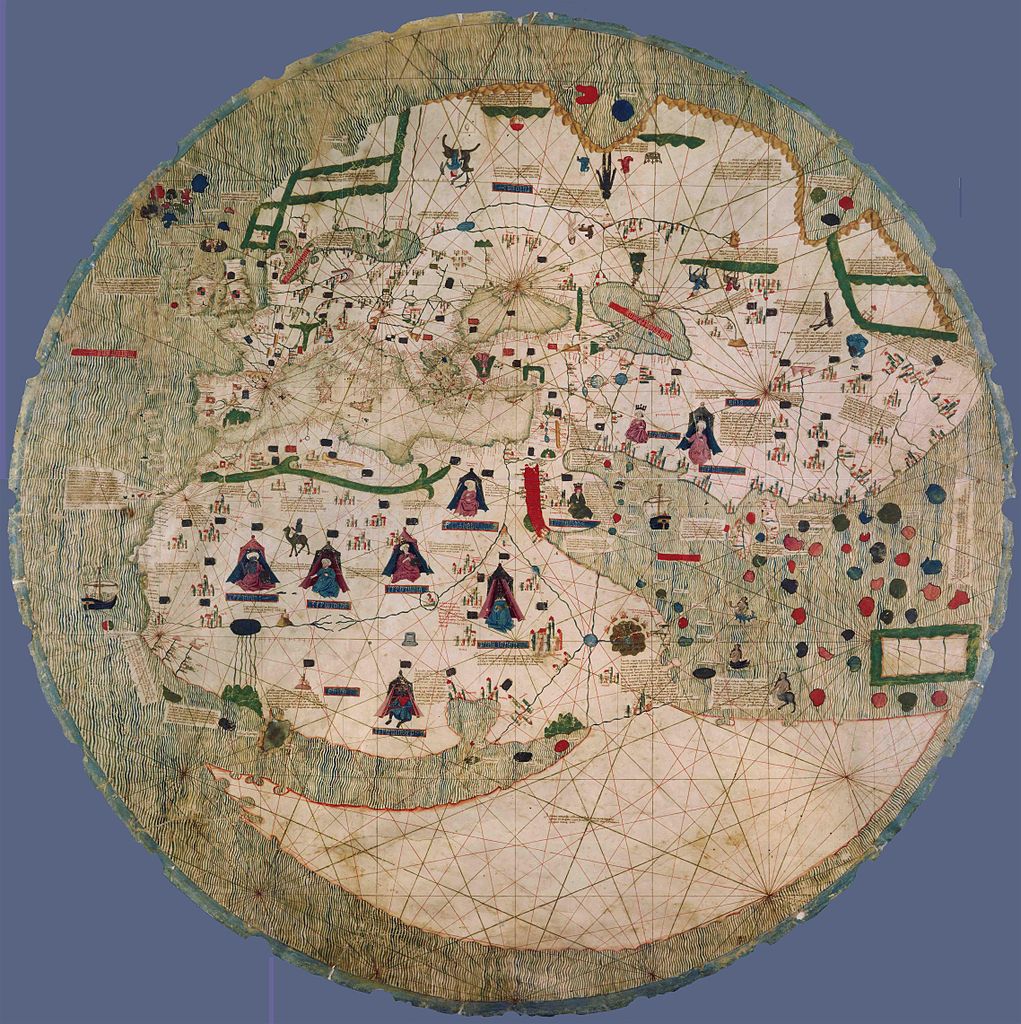
Geographies of Salvation: How to Read Medieval Mappae Mundi
Scholars who judge mappae mundi by medieval standards usually emphasize the salvific over the practical aspect. But were mappae mundi truly not ‘realistic’?
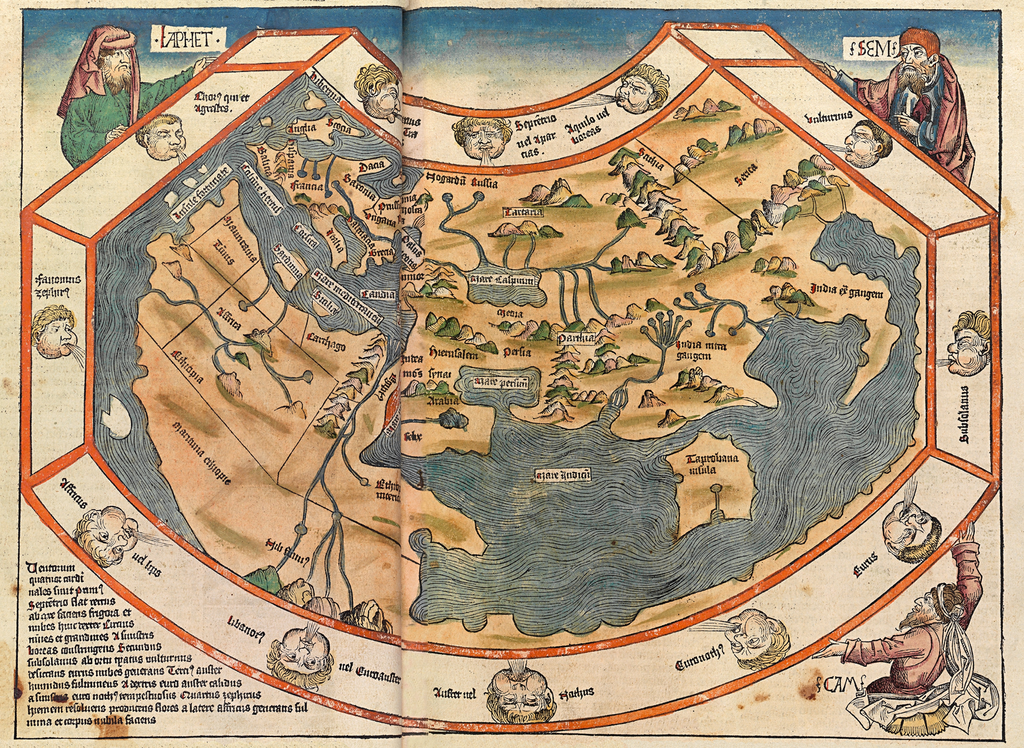
Maps, Monsters and Misericords: From Creation to Apocalypse
This survey of maps and misericords suggests that the other has persistently been envisioned as strange and threatening and thus a constant challenge that tests morality.
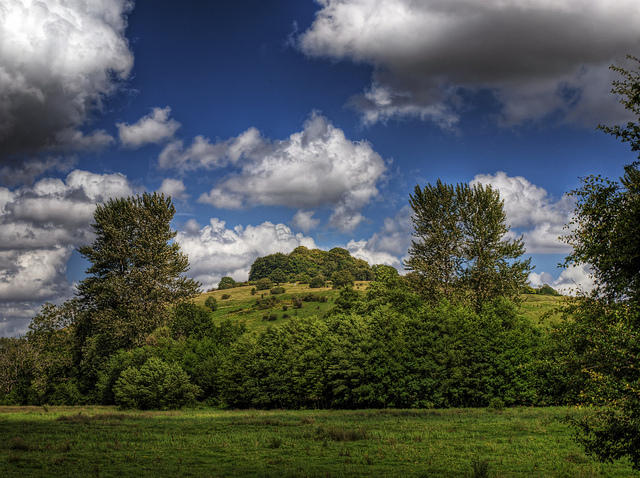
The return to hill forts in the Dark Ages: what can this tell us about post-Roman Britain?
After being abandoned for nearly 400 years, some of the ancient Iron Age hill forts were re-occupied and re-fortified in the later fifth and early sixth centuries. Interestingly, some ‘new’ hill forts were also erected at this time.
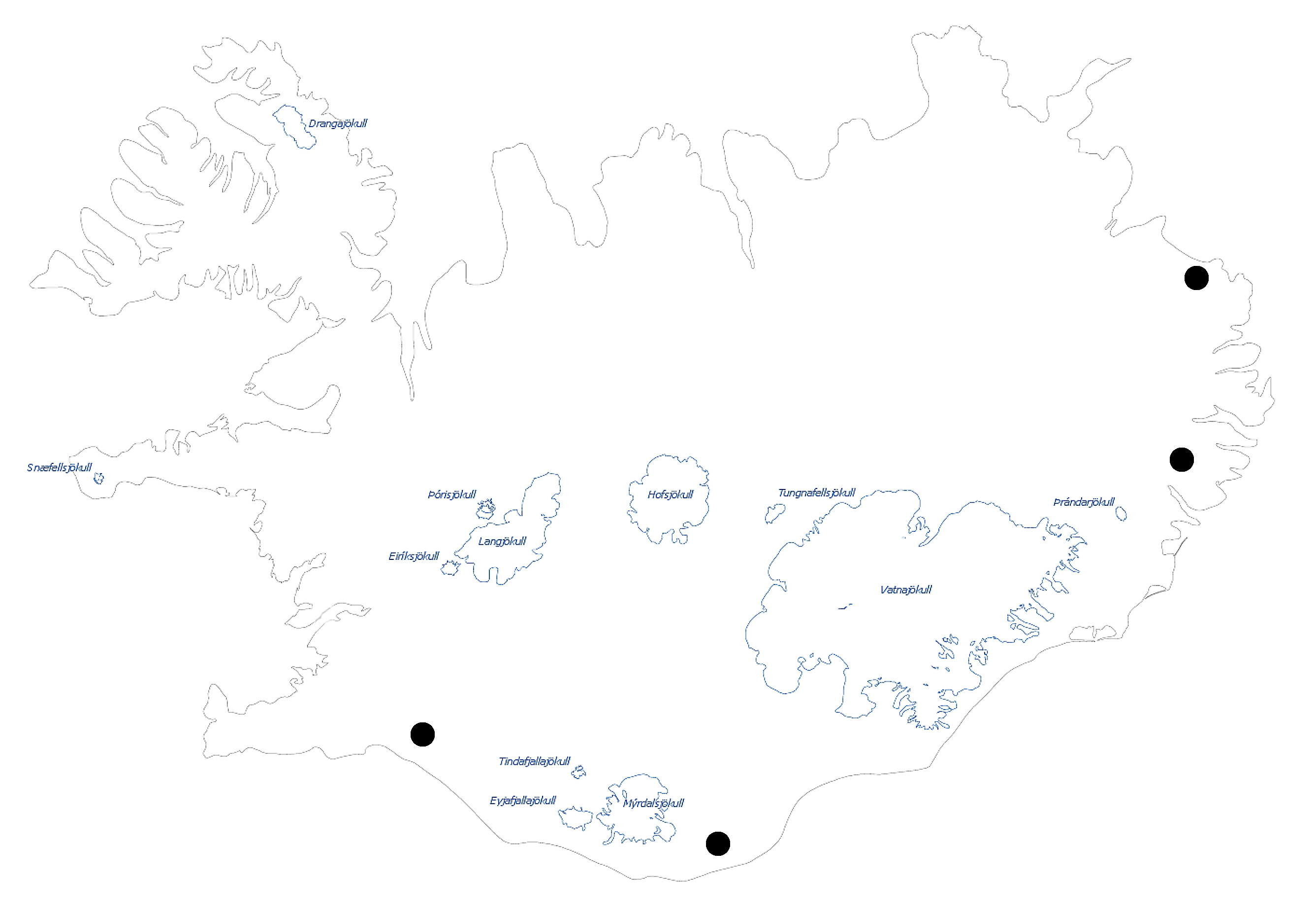
New Yorkers in Viking Age Iceland
In Iceland, there are four settlement sites that answer to the name of Jórvík – and all of them probably are Viking Age foundations named after the Old Norse name of York: Jórvík. So basically, there are four ‘New Yorks’ in Iceland.
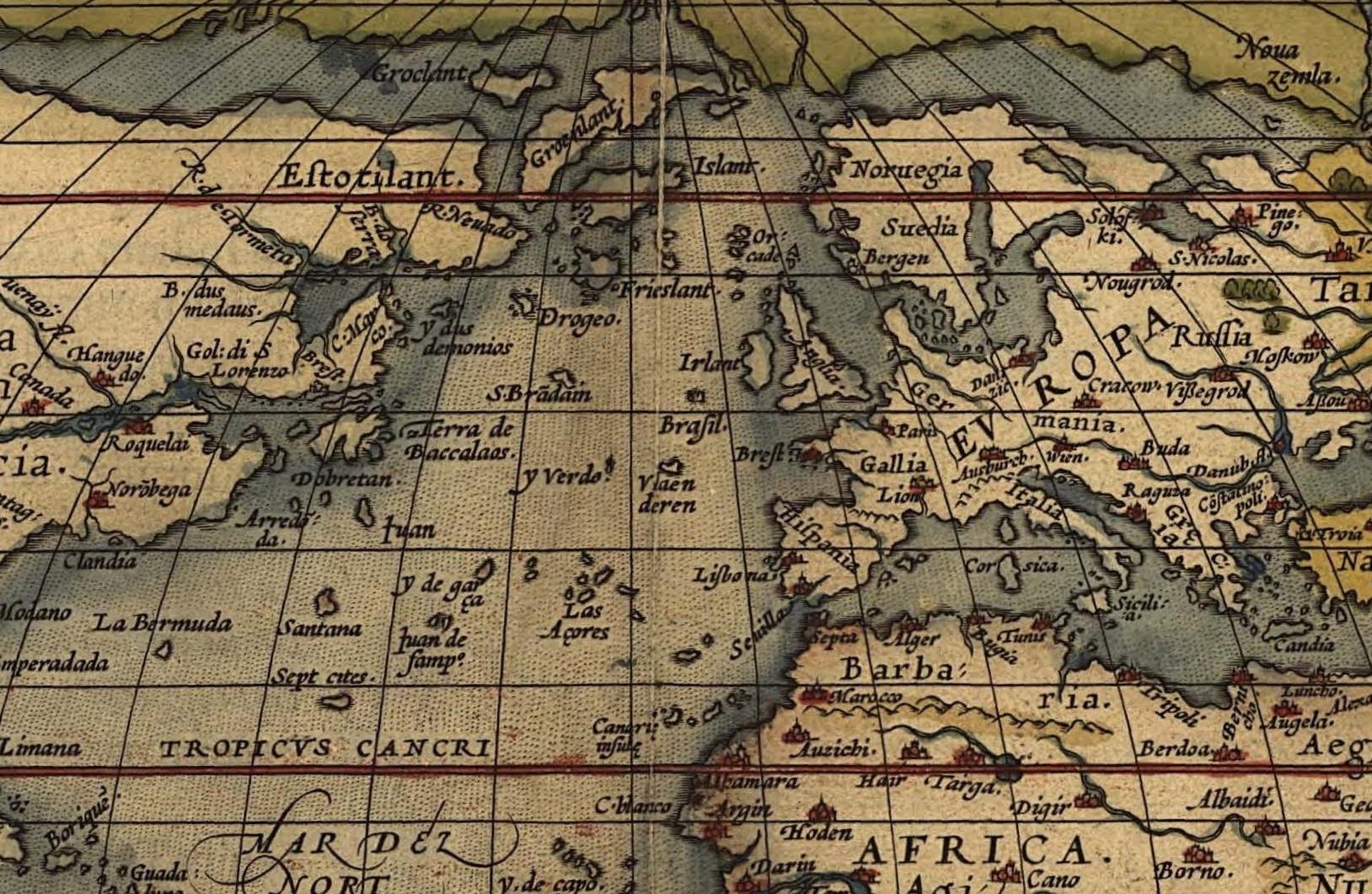
When the Atlantic Ocean had many islands: The mythical and miraculous places west of medieval Europe
Why medieval people did not accept that the vast space in the Atlantic Ocean between the Old World and the New could truly be an empty one.
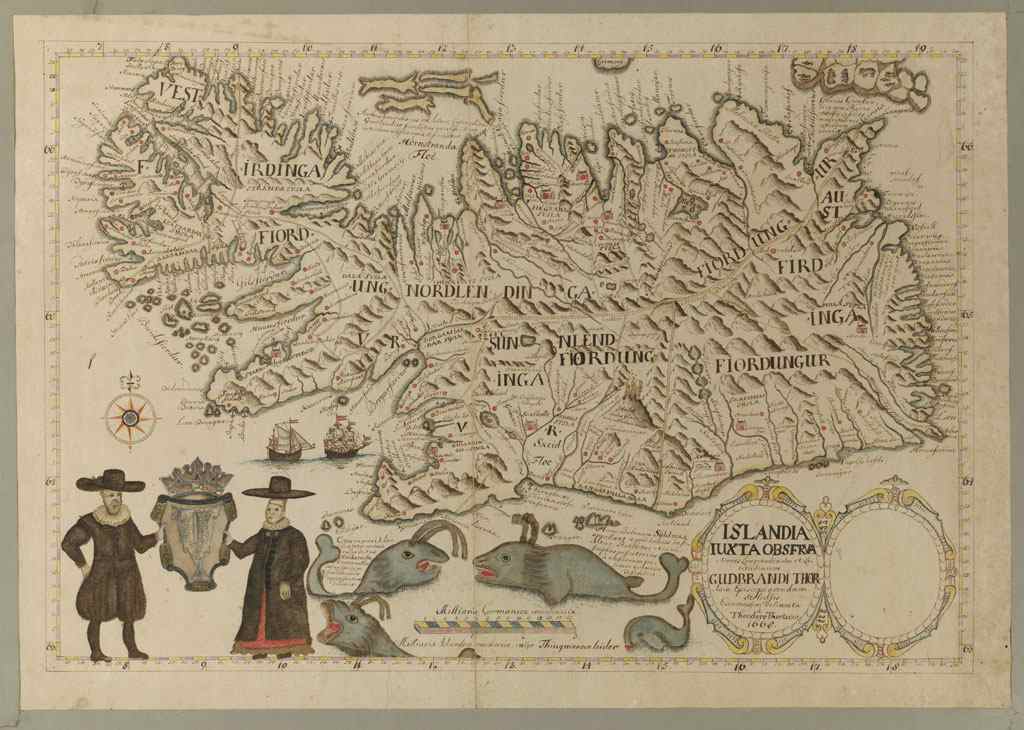
The Legendary Topography of the Viking Settlement of Iceland
This paper focuses on Icelanders’ myth of origin as presented in the various Landnámabók redactions, and explores how a largely fictional medieval text can assert ownership and control over territory, and ultimately contribute to the creation of a legendary topography.
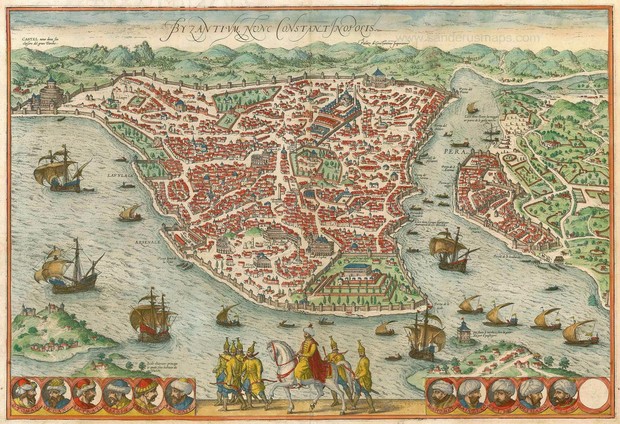
Defining Constantinople’s Suburbs through Travel and Geography
This paper considers these challenges as they relate to the suburbs of Constantinople and, in doing so, it seeks to offer some reflections on the ways in which various conceptions of geography, space, and spatial practice can inform late antique suburban studies.
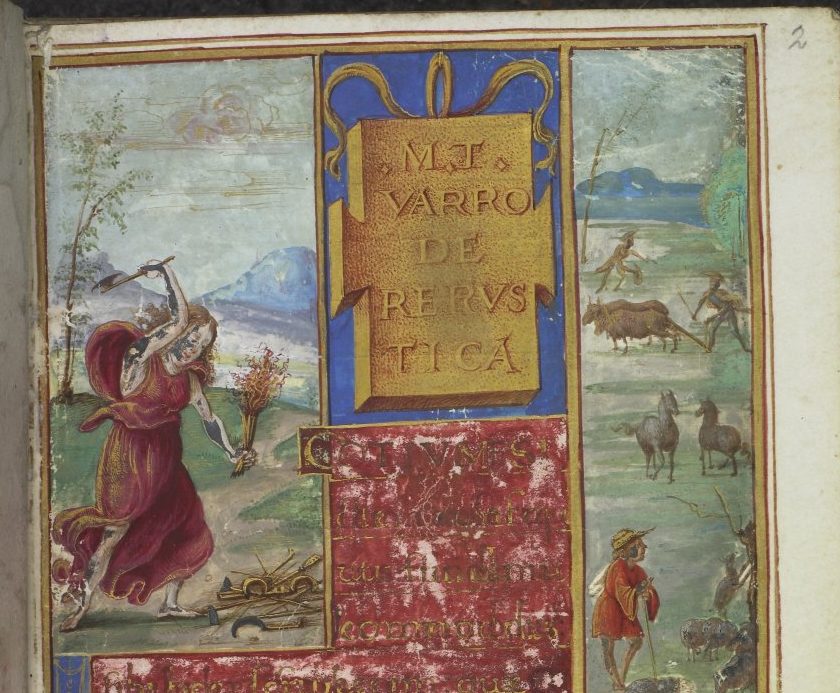
Wasteland: Buffer in the Medieval Economy
At the end of the Roman period the area of wasteland seems to have increased. Since the increase or decrease in wasteland is closely linked with the economy in general, we can discern several periods of decline and growth.
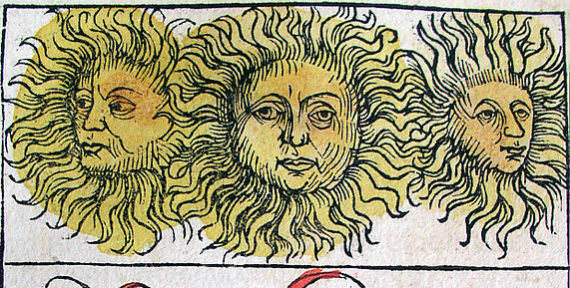
Perceptions of Hot Climate in Medieval Cosmography and Travel Literature
This article is an attempt to examine bow climate, especially hot weather in exotic locations, was viewed by European travellers and writers in the middle ages.
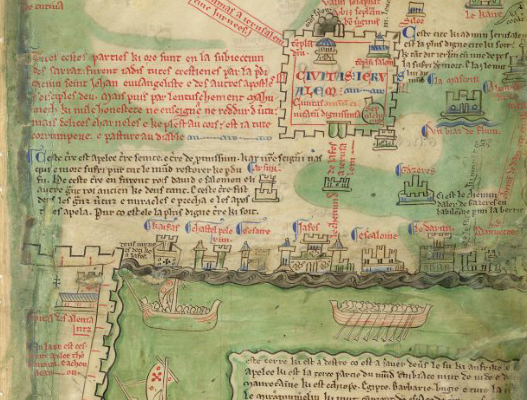
The Oxford map of Palestine in the work of Matthew Paris
He was long-winded, opinionated, cranky, and interested in everything. He moves from politics at court, to the abuses of ecclesiastical power, to foreign relations, to peculiar meteorological and astronomical occurrences, to uncanny incidents.

Mapping the World in Medieval China
This talk looks at the extent of geographic and cartographic knowledge of the world that existed in medieval China.
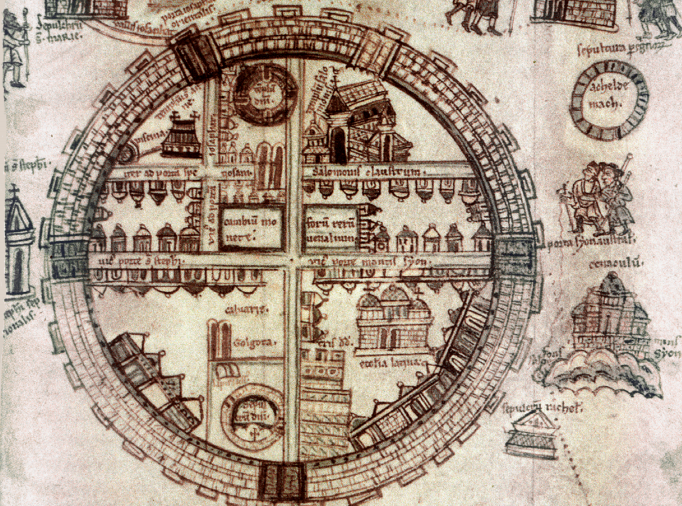
Maps, Travel and Exploration in the Middle Ages: Some Reflections about Anachronism
How were maps conceived in the Middle Ages? Using the words “map”, “travel” and “exploration”, historians must be wary of anachronism.
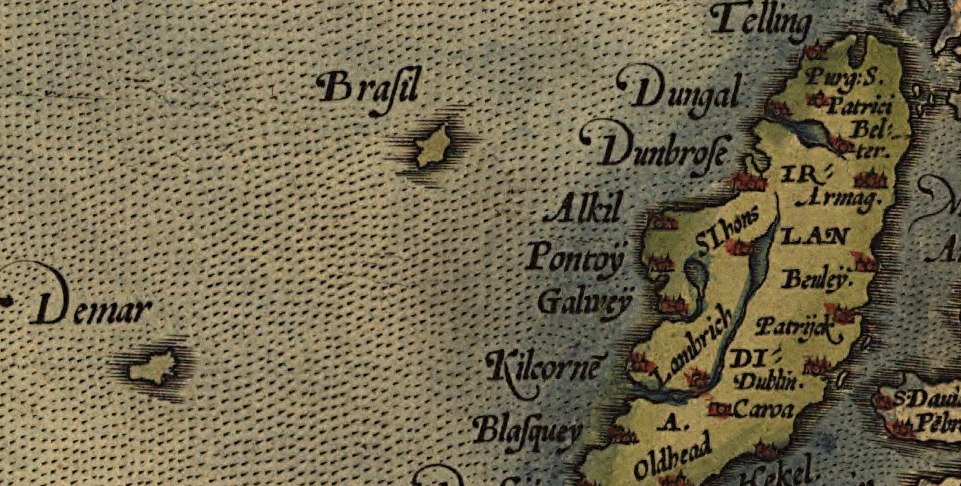
Hy-Brassil: Irish origins of Brazil
The name Brazil is probably the sweetest sounding name that any large race of the Earth possesses

The Battle of Hastings: A Geographic Perspective
The Battle of Hastings is one of the most widely studied battles in medieval history. Yet despite the importance that research shows geography to play in the outcome of such conflicts, few studies have examined in detail the landscape of the battle or the role the landscape played in its eventual outcome.