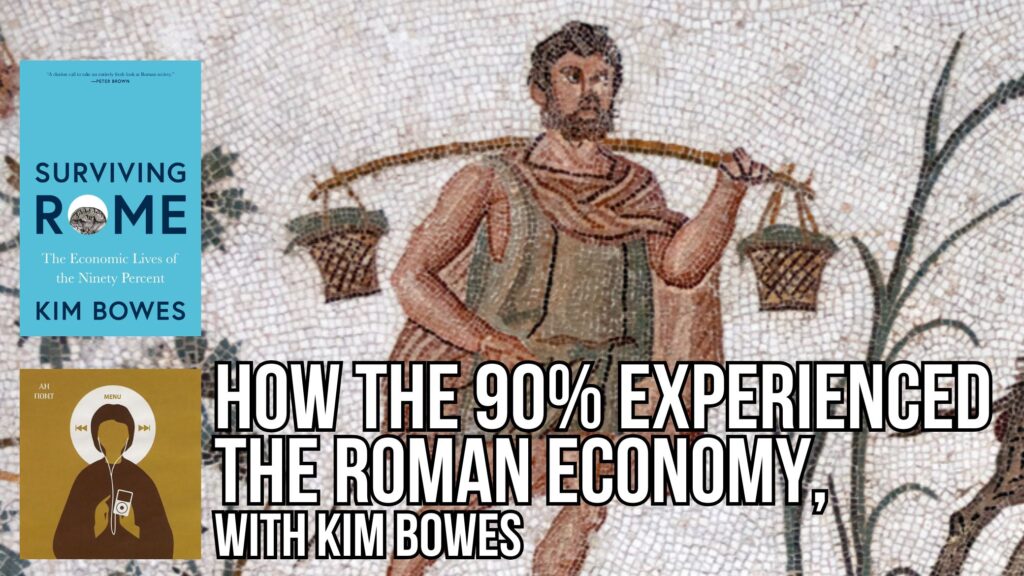
How the ninety percent experienced the Roman economy, with Kim Bowes
A conversation with Kim Bowes about her recent book, Surviving Rome: The Economic Lives of the Ninety Percent, which presents a brilliant new model of the Roman imperial economy, specifically for how the majority of the population experienced it.
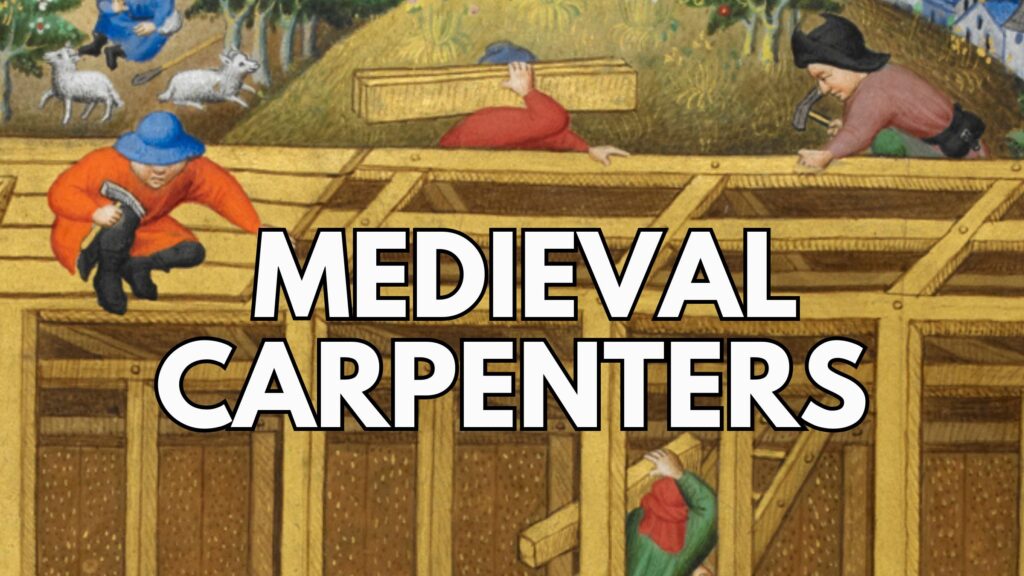
How Carpenters Built Medieval England
New research on medieval carpenters shows how they lived, worked, travelled, and transformed building practices in later medieval England.
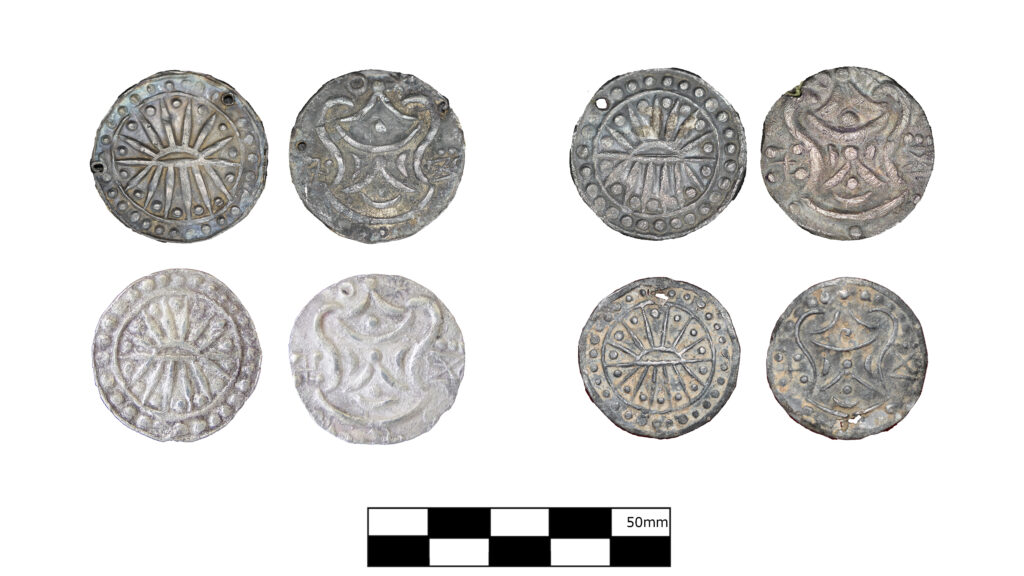
Coins Reveal Medieval Economic Connections in Southeast Asia
Medieval silver coins with shared designs show how Southeast Asia’s economies were connected across vast distances, offering new insights into trade, politics, and cultural interaction.
Ancient Inequality: New Study Measures Wealth Gaps from Rome to Medieval Era
A new study compares income inequality in the Roman, Han, and Aztec empires—revealing that ancient societies were as unequal as today’s most divided nations.
The 10 Most Common Jobs in a Medieval City
Discover the five most common jobs in a medieval city, based on records from fifteenth-century Montpellier. Learn how farmers, carpenters, butchers, shoemakers, and clerics shaped urban life
How to Destroy Your Economy: The Case of Alfonso the Learned
A closer look at how King Alfonso X of Castile—celebrated as “the Learned”—undermined his own kingdom through overambitious spending, aggressive economic controls, unstable currency, and heavy taxation. It reveals how one of medieval Spain’s most intellectual rulers engineered an economic collapse.
The Viking Economy Explained: Barter, Hacksilver, and Coinage
Discover how the Viking economy evolved from barter and prestige goods to hacksilver and coinage, using hoards to trace changing trade practices in medieval Scandinavia.

The Worst Jobs in the Middle Ages
What did medieval people think were the worst jobs you could have? The answers will surprise you.

Medieval church building-boom took place in the 12th century, study finds
A recent study looking at the construction history of churches during the Middle Ages has found that a building boom took place in Western Europe during the 12th century.

New Medieval Books: The Donkey and the Boat
There is a good chance that The Donkey and the Boat will be one of the most important books in medieval studies for 2023.
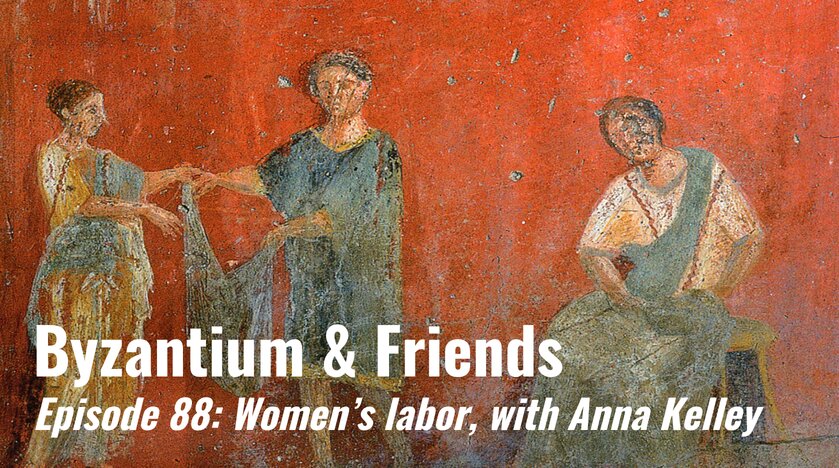
Women’s labor, with Anna Kelley
A conversation with Anna Kelley about women’s labor and occupations in the Roman and later Roman Empire. It turns out that they may have engaged in more types of business and workshop production, especially in textile manufacture and marketing, than contemporary gender norms suggest.
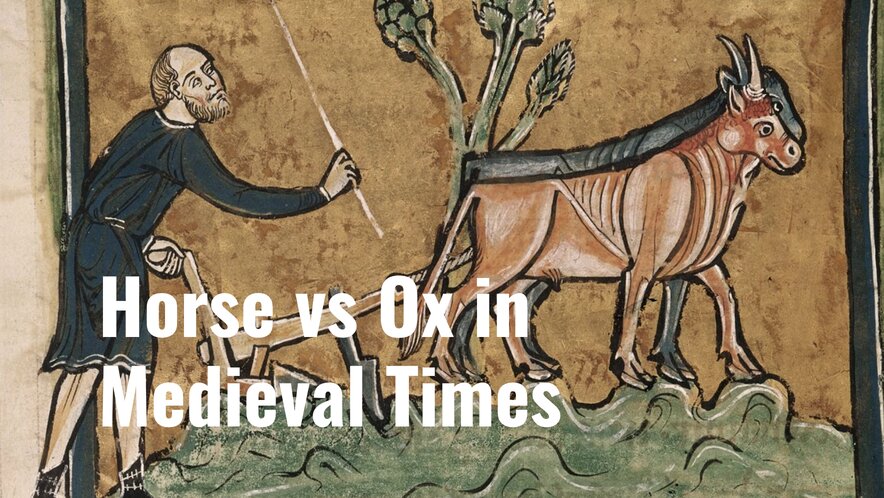
Horse vs Ox in Medieval Times (And Horse Power vs Horsepower Today)
Up until late medieval times, the ox is preferred to the horse on farms mostly because the animal is cheaper to own and maintain even though the horse is capable of performing and helping with a greater variety of tasks beyond helping to plow fields, and these other functions of the horse include hauling things such as produce and tools and possibly being used for traveling, herding, and hunting if necessary.
How Thomas Aquinas Influenced Economic Theory and Practice
Views on just prices and marketplace behavior from a thirteenth-century saint.
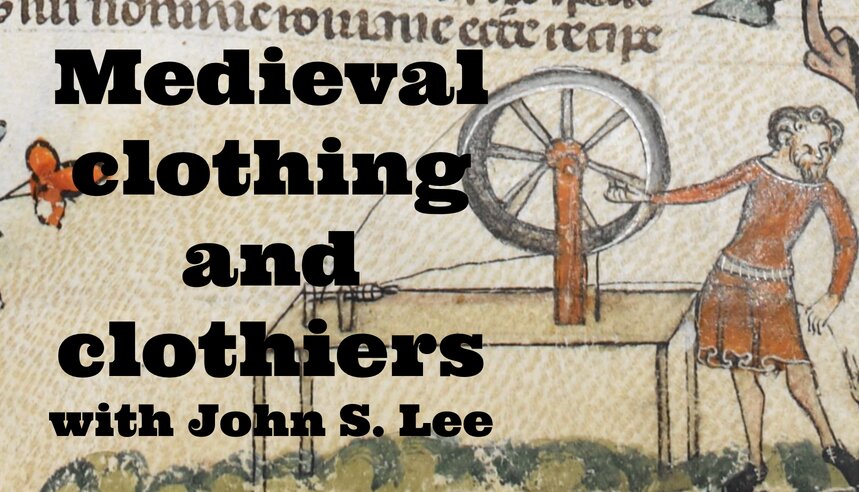
Medieval clothing and clothiers with John S. Lee
Clothing is a vital part of both our identities and our economies. So, how was cloth made and distributed in the Middle Ages? This week, Danièle speaks with John S. Lee about medieval cloth-making, and the role of the medieval clothier.

‘The big problem of the petty coins’, and how it could be solved in the late Middle Ages
To the modern eye, late medieval monetary systems exhibit a number of baffling complexities

Medieval Property Investors, ca. 1300–1500
The subject of this article is the role of freehold land and property in the developing commercial economy of the fourteenth and fifteenth centuries.
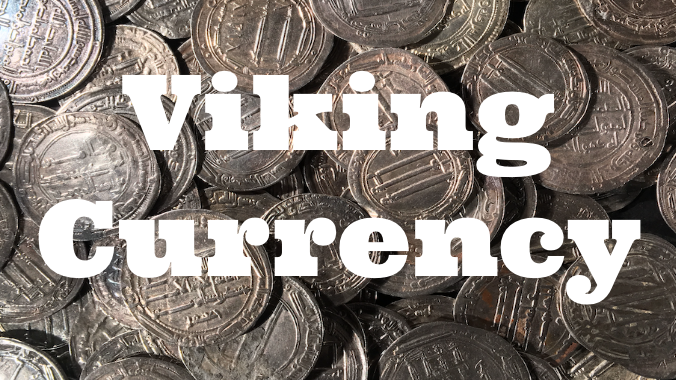
Viking Currency
Buying, selling and trading in the Viking Age, and how hoards are different over the centuries.
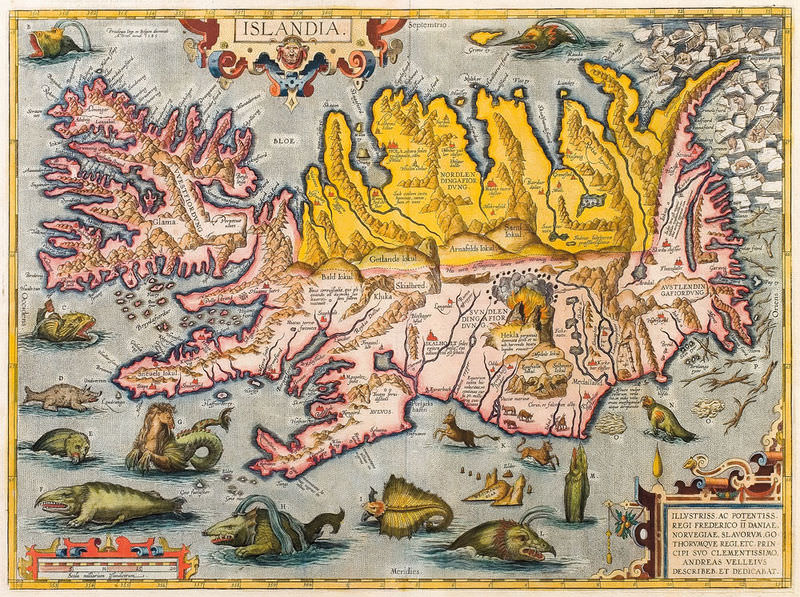
Trade in the pre-capitalistic North Atlantic
The paper examines the evidence for international trade in 14th century Iceland based on excavations of a merchants’ camp at Gásir in North Iceland

Finding the wealthiest places in Ireland, circa 1300
Researchers from Trinity College Dublin have produced a series of ground-breaking maps that illustrate the distribution of wealth in Ireland circa 1300.
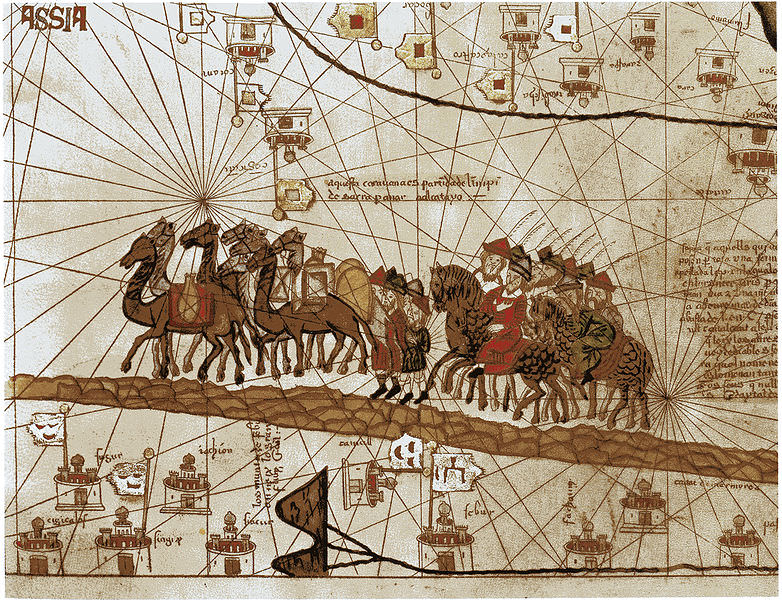
Marco Polo on the Mongol State: Taxation, Predation, and Monopolization
The aim of this article is to bring attention to Marco Polo’s descriptions of economic and political features of the Mongol empire that are especially meaningful when viewed through the lens of Austrian economics.
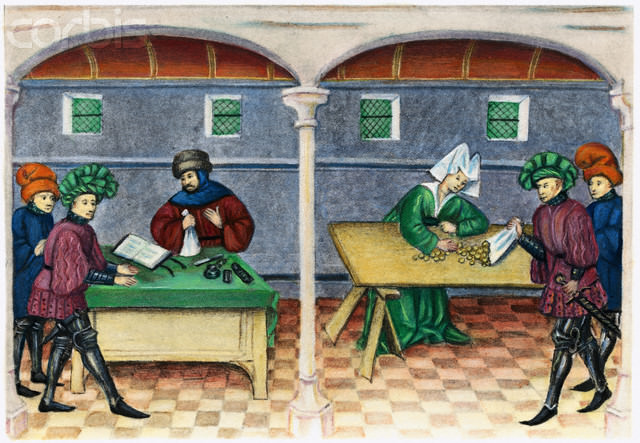
Eight centuries of the risk-free rate: bond market reversals from the Venetians to the ‘VaR shock’
This paper presents a new dataset for the annual risk-free rate in both nominal and real terms going back to the 13th century.
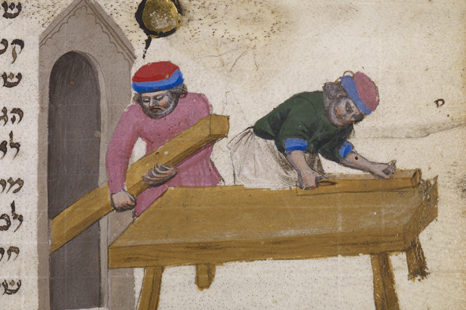
Conceptualizing Labor in the Middle Ages
From the mid-fourteenth to the end o f the fifteenth century, work arguably shaped social identity to a much greater extent than in either earlier or later times.
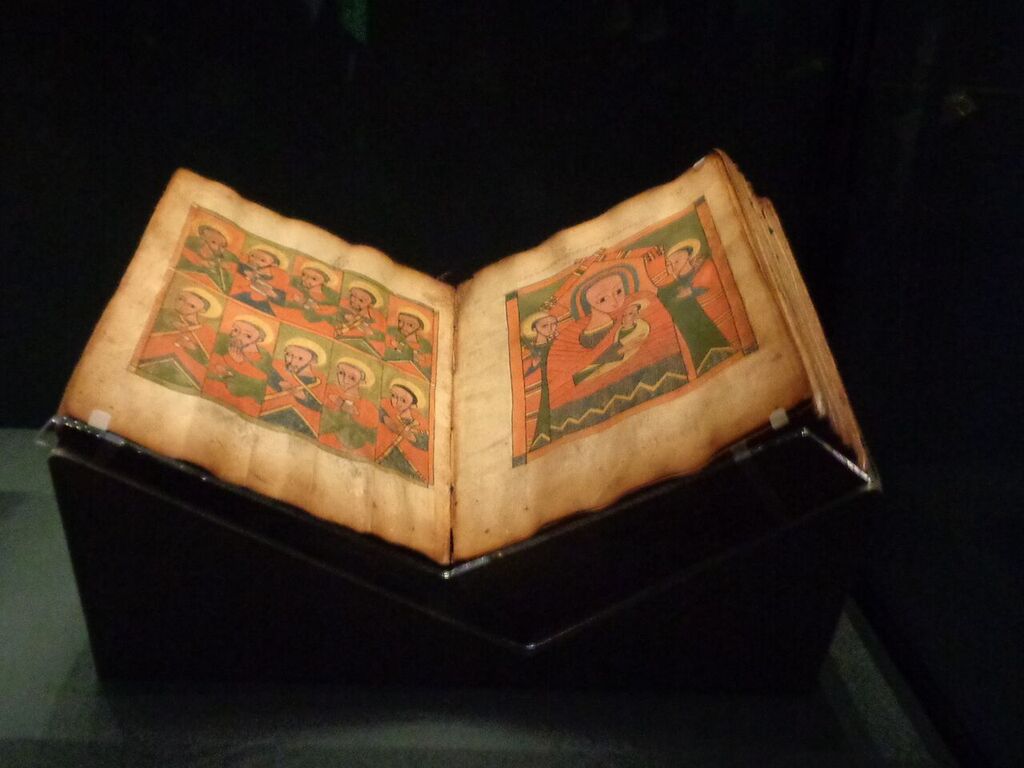
The Global Side of Medieval at the Getty Centre: Traversing the Globe Through Illuminated Manuscripts
Los Angeles correspondent, Danielle Trynoski takes through the, ‘Traversing the Globe Through Illuminated Manuscripts’ exhibut at the Getty Museum.
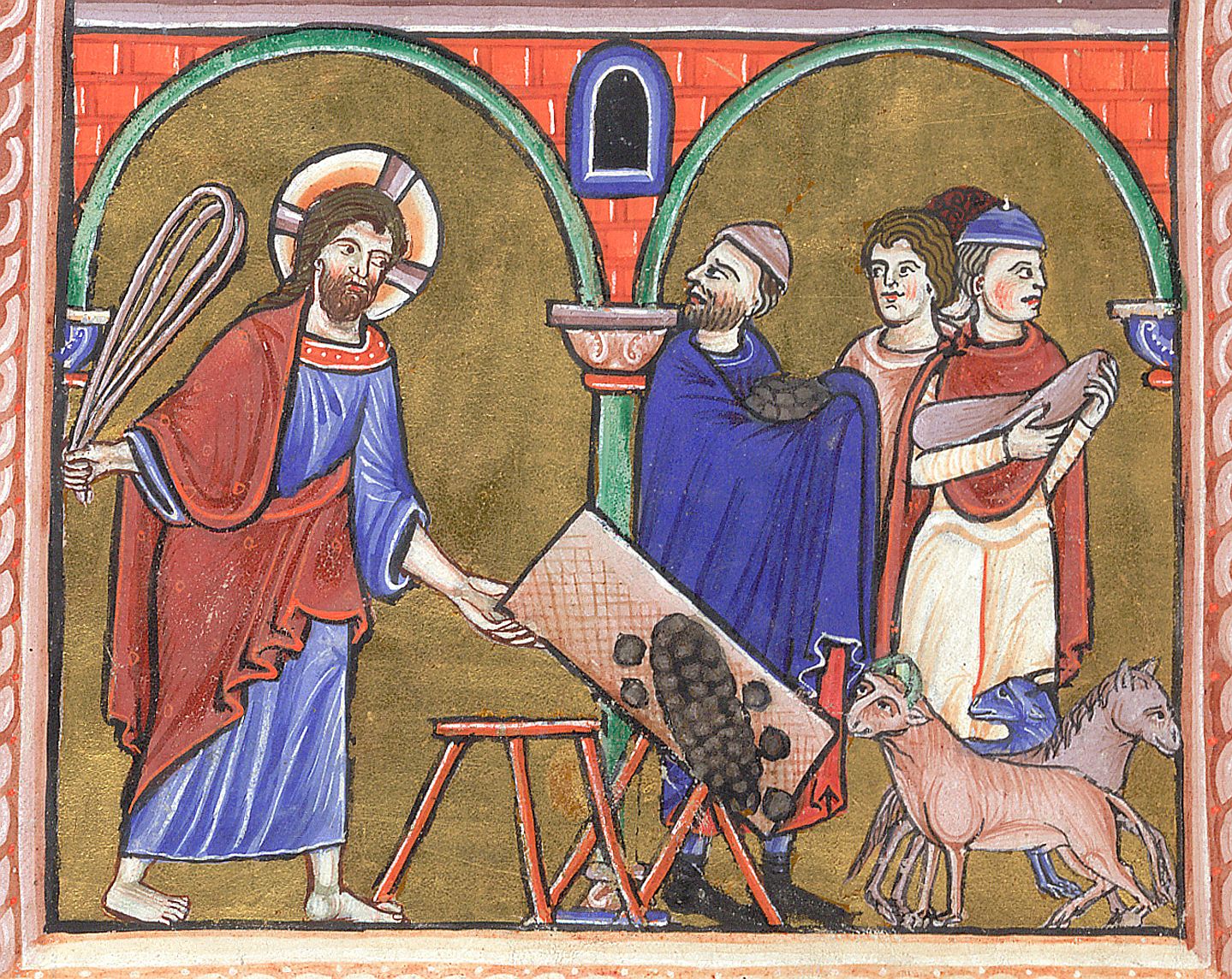
Banishing Usury: The Expulsion of Foreign Moneylenders in Medieval Europe, 1200-1450
Starting in the mid-thirteenth century, kings, bishops, and local rulers throughout western Europe repeatedly ordered the banishment of foreigners who were lending at interest.