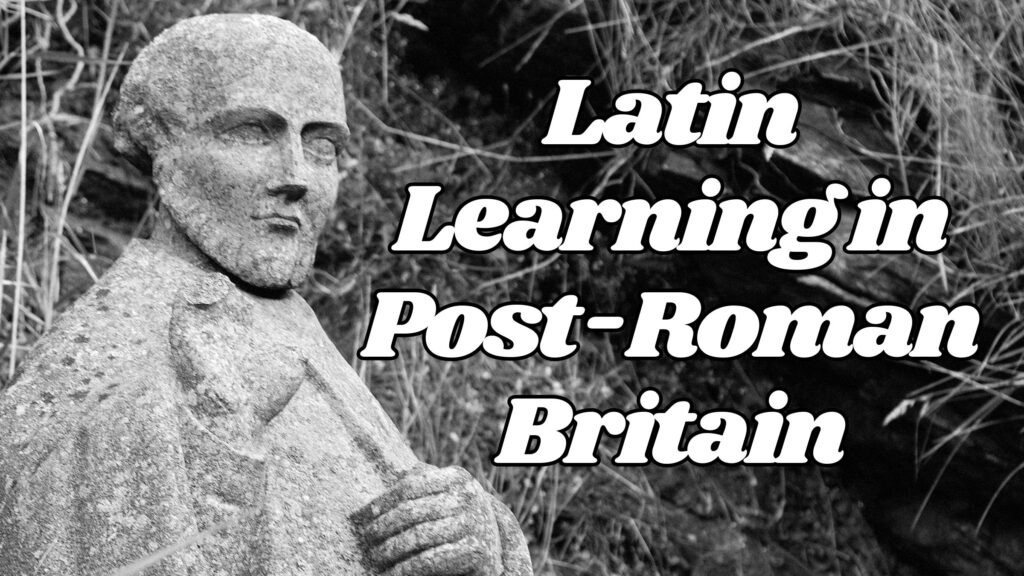
The Survival of Roman Education in Early Medieval Britain
Roman rule ended in 410, but Latin education did not. Nicholas J. Higham explores elite learning and literary culture in post-Roman Britain.
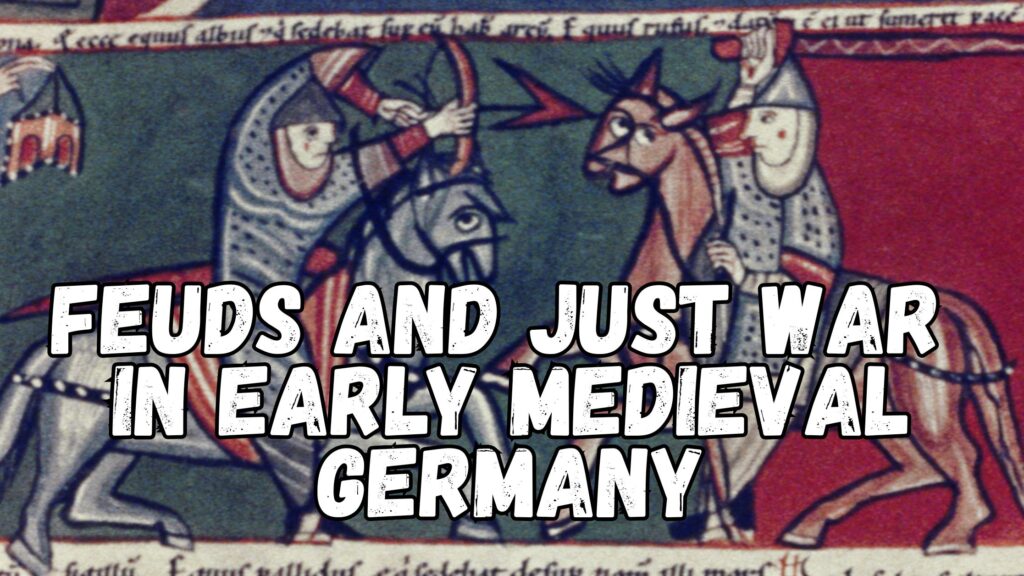
When Was Violence Legitimate? Feuds and Just War in Early Medieval Germany
When was violence acceptable in the early Middle Ages? Examining feuds, just war, and how early medieval Germany defined legitimate and illegitimate conflict.
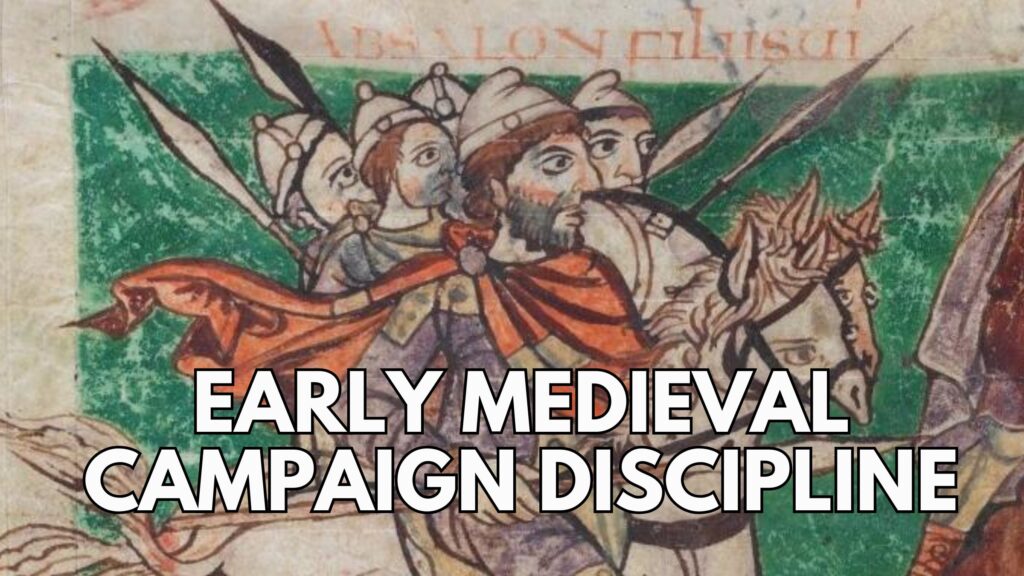
Order on the March: Discipline in Early Medieval Europe
Early medieval armies didn’t just fight battles—they had to keep order on the road, policing theft, violence, and disobedience as they marched. Explore…
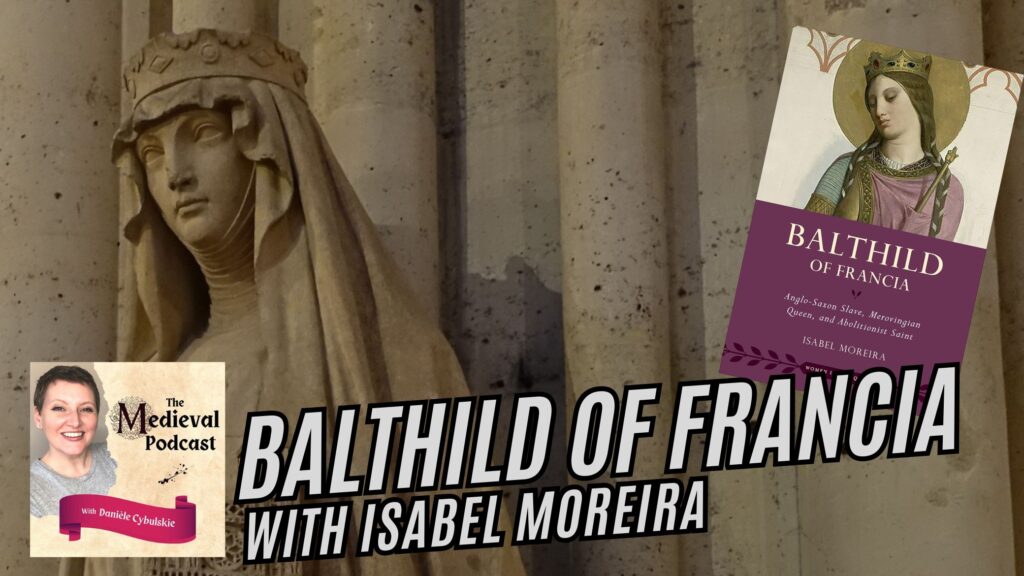
Balthild of Francia with Isabel Moreira
This week on The Medieval Podcast, Danièle speaks with Isabel Moreira about Queen Balthild of Francia, her influence, and her lasting legacy.
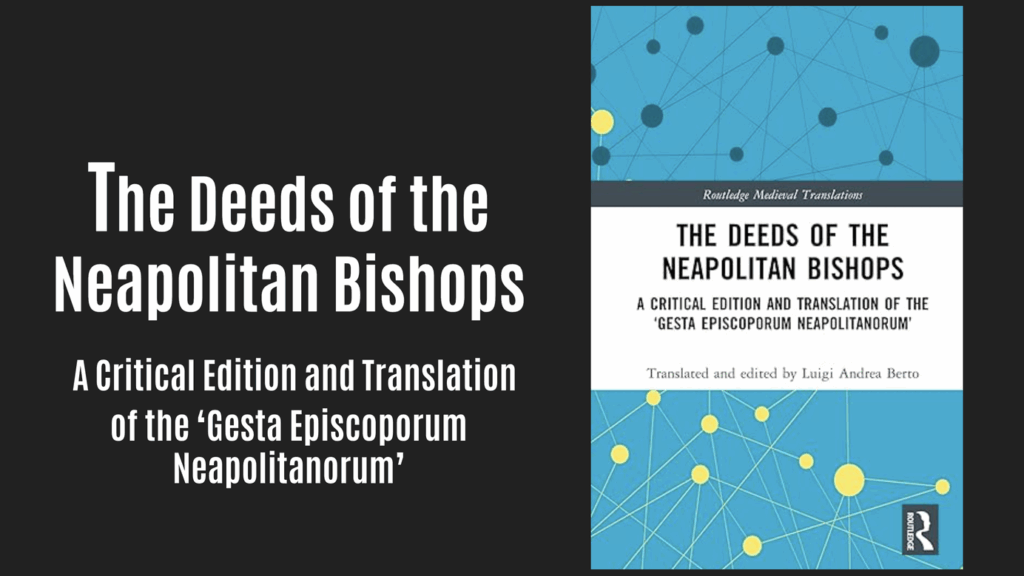
New Medieval Books: The Deeds of the Neapolitan Bishops
In the eighth and ninth centuries, Naples was an autonomous city-state navigating complex relationships with its neighbours. This book presents the original text and translation of a contemporary account that chronicles the city’s local history during this period.
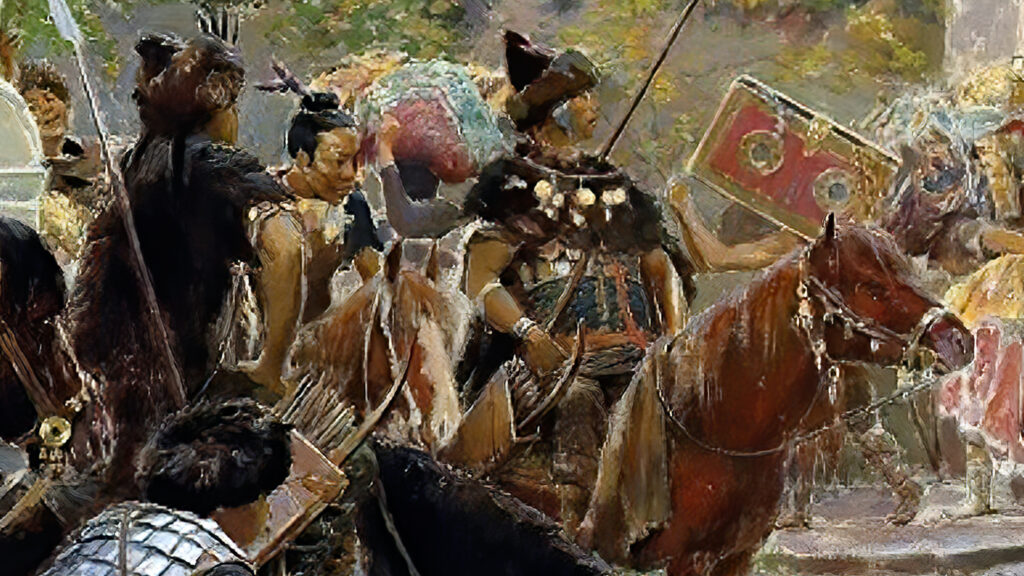
New Study Uncovers the Siberian Origins of the Huns
A new linguistic study reveals that the Huns, including Attila’s dynasty, likely spoke a Palaeo-Siberian language, tracing their origins to Siberia rather than Turkic-speaking Central Asia.

New Medieval Books: Balthild of Francia
In the seventh century, Balthild rose from servitude to become queen of Neustria and Burgundy through her marriage to Clovis II. Following his death, she served as queen regent for their son, Chlothar III, and earned a reputation as a capable and reform-minded ruler—particularly noted for her efforts to end the practice of slavery. This book explores her remarkable life and legacy.

New Medieval Books: Merovingian Worlds
This book offers an overview of the Merovingian realm, roughly what is now France and parts of neighbouring Western Europe during the 5th to 8th centuries.

Icebergs, Iceland, and the Fall of Rome: New Evidence Reveals the Impact of a Medieval Climate Crisis
New research reveals that icebergs from Greenland reached Iceland during the 6th–7th centuries, offering fresh insight into the Late Antique Little Ice Age—and how climate change may have shaped the post-Roman world.

New Study Links Huns to Xiongnu Through DNA Evidence
New DNA research has uncovered a direct genetic link between some European Huns and the elite of the earlier Xiongnu Empire, a powerful nomadic state from the Mongolian steppe. The findings challenge long-standing debates on the Huns’ origins, revealing a complex web of ancestry and migration across Eurasia.
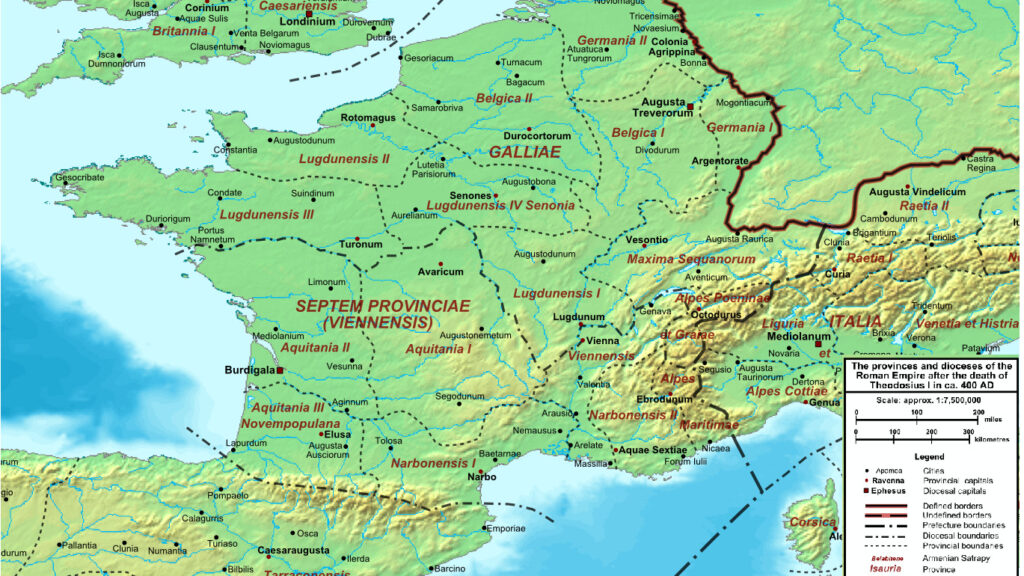
Key Event in the Fall of the Roman Empire May Not Have Happened, Historian Finds
Did the Rhine crossings of 406, long seen as a decisive moment in the fall of the Western Roman Empire, really happen as described? A new study challenges the traditional narrative, arguing that one of the key sources may have been more influenced by theology and literary tropes than historical fact.

The Year That Changed History: Three Pivotal Events from 751 CE
In 751, a siege, a coup, and a battle reshaped empires, redrew borders, and even introduced an invention that would change the world—here’s why this year deserves a place in history books.

Medieval Helmet Fragment Discovered in Denmark
A remarkable piece of history has been discovered near the town of Lejre in eastern Denmark. Metal detectorists have unearthed an exceptionally rare helmet fragment dating back to just before the Early Middle Ages.

New Genetic Study Maps Early Medieval Migrations Across Europe
Waves of human migration across Europe during the first millennium AD have been revealed in a groundbreaking study. By analysing Ancient DNA with a novel method, researchers have reconstructed detailed patterns of population movements during the Iron Age, the fall of the Roman Empire, the early medieval ‘Migration Period,’ and the Viking Age.

Early Medieval Christian Basilica Discovered in Italy
Archaeologists have uncovered a significant early Christian basilica in Aquileia, Italy, shedding new light on the city’s religious and geopolitical role during the Byzantine era.
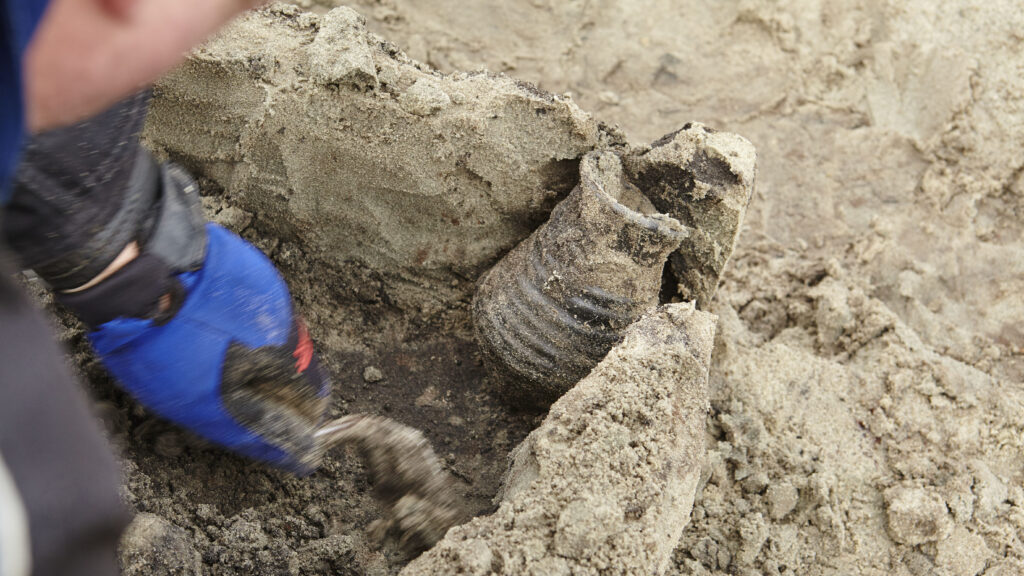
Who Lived in Early Medieval Flanders? DNA Reveals the Answer
Who lived in Flanders during the 7th century, and where did they come from? New DNA research from Merovingian graves in Koksijde has uncovered surprising insights into the region’s diverse ancestral origins.
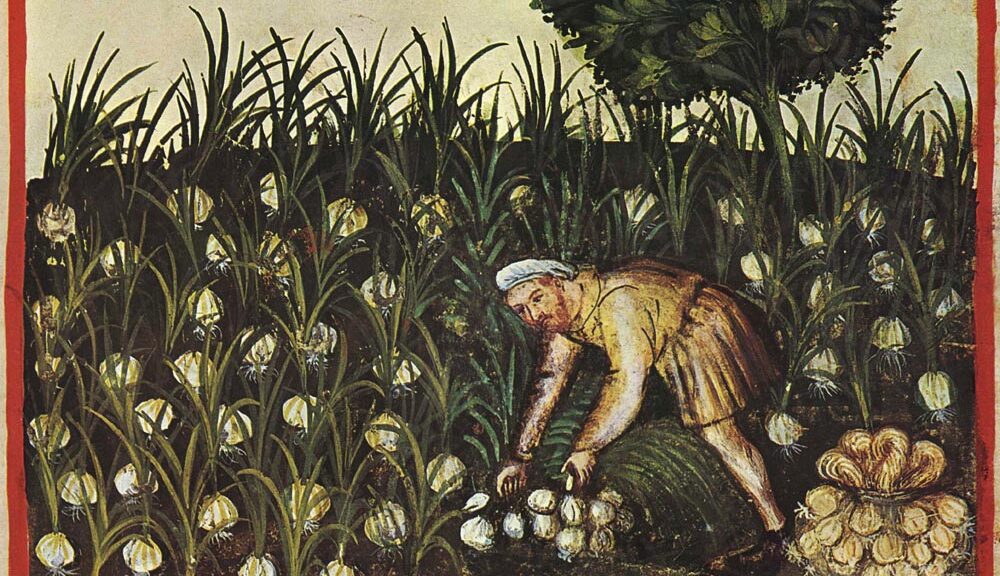
Urban Gardening in Early Medieval Italy
This paper charts changing attitudes to urban agriculture between the late Roman and early medieval periods, with attention to how Christianity changed people’s views on flowers, how new regional economies affected what people ate, and how people in medieval Italy viewed gardens and gardening.
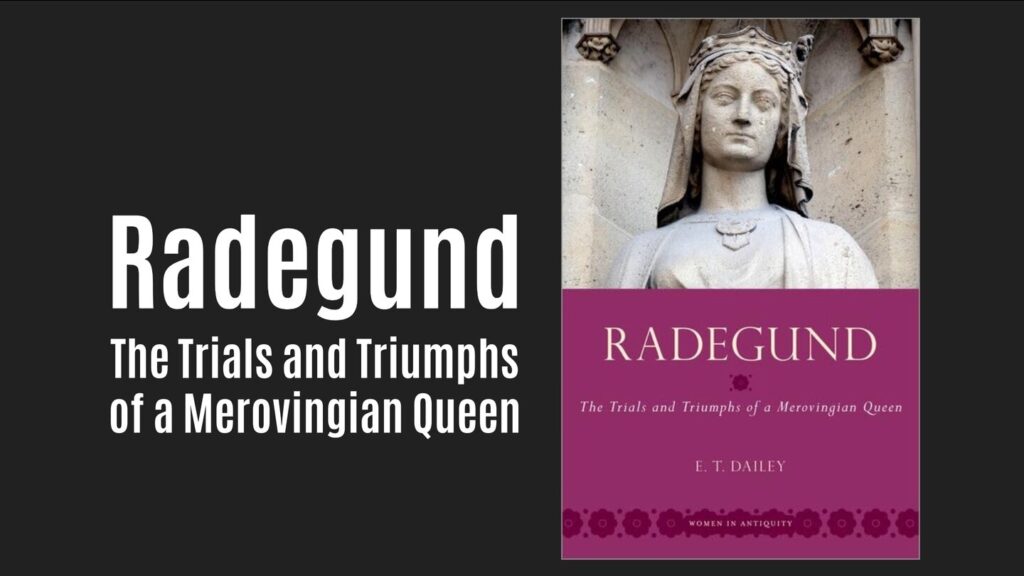
New Medieval Books: Radegund
The story of Radegund, a 6th-century princess who would find herself being married to the man who had killed her family. From high politics in the Merovingian Empire to the creation of a monastery, Radegund’s life is a very interesting tale.

Early Medieval Workshop Discovered in Scotland
An early medieval workshop built over the ruins of an earlier Pictish-style building reveals a snapshot of life in the early Scots kingdom of Dál Riata.

Early medieval reliquary discovered in Austria
Since the summer of 2016, archaeologists from Innsbruck have been excavating an early medieval hilltop settlement in the municipality of Irschen in southern Austria. Two years ago, they made a sensational discovery: a Christian reliquary hidden in a previously unknown church. It contained a richly decorated ancient reliquary box made of ivory.

Archaeogenetics reveals new details on the Avars, study finds
The Avars are one of the least understood peoples of the early medieval period. A new study reconstructs their social dynamics by using ancient DNA data with archaeological evidence.
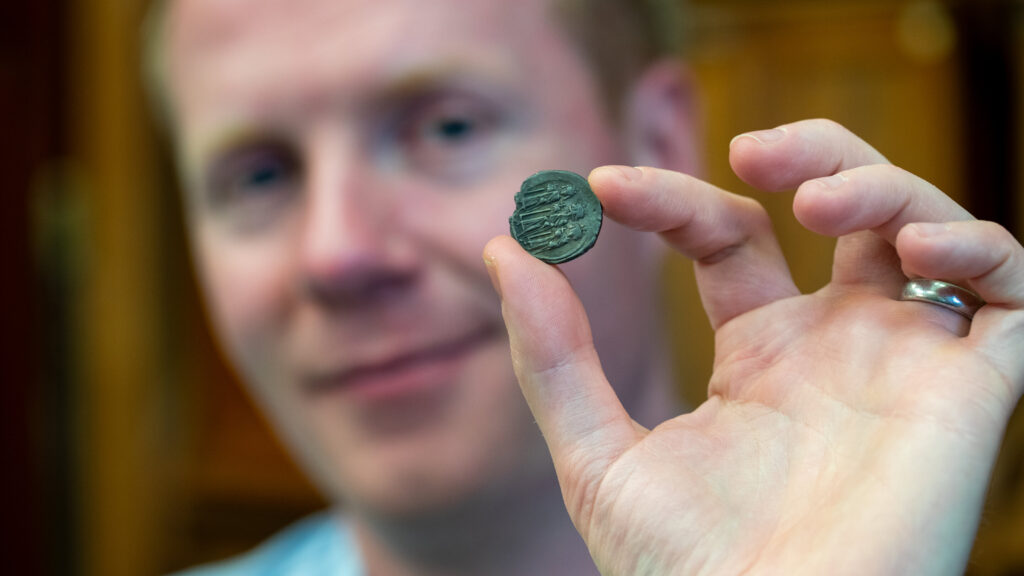
Early medieval money mystery solved
Byzantine bullion fuelled Europe’s revolutionary adoption of silver coins in the mid-7th century, only to be overtaken by silver from a mine in Charlemagne’s Francia a century later, new tests reveal. The findings could transform our understanding of Europe’s economic and political development.
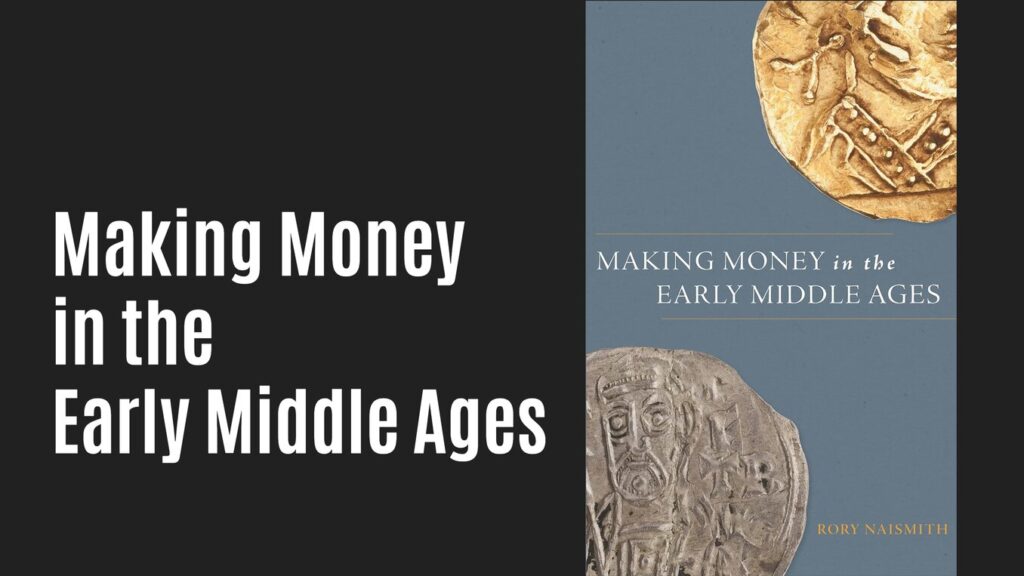
New Medieval Books: Making Money in the Early Middle Ages
Why did people make and use coins at all in the early Middle Ages, if cash was so scarce that they were used to getting by without?
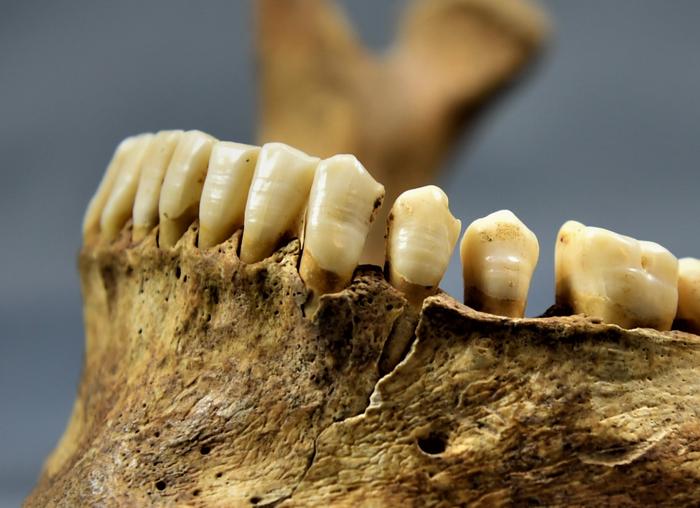
What teeth can reveal about the health of early medieval children
Researchers can learn much about a person through their teeth. This is even true for people who lived 1500 years ago in early medieval Germany.