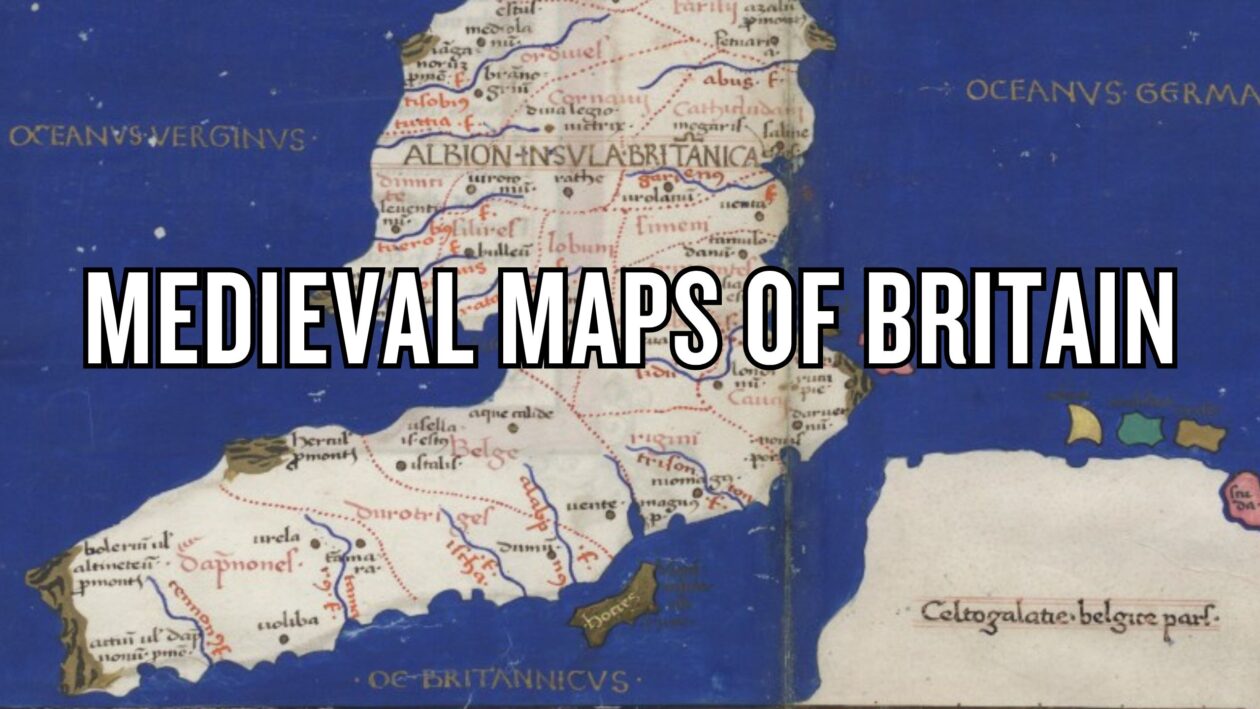
Medieval Maps of Britain
Explore 10 medieval maps of Britain—from early mappae mundi and Ptolemaic charts to portolans, the Gough Map, and the Catalan Atlas—revealing how England, Scotland and Wales were drawn in the Middle Ages.
Where the Middle Ages Begin
Explore 10 medieval maps of Britain—from early mappae mundi and Ptolemaic charts to portolans, the Gough Map, and the Catalan Atlas—revealing how England, Scotland and Wales were drawn in the Middle Ages.
What everyday objects did people use in the Middle Ages? From clothing and household necessities to tools for work and warfare, these 25 medieval items were essential to daily life and shaped how people lived, ate, and survived.
Delve into the pivotal figures of the Middle Ages whose enduring legacies shaped the course of history. From visionary leaders and profound scholars to prolific writers and formidable warriors, these individuals left an indelible mark on medieval society.
Discover the 50 most significant events of the Middle Ages, spanning the years 500 to 1500.
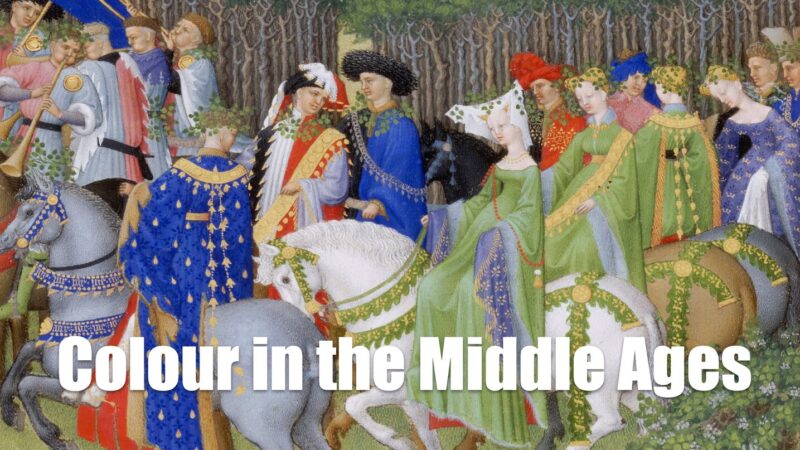
Here are seven vivid facts about colour in the Middle Ages
In medieval times, many unique jobs, such as Ale-wife and Groom of the Stool, were essential but have since vanished. Discover these obsolete occupations and how historical changes led to their disappearance.
Are you wanting to talk more like someone from the Middle Ages? We have a list of 30 great sayings and proverbs that you can use in your conversations.
Have you wondered what a medieval king did on a typical day? Thanks to Christine de Pizan, we have an account of what daily life was like for King Charles V of France.
Some of our most popular phrases have a long history, including some that go back to the Middle Ages.
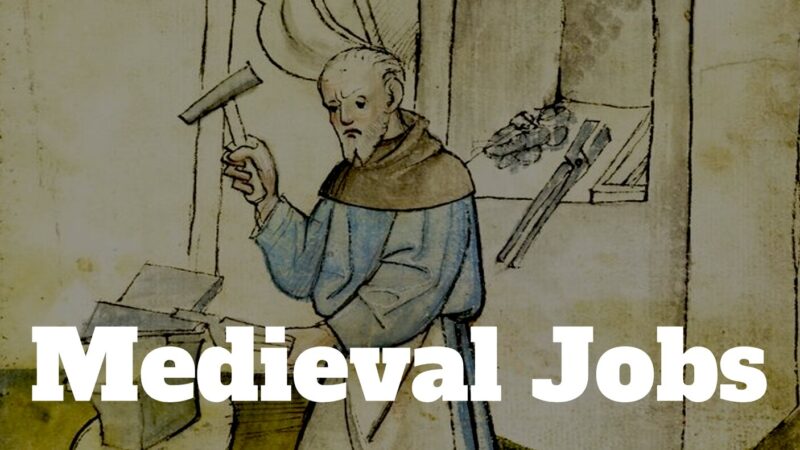
Want to know what kind of jobs there were in the Middle Ages? A unique source from the 15th century gives us some beautiful images of medieval people at work.
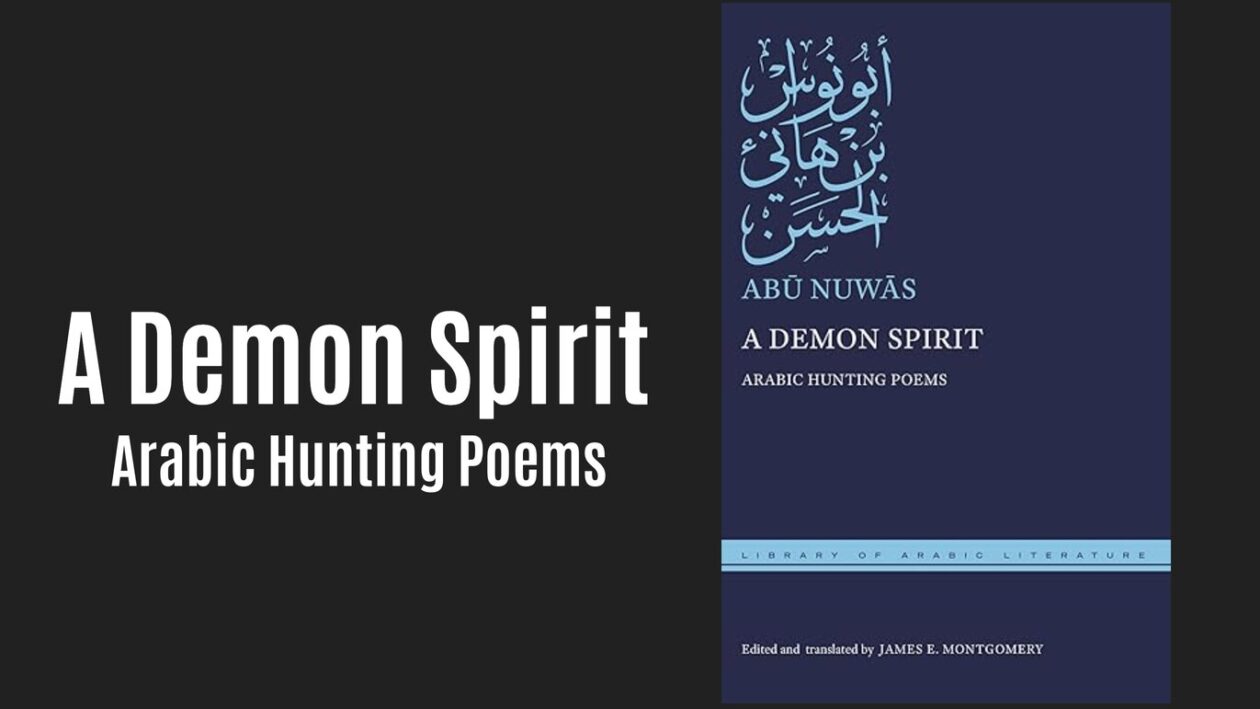
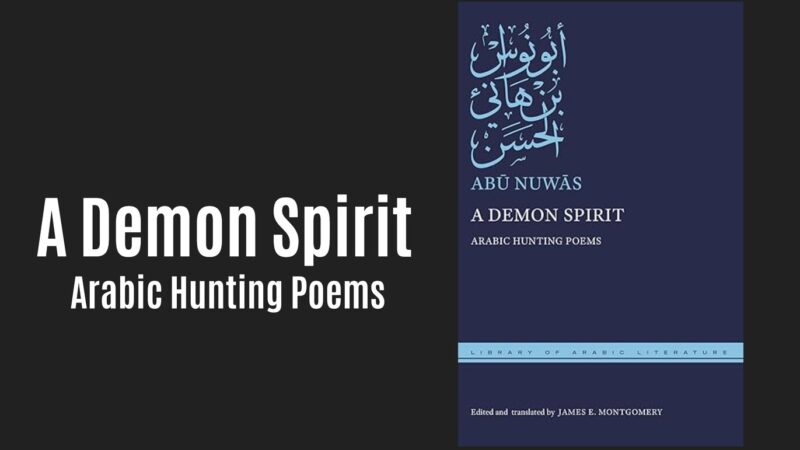
Abū Nuwās is widely regarded as one of the great poets of the Middle Ages. This book brings together more than a hundred poems attributed to him—each with an English translation—focused on hunting.
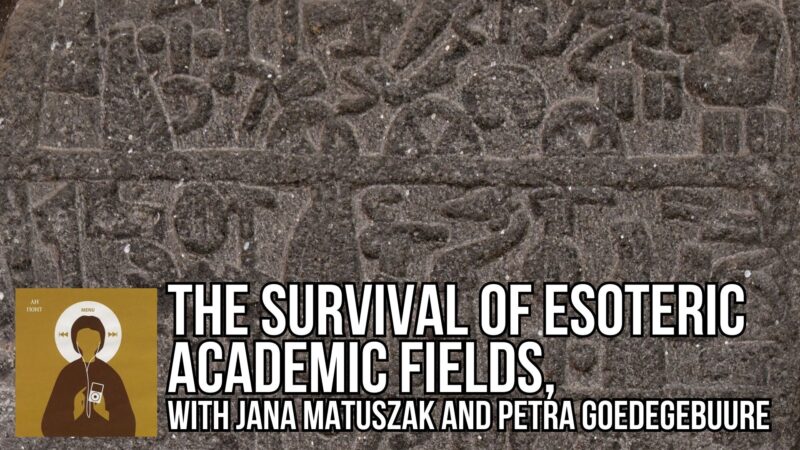
Byzantine Studies is still larger than Sumerology and Hittitology, but the numbers of our full-time faculty is shrinking. How can our fields navigate an uncertain future?
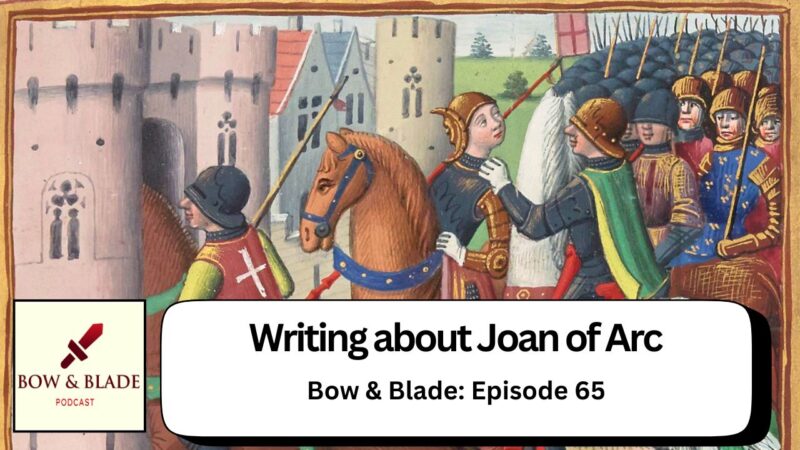
In the latest Q&A episode of Bow & Blade, Michael and Kelly tackle listener questions on Joan of Arc, standout new books on medieval warfare, and whether Richard III really killed the Princes in the Tower.
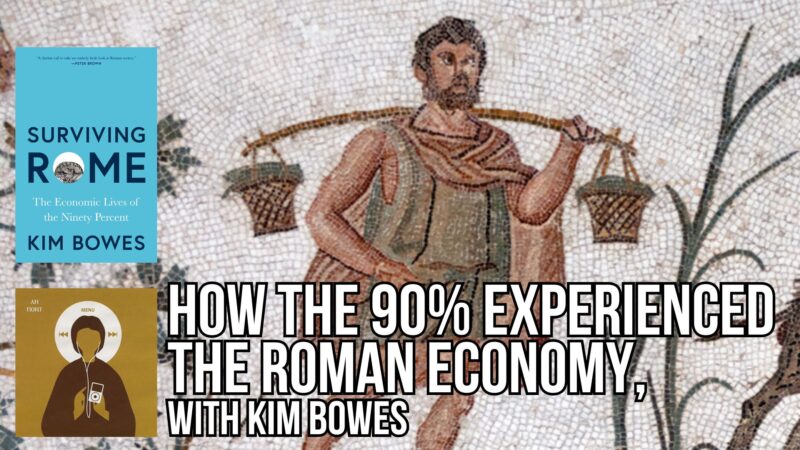
A conversation with Kim Bowes about her recent book, Surviving Rome: The Economic Lives of the Ninety Percent, which presents a brilliant new model of the Roman imperial economy, specifically for how the majority of the population experienced it.
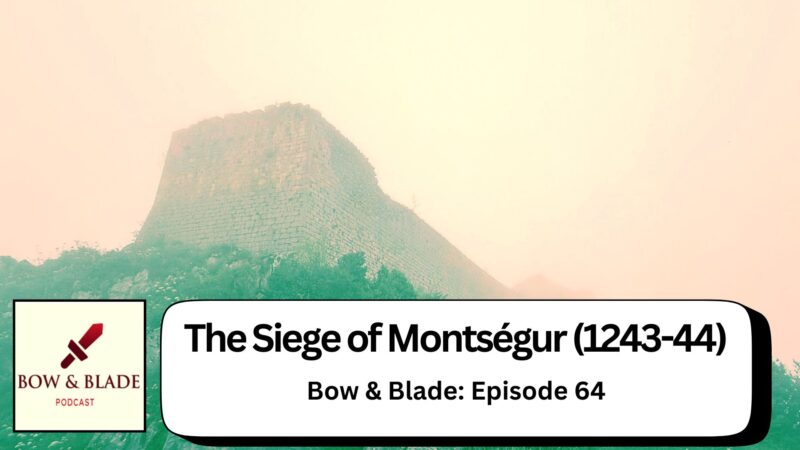
In this episode of Bow & Blade, Michael and Kelly head to the Pyrenean stronghold of Montségur to unpack the dramatic siege that brought the Cathar refuge to its end. They explore how faith, politics, and military pressure collided on the mountain—and what the fall of Montségur meant for the wider Albigensian Crusade.
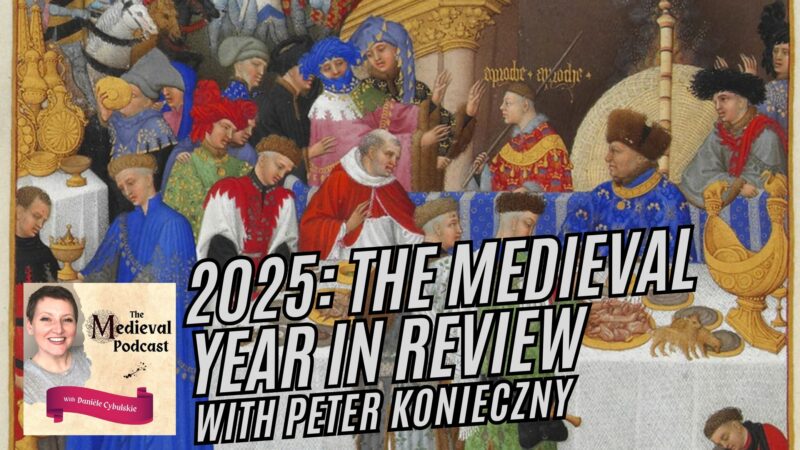
This week on The Medieval Podcast, in keeping with tradition, Danièle speaks with Peter Konieczny, editor of Medievalists.net, about the good, the bad, and the ugly of 2025.
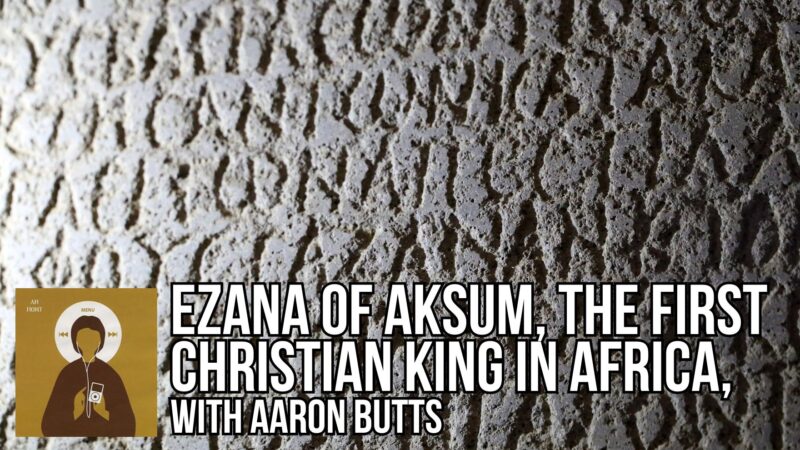
A conversation with Aaron Butts on the conversion to Christianity of Ezana, the fourth-century king of Aksum (in modern Ethiopia and Eritrea). “Conversion” is a conventional term, but what Ezana’s inscriptions and coins reveals is a complicated process of appealing to different groups and the coexistence of religions in his realm and the royal monuments.