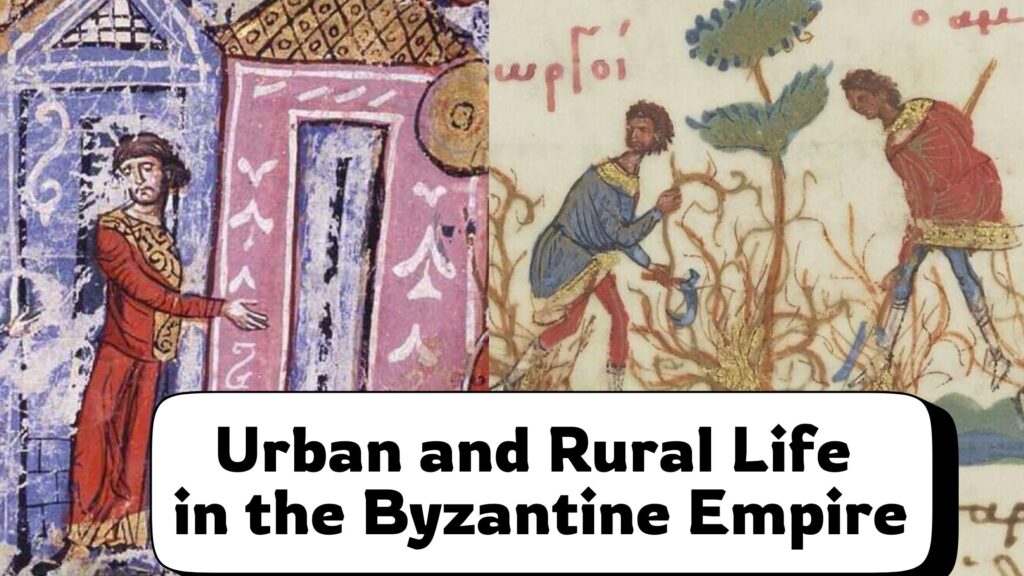
Urban and Rural Life in the Byzantine Empire
Explore how life in the Byzantine Empire differed between cities like Constantinople and the countryside, from social hierarchies and work to festivals, religion, and economic interdependence.
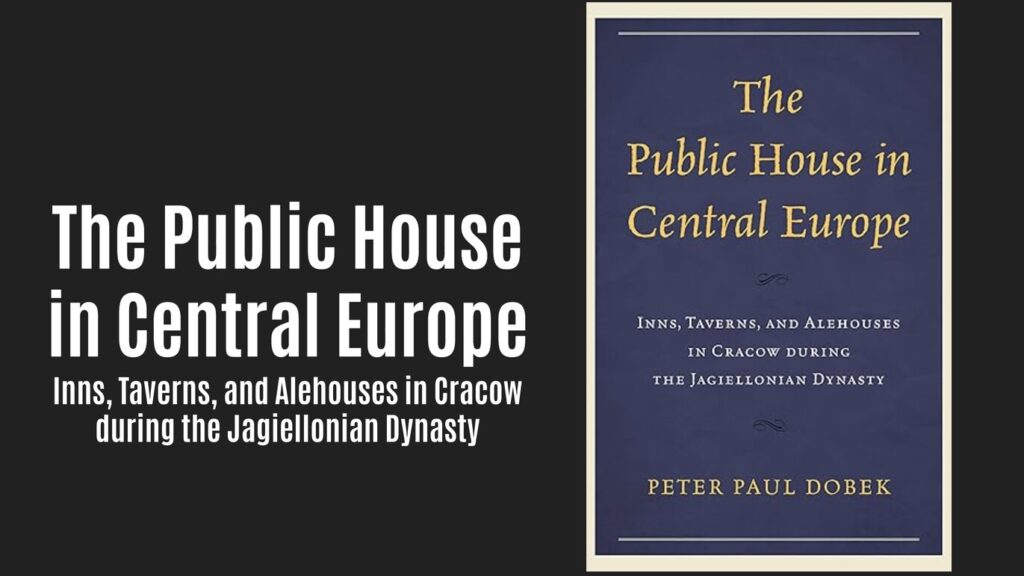
New Medieval Books: The Public House in Central Europe
Public houses—places that sold alcoholic drinks—were a central part of life in Cracow in the fifteenth and sixteenth centuries. This book explores how these establishments worked: who owned them, who gathered inside, and how city authorities dealt with disorder when drinking turned into violence.
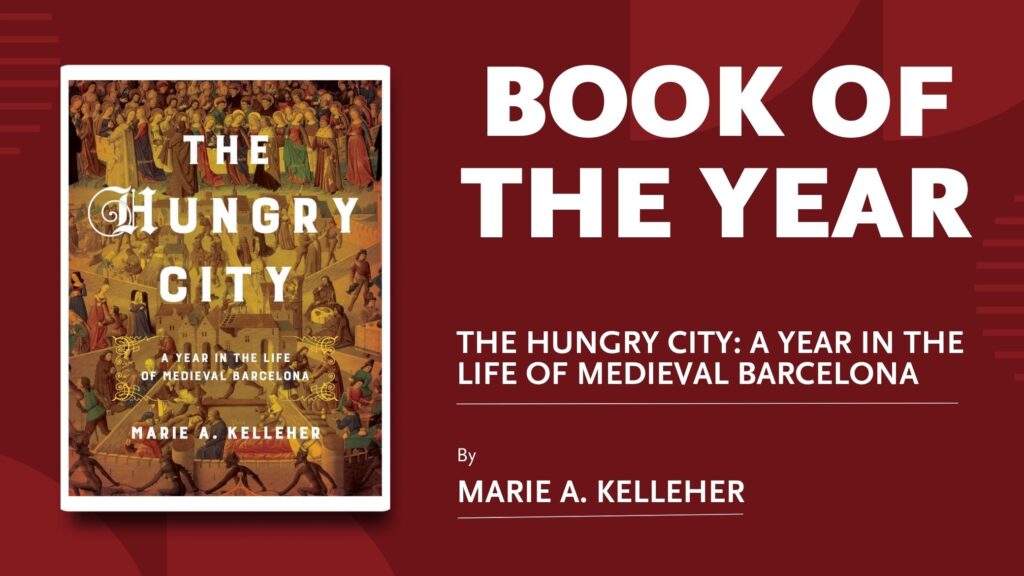
Medieval Book of the Year: The Hungry City
Medievalists.net’s choice for the Book of the Year! This book offers a compelling account of the famine that struck Barcelona in 1333–34, reconstructed through the records of the city’s government. Vividly written yet firmly grounded in the sources, it stands as a fitting culmination of Kelleher’s work as a medievalist.
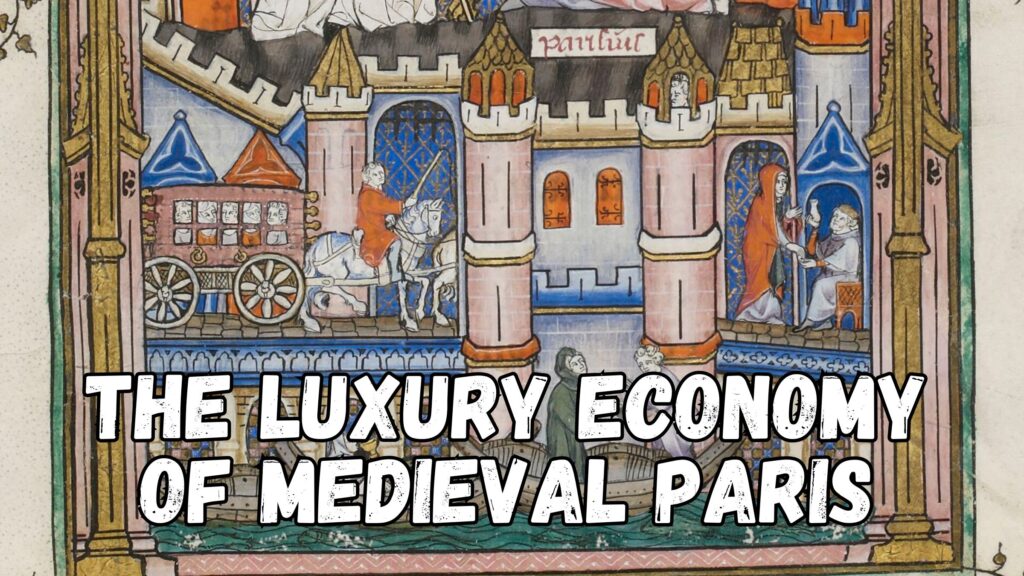
Inside Medieval Paris: A City of Wealth, Merchants, and Artisans
In the Middle Ages, Paris stood at the heart of Europe’s luxury trade. Behind its grand churches and royal palaces was a bustling network of merchants, artisans, and aristocrats whose wealth shaped the city’s rise to prominence.
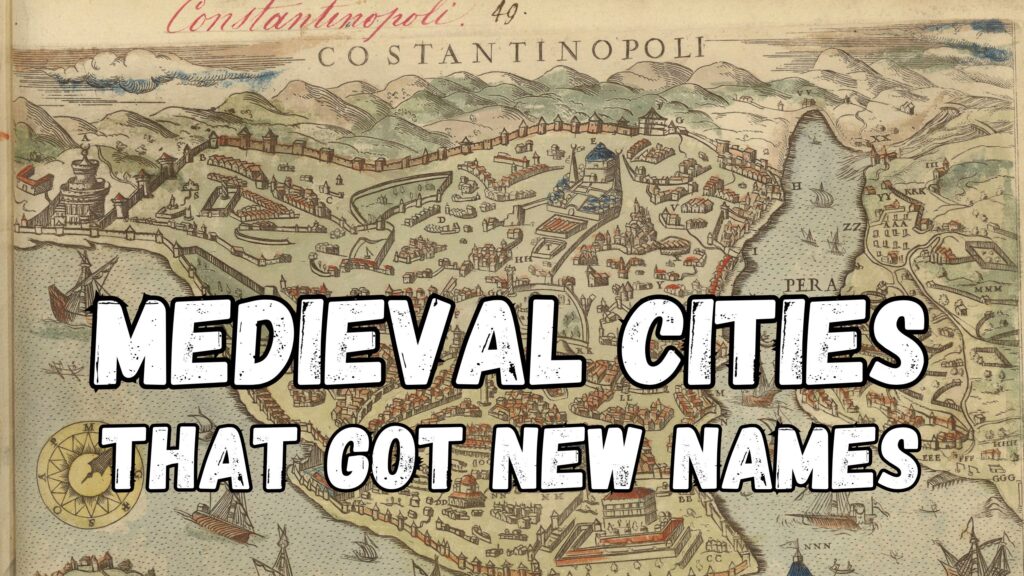
40 Cities That Had Different Names in Medieval Times
Discover 40 cities that went by different names in medieval times, from Constantinople to Istanbul and Danzig to Gdańsk. Explore why their names changed and how history shaped them.

New Medieval Books: Shortage and Famine in the Late Medieval Crown of Aragon
Food security was a major concern for any medieval society. This book examines how individuals and communities responded to this challenge, particularly during periods of famine.
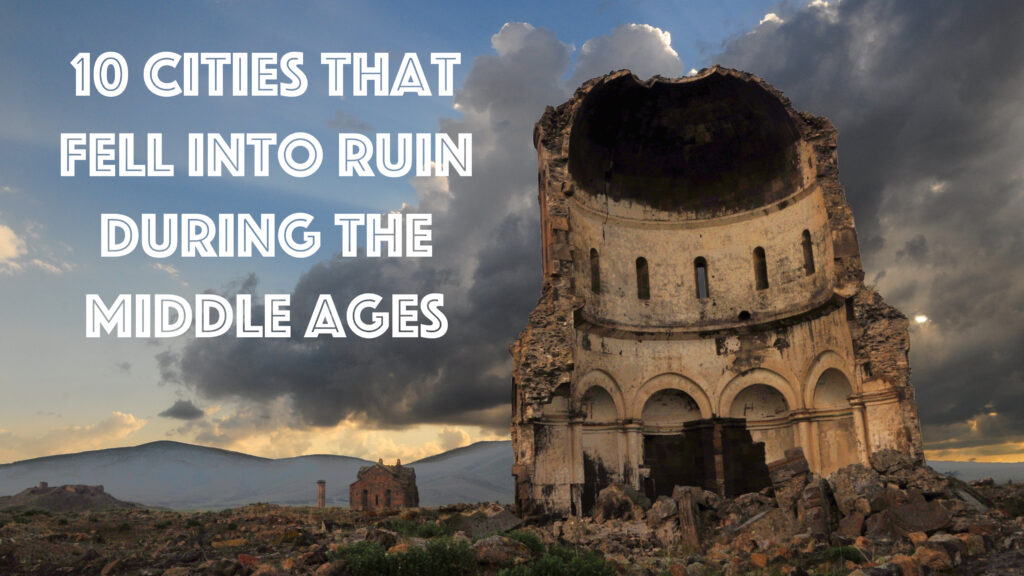
10 Cities That Fell Into Ruin During the Middle Ages
From Crusader strongholds to Silk Road capitals, discover 10 cities that fell from greatness during the Middle Ages, lost to time, disaster, and war.
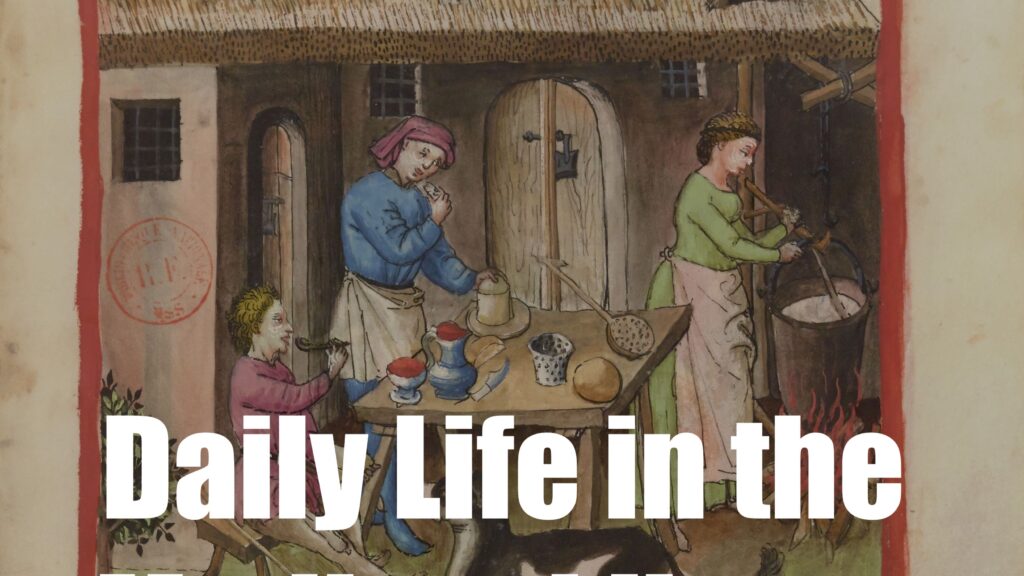
Daily Life in the Medieval Home
Explore daily life inside a medieval home, from kitchens and chambers to workshops and power dynamics, based on records from late medieval York.
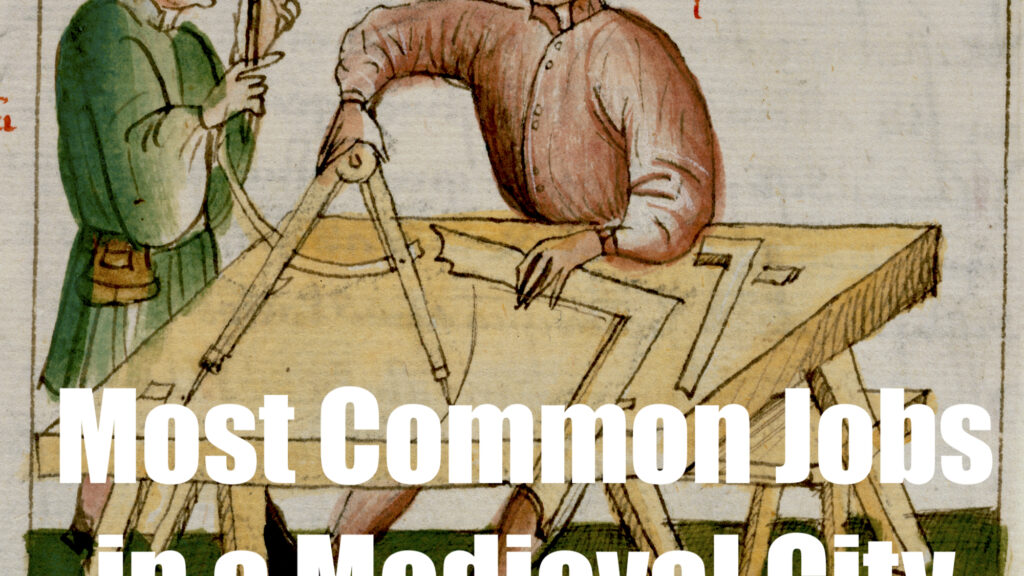
The 10 Most Common Jobs in a Medieval City
Discover the five most common jobs in a medieval city, based on records from fifteenth-century Montpellier. Learn how farmers, carpenters, butchers, shoemakers, and clerics shaped urban life
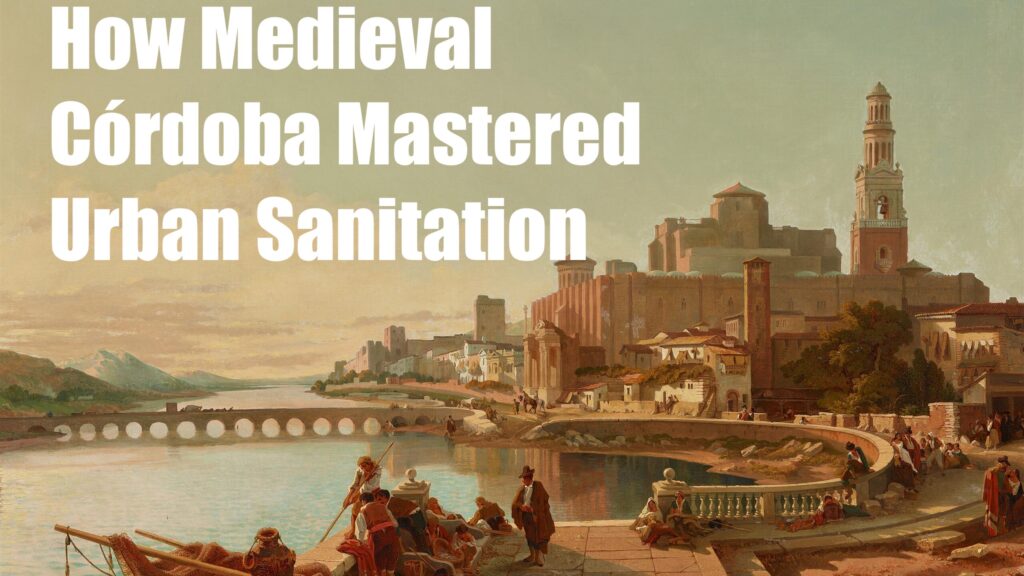
Medieval City Had Sophisticated Sanitation System Unmatched for Centuries, Study Finds
Medieval Córdoba built a sewer system so advanced it stayed in use for centuries. A new study reveals how the city’s infrastructure, legal oversight, and community cooperation created one of the most sophisticated sanitation systems of the Middle Ages.

English Towns Recovered from the Black Death Faster Than Expected, Study Finds
The Black Death devastated English towns, wiping out more than half their populations—but did they ever fully recover? A new study finds that urban centers like Nottingham rebounded much faster than previously believed, with migration and economic shifts driving their revival in the decades after the plague.
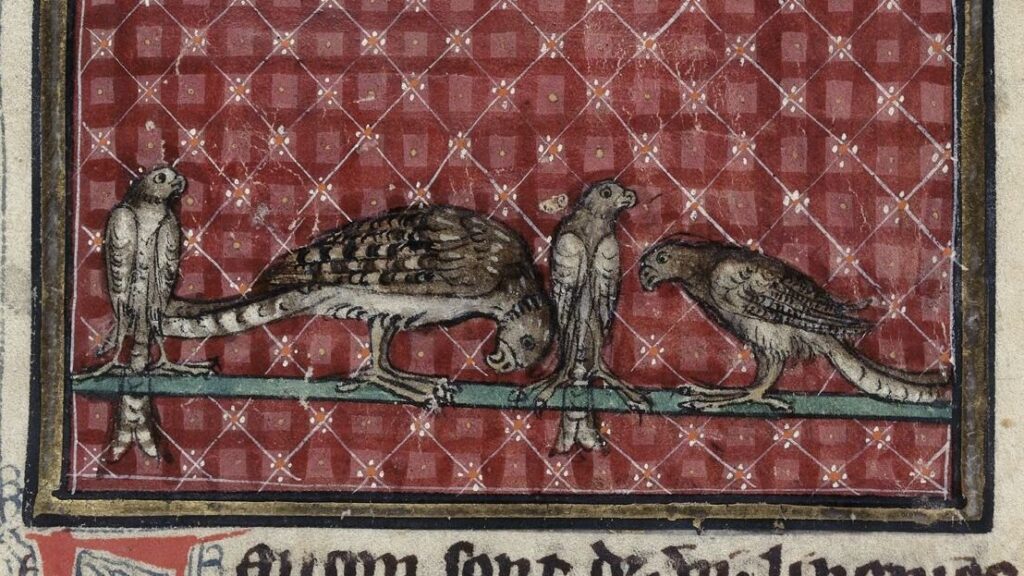
Medieval Birds of Prey Feasted on Human Waste, Study Finds
Birds of prey in medieval Britain relied heavily on scavenging human waste and scraps, a new study has revealed.

New Medieval Books: Medieval Women and Urban Justice
What can medieval court records reveal about the lives of women? This book examines the legal disputes involving women in three English towns, uncovering their roles in cases ranging from debts and trade regulations to local trespass laws and public disorder.

New Medieval Books: Giants in the Medieval City
In the Late Middle Ages, particularly in German-speaking lands, the perception of giants underwent a notable transformation—from monstrous and malevolent figures to noble and heroic ones. This book explores numerous examples where giants, and those considered “gigantic,” evolved into celebrated hometown heroes.

Life at Home in Ireland’s Viking-Age Towns
Using the huge amount of archaeological evidence we have excavated over the past 60 years, we can use this to reconstruct life at home in Ireland’s Viking-Age towns.

New Medieval Books: Frankish Jerusalem
After the First Crusade, Jerusalem became a melting pot of new settlers, leading to the rise of a transformed community. This book delves into 12th-century property records to uncover how these immigrants reshaped and redefined the city’s landscape.
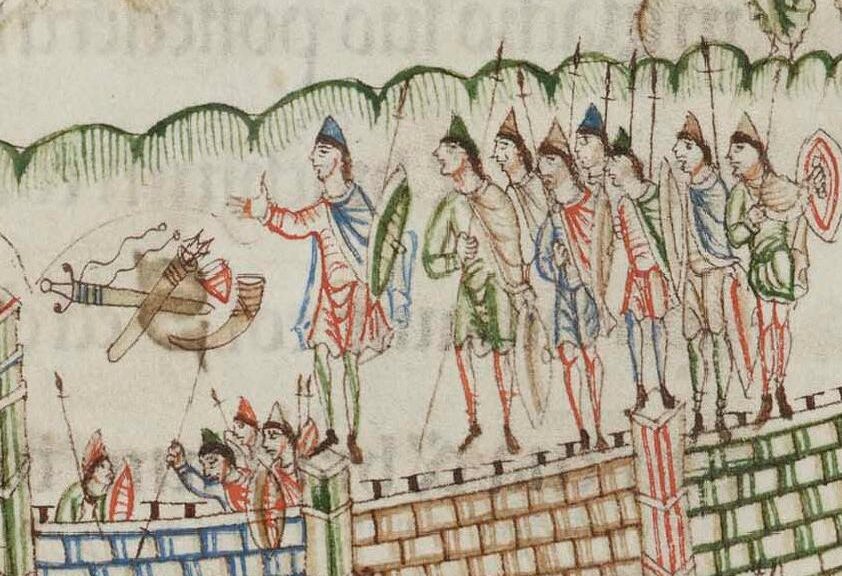
Obligation and Opportunity: Urban Military Service in Medieval England
This talk examines the development and use of urban soldiers in warfare in medieval England with a focus on military efficacy and strategy value.
Cleaning Up Renaissance Italy with Jane Stevens Crawshaw
This week on The Medieval Podcast, Danièle speaks with Jane Stevens Crawshaw about environmental policies in fourteenth and fifteenth-century Genoa and Venice.

22 Intriguing Characters from a Medieval City’s Underworld
Discover 22 intriguing characters from the medieval underworld in Muhammad Ibn Dāniyāl’s play, “The Amazing Preacher and the Stranger.” Explore the lives of medieval street performers, animal trainers, and shady tradesmen.

New Medieval Books: Cleaning Up Renaissance Italy
This book examines how Venice and Genoa dealt with environmental issues, including waste management, water supply and street congestion. It also reveals the mindset of the medieval Genoese and Venetians when it came to having a clean and healthy city.

40,000 pieces of graffiti discovered in Venice
Historical graffiti, ranging from symbols to dedications, adorns Venice’s columns, entrances, and walls, weaving a rich tapestry of the city’s narrative. Spearheaded by…

Discovery sheds new light on lost medieval Bristol landmark
The exact location of a long-lost stone cross erected by the 14th century that acted as a boundary marker to define the then city limits of Bristol, and which was also the site of a gallows which stood for hundreds of years, has been discovered by a historian from the University of Bristol.
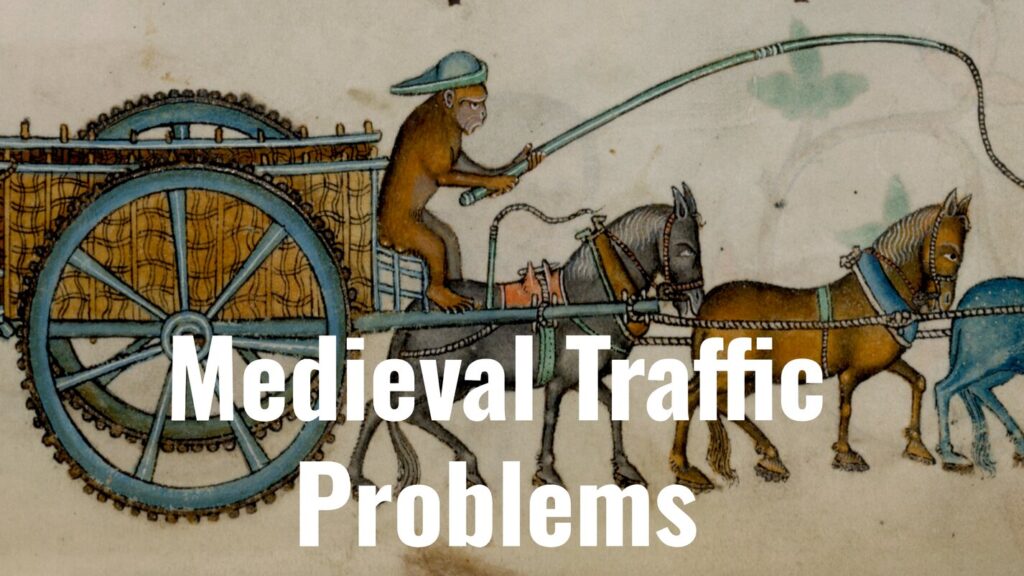
Traffic Problems in the Medieval City
The medieval city was seen as a crowded, bustling place, with people, horses, carts and wagons all moving around. Just as in our modern city, this would all lead to inevitable traffic problems.
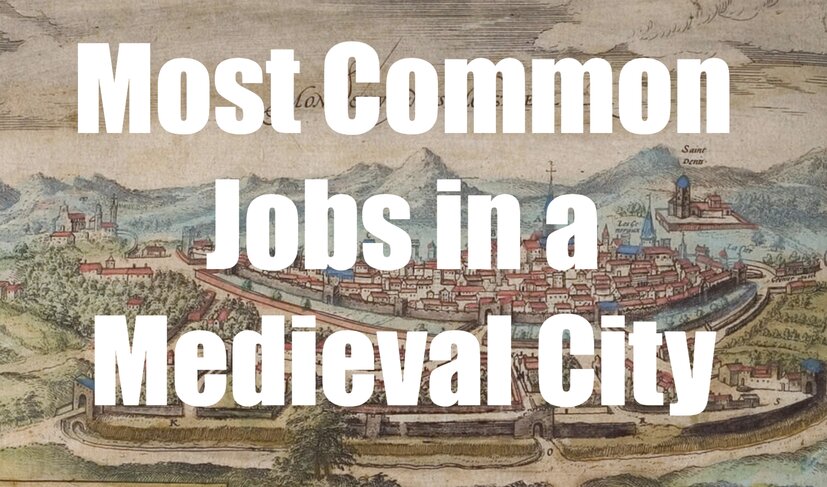
The 5 Most Common Jobs in a Medieval City
The five most common jobs were farming, carpentry, butchery, shoemaking and Church-related work.
