
The Windmill: A Medieval ‘Steam Engine’?
Examines the invention and development of the Windmill in the twelfth and thirteenth centuries, including how these machines worked. Further discussion is given on the use of windmills in England during the early fourteenth century.
“Washing Off the Dust”: Baths and Bathing in Late Medieval Japan
“Washing Off the Dust”: Baths and Bathing in Late Medieval Japan By Lee A. Butler Monumenta Nipponica, Vol. 60:1 (2005) Summary: This article analyzes…
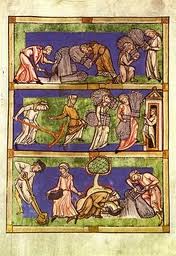
The Agrarian Problem in the Early Fourteenth Century
Until recently it was widely believed that feudal tenurial relationships sanctioned and facilitated the extra-economic exploitation of tenants by their lords. Together, the heaviness of rent charges and the arbitrariness of lordship discouraged and depressed tenant investment in agriculture.
Female Dress and “Slavic” Bow Fibulae in Greece
Female Dress and “Slavic” Bow Fibulae in Greece BY Florin Curta Hesperia, Vol. 74:1 (2005) Abstract: Long considered an “index fossil” for the migration…
Sewerage in Ancient and Medieval Times
Sewerage in Ancient and Medieval Times By Harold Farnsworth Gray Sewage Works Journal, Vol. 12:5 (1940) Synopsis: Examines the sanitation efforts of various civilizations…
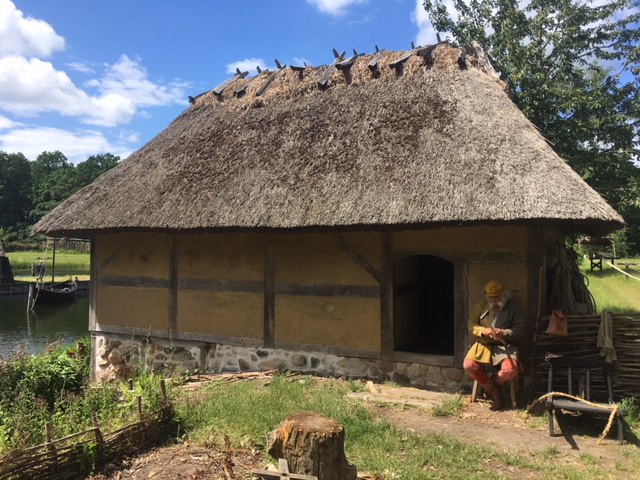
The Medieval Peasant House
The excavations have exposed a very interesting series of building techniques and revealed that the medieval peasant houses at Wharram Percy were rebuilt about every generation suggesting that they were very flimsy structures.
