Edited and translated by Chiara Bariviera, Pamela O. Long and William L. North
Italica Press
ISBN: 978-1-59910-453-9
In 1530, the River Tiber burst its banks, triggering a major flood in Rome. The following year, a scholar named Luis Gómez wrote about the disaster—placing it alongside earlier floods recorded in the city’s history.
Excerpt:
For the modern scholar, Gómez’s treatise offers a similarly rich array of information and insights. It provides an eyewitness account of a major environmental disaster affecting one of the most developed urban landscapes in Europe and shows how contemporaries analyzed the causes and consequences of natural disasters. It also offers a rich and varied example of how contemporary scholars could mobilize their written sources; exercise skills in reading and historical interpretation honed by their studies in law, medicine, and the classics; and use the past to make sense of and critique their present and reimagine the future.
Who is this book for?
This text and translation of Gómez’s account—alongside a few other sources on the 1530 flood—is an important witness to how people in the medieval and early modern worlds understood catastrophe. It is also revealing for what it shows about historical knowledge: Gómez lists 22 earlier floods in Rome, reaching back to antiquity. Readers interested in Rome’s history, or in environmental history more broadly, will find it rewarding.
The Translators
Chiara Bariviera is a Senior Structural Engineer at Eckersley O’Callaghan. Pamela O. Long is an independent historian of late medieval and Early Modern periods. William L. North is a Professor and Program Director of Medieval and Renaissance Studies at Carleton College.
Click here to read some related translations by Chiara Bariviera and Pamela O. Long

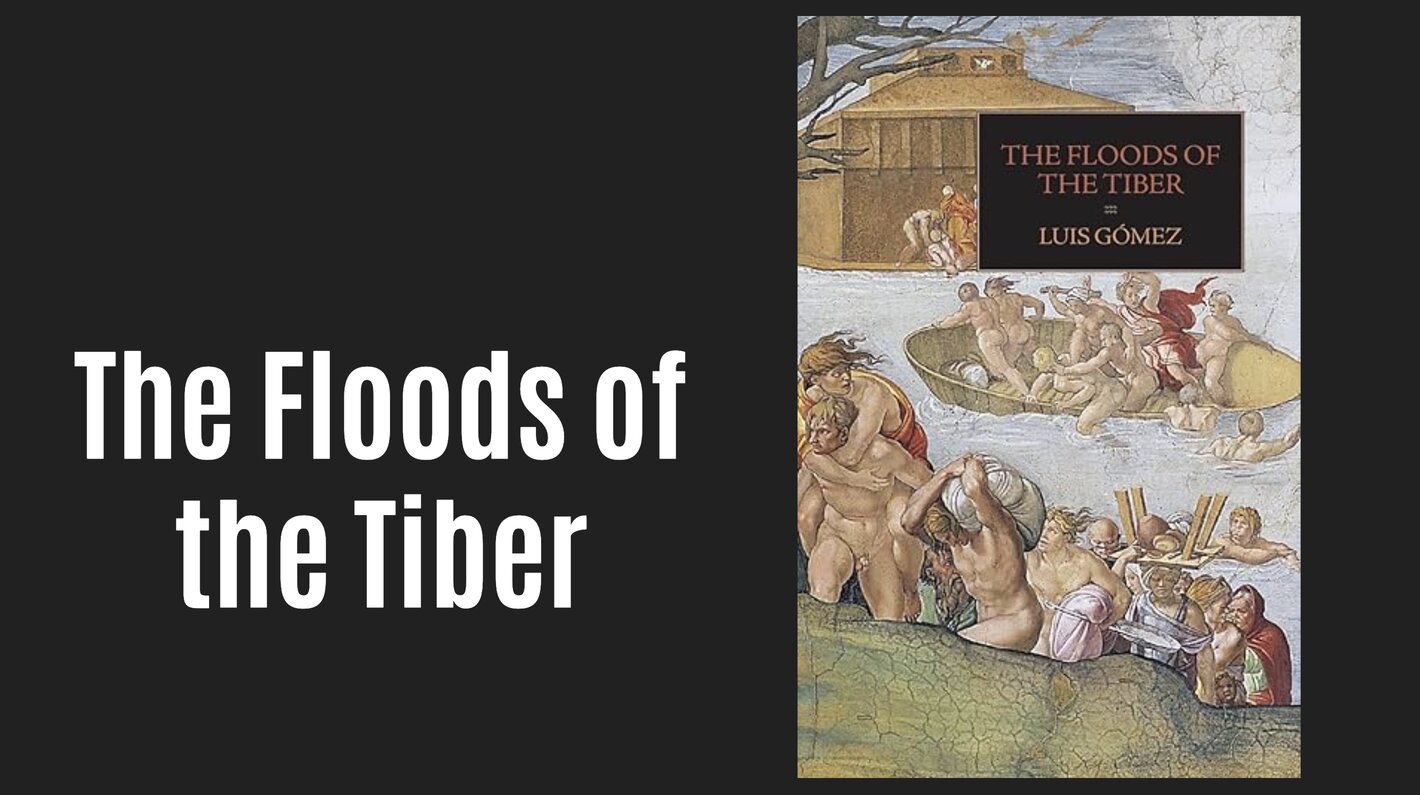
The Floods of the Tiber
By Luis Gómez
Edited and translated by Chiara Bariviera, Pamela O. Long and William L. North
Italica Press
ISBN: 978-1-59910-453-9
In 1530, the River Tiber burst its banks, triggering a major flood in Rome. The following year, a scholar named Luis Gómez wrote about the disaster—placing it alongside earlier floods recorded in the city’s history.
Excerpt:
For the modern scholar, Gómez’s treatise offers a similarly rich array of information and insights. It provides an eyewitness account of a major environmental disaster affecting one of the most developed urban landscapes in Europe and shows how contemporaries analyzed the causes and consequences of natural disasters. It also offers a rich and varied example of how contemporary scholars could mobilize their written sources; exercise skills in reading and historical interpretation honed by their studies in law, medicine, and the classics; and use the past to make sense of and critique their present and reimagine the future.
Who is this book for?
This text and translation of Gómez’s account—alongside a few other sources on the 1530 flood—is an important witness to how people in the medieval and early modern worlds understood catastrophe. It is also revealing for what it shows about historical knowledge: Gómez lists 22 earlier floods in Rome, reaching back to antiquity. Readers interested in Rome’s history, or in environmental history more broadly, will find it rewarding.
The Translators
Chiara Bariviera is a Senior Structural Engineer at Eckersley O’Callaghan. Pamela O. Long is an independent historian of late medieval and Early Modern periods. William L. North is a Professor and Program Director of Medieval and Renaissance Studies at Carleton College.
Click here to read some related translations by Chiara Bariviera and Pamela O. Long
You can learn more about this book from the publisher’s website.
You can buy this book on Amazon.com | Amazon.ca | Amazon.co.uk
Subscribe to Medievalverse
Related Posts