
Scientists discover secrets of medieval beers
The DNA analysis of these yeasts showed how these specific hybrids originated in medieval Germany and later spread across different European breweries as the pilsner beers grew more popular.

The Forgotten Battle of Bevershoutsveld, May 3, 1382: Technological Innovation and Military Significance
It may have been at Bevershoutsveld where gunpowder weapons first decided the outcome of a battle.

How the borders of the Low Countries changed in the Middle Ages
The lands of the Low Countries – today’s Belgium andThe Netherlands – would change both politically and physically during the Middle Ages. Here are six videos to explain how.

16th century ship discovered off the coast of The Netherlands
Researchers have found a shipwreck off the coast of the Netherlands from the early 16th century – the oldest find of a seafaring ship in Dutch waters ever.

The ‘Van Boschuysen Affair’ in Leyden: Conflicts between Elite Networks in Late Medieval Holland
The 1480s were a turbulent age in the city of Leyden in the county of Holland.

The town, the duke, his courtiers and their tournament: A spectacle in Brussels, 4-7 May 1439
From 4 to 7 May 1439 a massive tournament (235 participants) was organized at the Grote Markt in Brussels, in which the Burgundian duke Philip the Good himself participated.
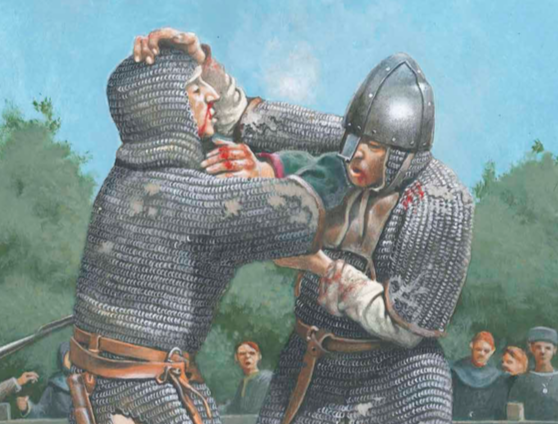
A Murder, a Siege, and Too Many Successors: How Flanders descended into Civil War in 1127
Read the Introduction to Medieval Warfare magazine’s Issue VII:5 – The murder of Charles the Good.
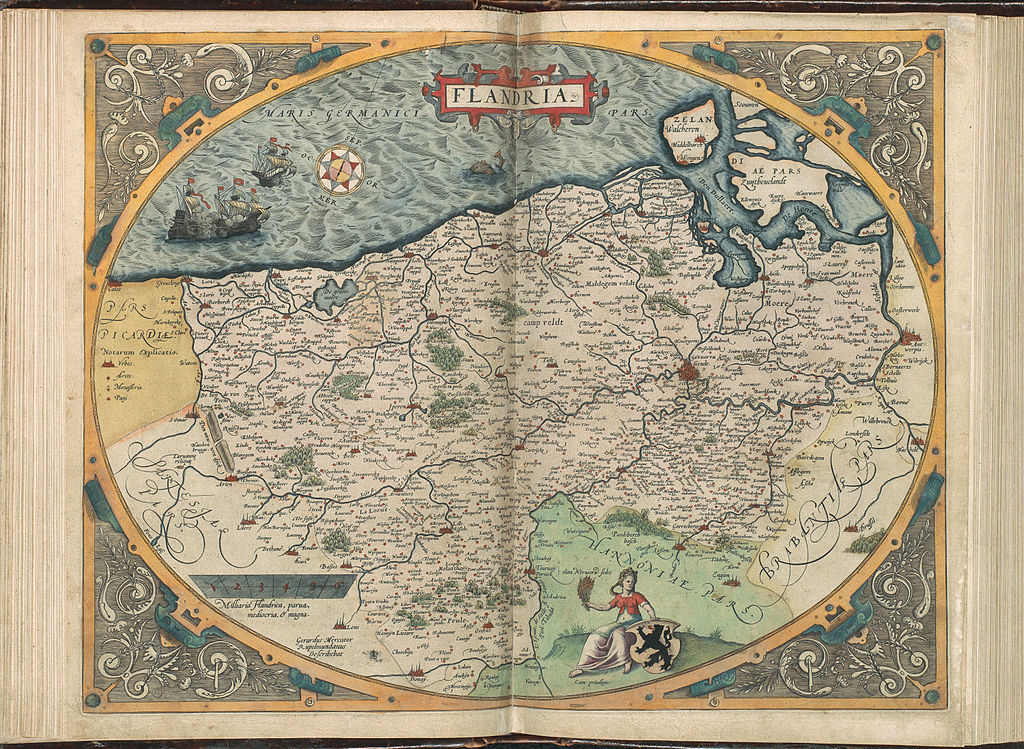
“Flanders was empty and uncultivated and heavily wooded”: Historiography as Urban Resource in the Twelfth Century
This sentence tells us little about the actual beginnings of the county of Flanders but it does tell us something about the way Lambert imagined the beginnings of the county in the first part of the twelfth century.
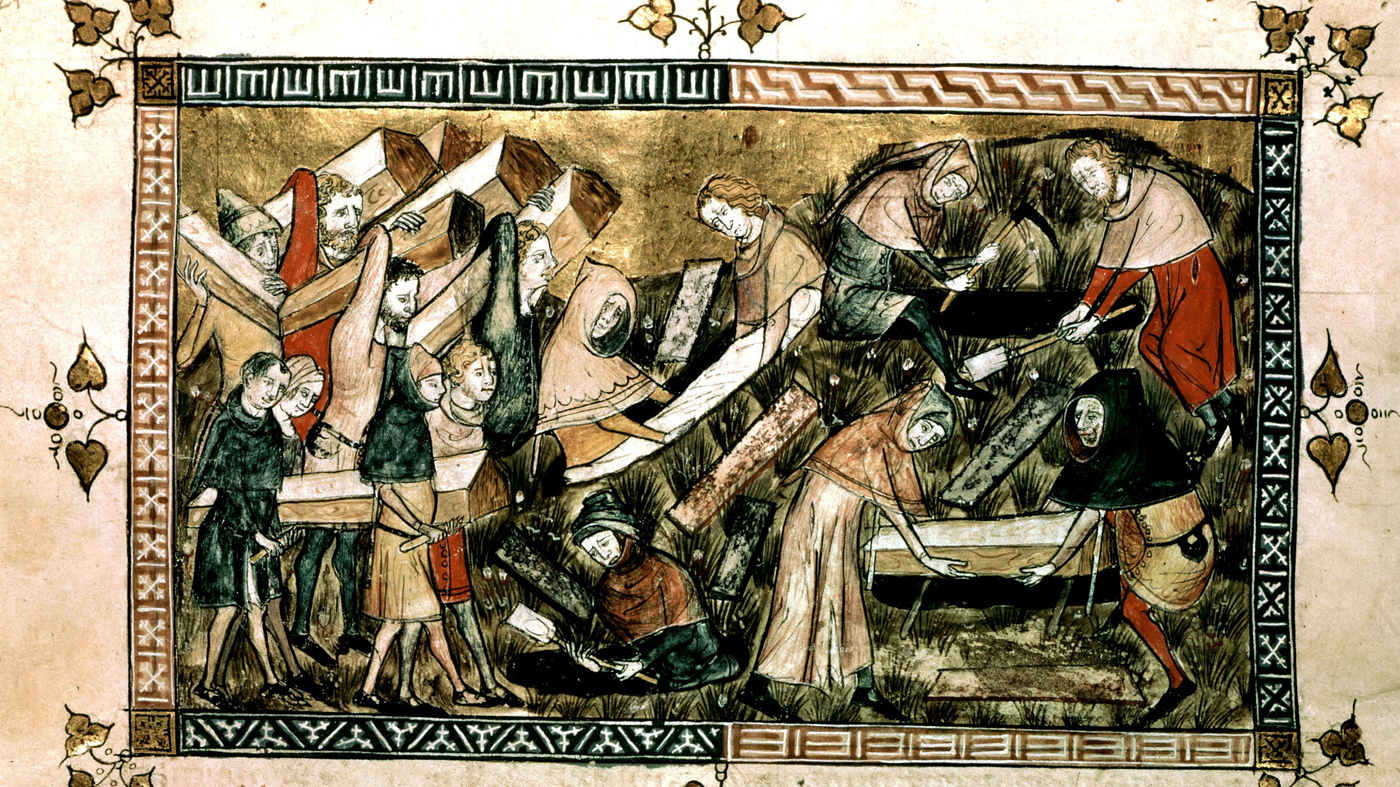
Severity and Selectivity of the Black Death and Recurring Plague in the Southern Netherlands (1349-1450)
This paper offers a newly-compiled database of 25,610 individuals that died between 1349-1450 in the County of Hainaut to test a number of assumptions on the selectivity and severity of late medieval plague outbreaks.
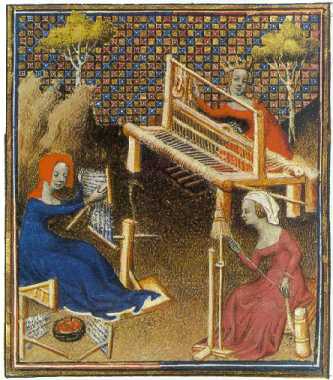
Textile entrepreneurs and textile workers in the medieval city
What made the southern Low Countries in the Middle Ages unique in a European perspective was the weight of the region as an export-oriented industrial area.

The ‘joyous entry’ of Archduke Maximilian into Antwerp (13 January 1478): an analysis of a ‘most elegant and dignified’ dialogue
An in-depth analysis of a contemporary account of Maximilian’s joyous entry into Antwerp (13 January 1478) adds a new perspective to historiography by showing how the public urban spaces functioned as complex social products.
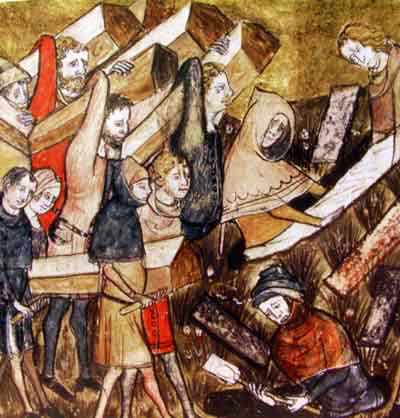
The ‘light touch’ of the Black Death in the Southern Netherlands: an urban trick?
In this article an array of dispersed sources for the Southern Netherlands together with a new mortmain accounts database for Hainaut show that the Black Death was severe, perhaps no less severe than other parts of western Europe.

The sex-selective impact of the Black Death and recurring plagues in the Southern Netherlands, 1349-1450
We present a newly compiled database of mortality information taken from mortmain records in Hainaut, Belgium, in the period 1349-1450, which not only is an important new source of information on medieval mortality, but also allows for sex-disaggregation.
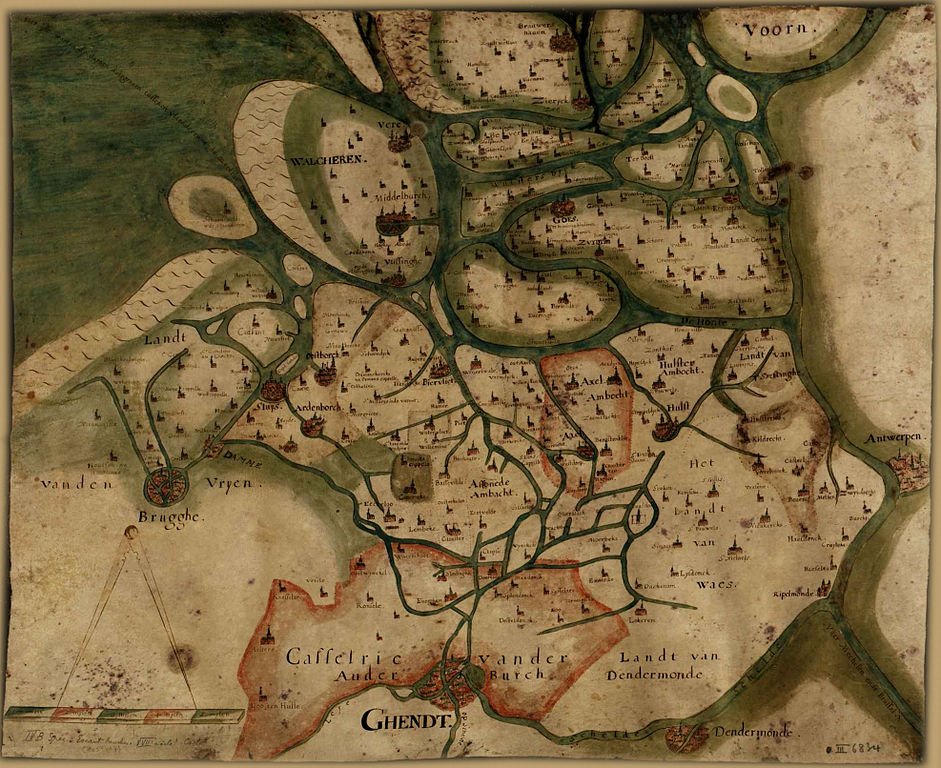
The knighthood in and around late medieval Brussels
This case study contributes to ongoing debates on the position and status of late medieval knighthood.
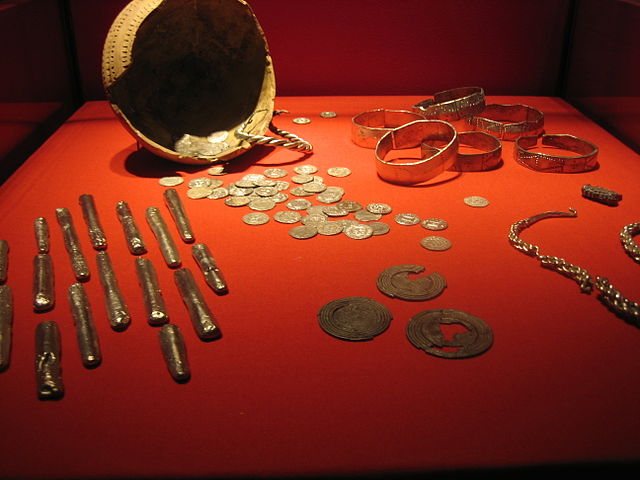
Friends, Vassals or Foes: Relations and their representations between Frisians and Scandinavians in the Viking Age
‘We paid a visit to the lads of Frisia. And we it was who split the spoils of battle among us.’ – So reads the runic inscription on a silver Viking Age neck-ring found in Senja, Troms County in northern Norway, which is dated to c. 1025.
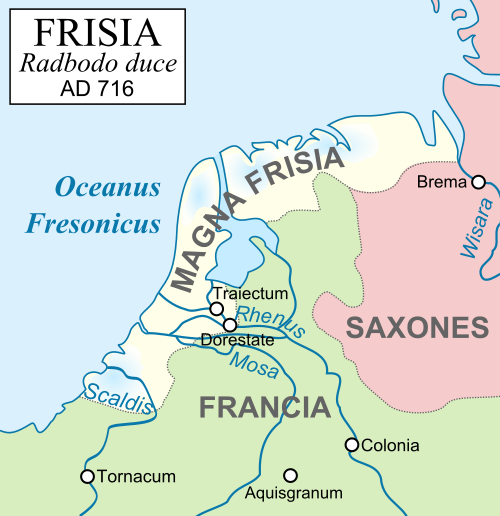
Rodulf and Ubba: In Search of a Frisian–Danish Viking
This article attempts to reconstruct some of Rodulf’s life and deeds.

The Duel between Guy of Steenvoorde and Iron Herman
…both fought bitterly. But Guy knocked his adversary from his horse and kept him down easily with his lance as he was struggling to get up. Then his opponent, running nearer, ran Guy’s horse through with his sword, disemboweling it.
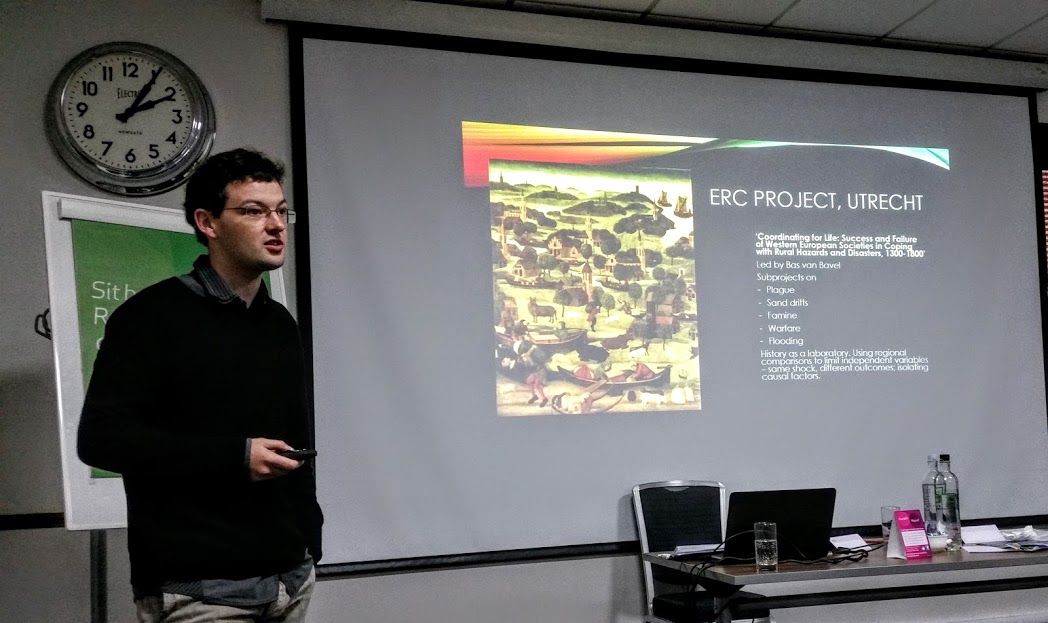
The Struggle is Real: Where are the Medieval Economists?!
Another fascinating paper from “Making the Medieval Relevant” was given by Daniel Curtis, a specialist in Social and Economic History, and a professor at the University of Utrecht.

Video shows the reconstruction of an Early Medieval Turf House
This time-lapse video shows the reconstruction of an early medieval turf house in the northern Dutch town of Firdgum.

Old Companions, Noble Steeds: Why dogs and horses were buried at an Early Medieval settlement along the Old Rhine
Excavations at the Early Medieval site of Oegstgeest, located in the Dutch Rhine estuary, have yielded the burials of three horses and three dogs

Honour, community and hierarchy in the feasts of the archery and crossbow guilds of Bruges, 1445–81
Archery and crossbow guilds first appeared in the fourteenth century in response to the needs of town defence and princely calls for troops. By the fifteenth century these guilds existed across northern Europe.
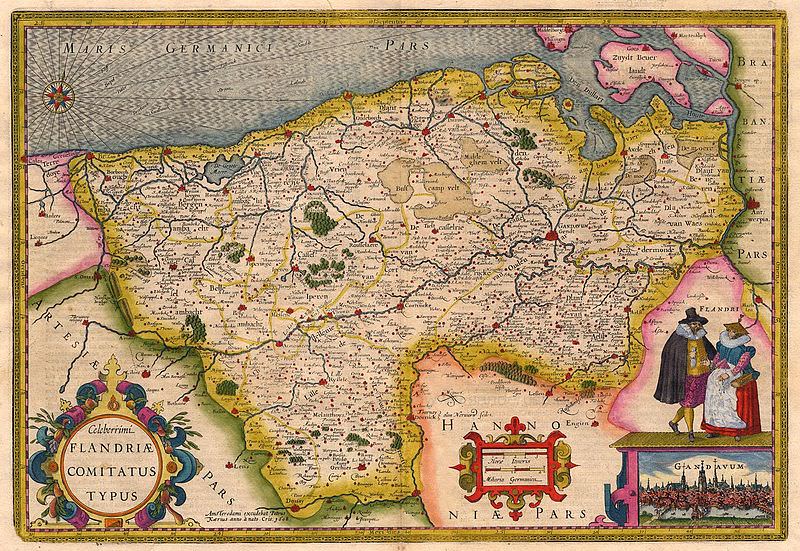
Public Space, Urban Identity and Conflict in Medieval Flanders
Ideas of public space can say a lot about the societies that create them. A clear example of this was its use in Flanders during the medieval period. People within Flanders found themselves in a unique situation having one of the highest amounts of urban densities in Europe. This allowed for a distinct urban identity emerge.

A Medievalist at Amsterdam’s Rijksmuseum
Danielle Trynoski reviews the permanent exhibition at Rijksmuseum in Amsterdam
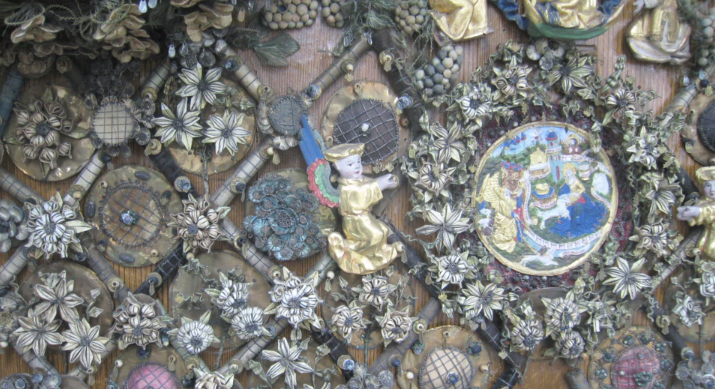
Late Medieval Enclosed Gardens of the Low Countries
In the late Middle Ages and Early Modernity an artistic phenomenon emerged in a feminine religious context, particularly in the Low Countries and the Rhineland: the so-called Enclosed Gardens.
