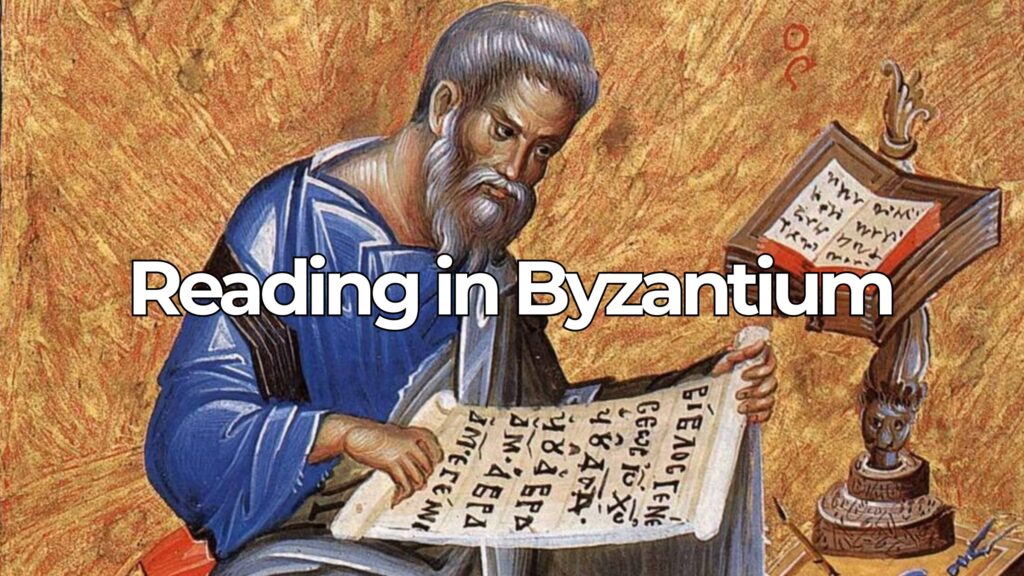
Reading in Byzantium: Literacy, Books, and a World of Texts
In Byzantium, reading wasn’t just private study—it was performed aloud in churches and monasteries, woven into government, and preserved in precious manuscripts. Zoe Tsiami explores who could read, what they read, and how texts shaped everyday life.
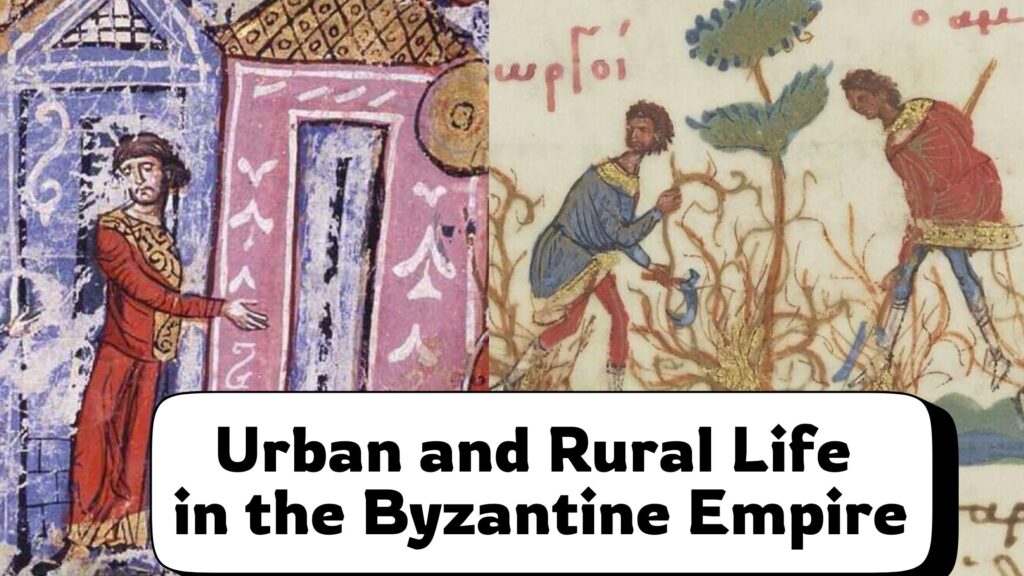
Urban and Rural Life in the Byzantine Empire
Explore how life in the Byzantine Empire differed between cities like Constantinople and the countryside, from social hierarchies and work to festivals, religion, and economic interdependence.
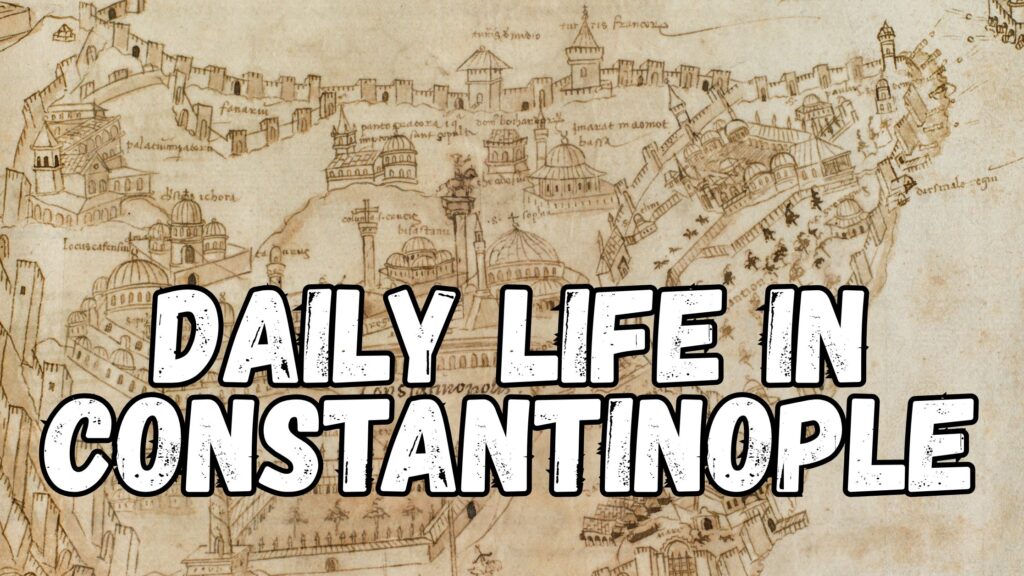
Daily Life in Constantinople: Inside the Heart of the Byzantine World
Explore daily life in medieval Constantinople, from neighbourhoods and housing to markets, guilds, religion, chariot races, and the dangers of fire, plague, and shortages in the Byzantine capital.
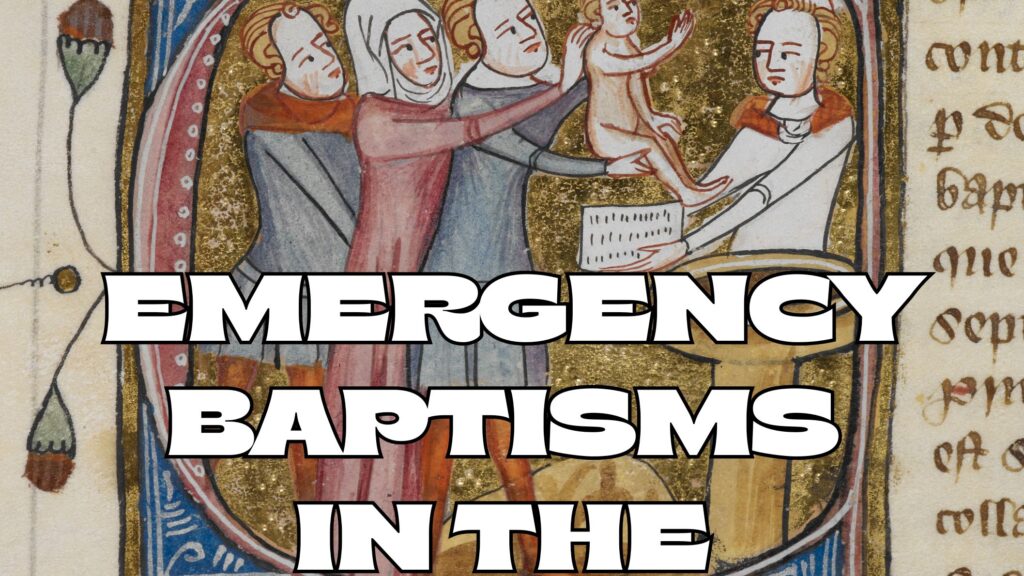
Who Could Baptize? Clerical Authority and Emergency Baptisms in the Middle Ages
During the Middle Ages, baptism was essential for salvation—but who could perform it? This article explores how the medieval Church balanced clerical authority with the necessity of emergency baptisms by lay people and midwives.
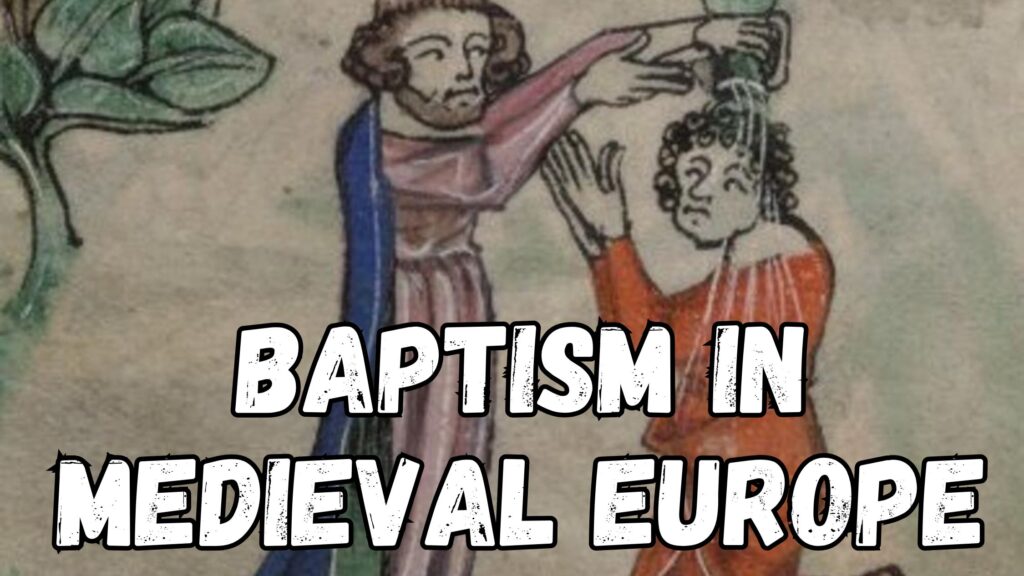
Baptism and Belonging: How Identity Was Shaped in Medieval Europe
Explore how baptism shaped faith, identity, and belonging in medieval Europe, influencing community ties, godparents, and views on the unbaptized.
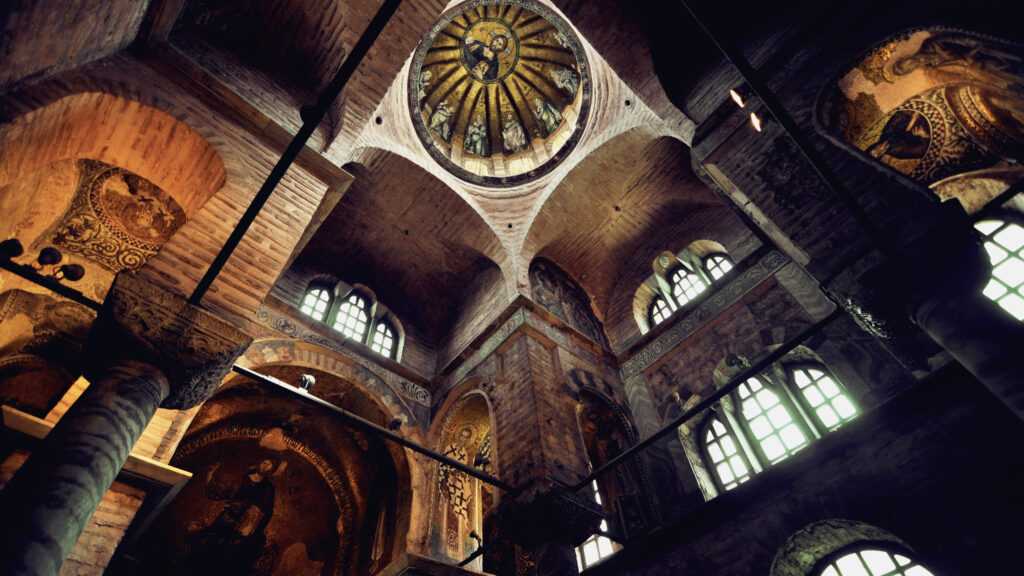
Lost in Translation: What the West Misunderstands About Byzantium
By Zoe Tsiami Byzantium often feels like a forgotten chapter in history, drifting between the grandeur of Rome and the vibrant Renaissance. For…